Frankfurt to Osaka is 5,755 miles (9,262 km), a flight of about 12 hours.
While the left side has a decent Frankfurt departure view, the right side wins overall. It captures the Siberian taiga and river systems during the long overland cruise, and delivers the spectacular Osaka Bay and city approach on arrival — the more visually rewarding of the two airport sequences.
Flight Path
The route tracks northeast over Poland and the Baltic states, then across Russia including the Ural Mountains (a low, broad ridge visible as a change in terrain texture), the vast West Siberian Plain with its braided river systems (Ob and Irtysh rivers), Lake Baikal visible as a long dark sliver in southern Siberia, then south over Mongolia and northeastern China before crossing the Korean Peninsula and the Sea of Japan into the Kansai region.
Great circle distance and headings ›Phase by phase
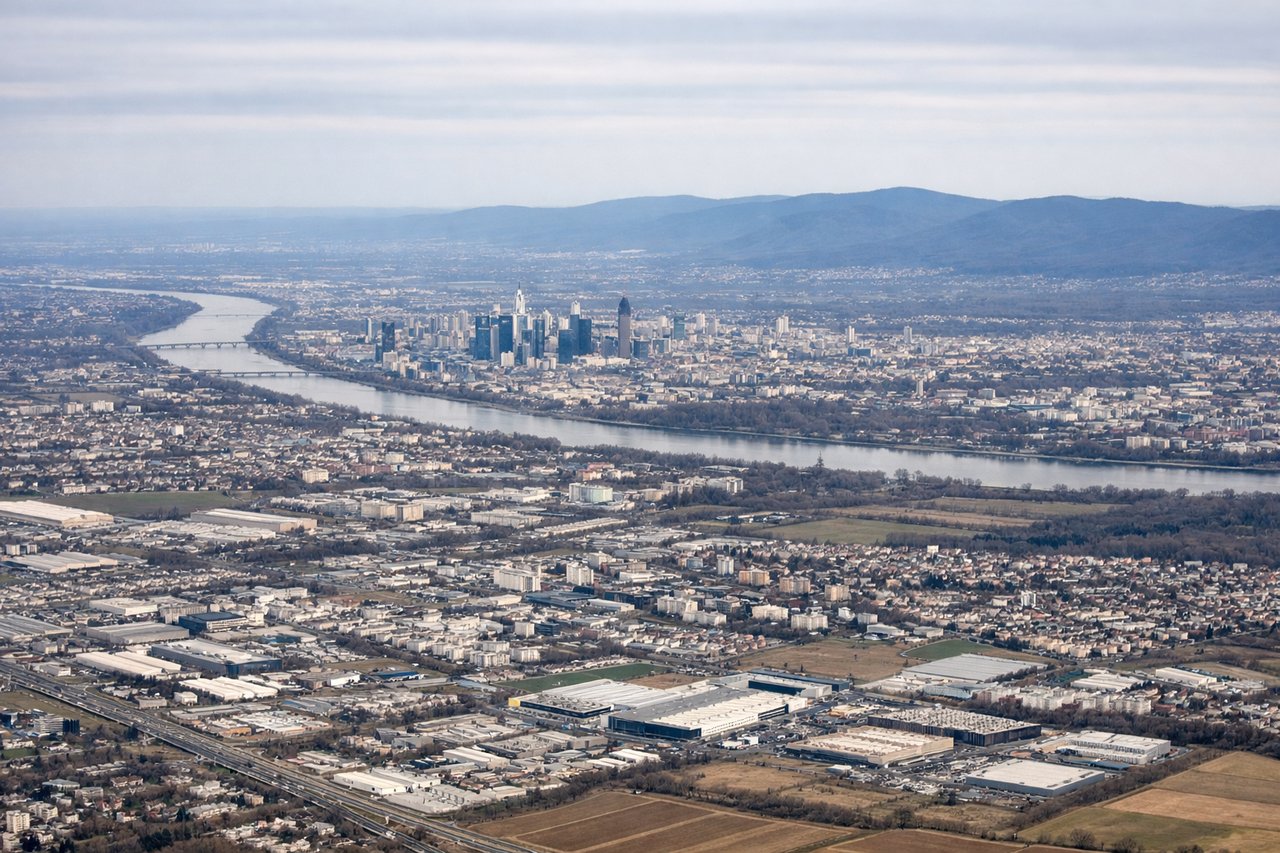
Takeoff from FRA
LEFTFrankfurt typically departs eastbound on runway 07L/07R, meaning a left-side seat faces north toward the Main River valley and the Taunus hills. You get a clear view back over central Frankfurt's skyline as the aircraft climbs and banks right toward its eastbound heading.
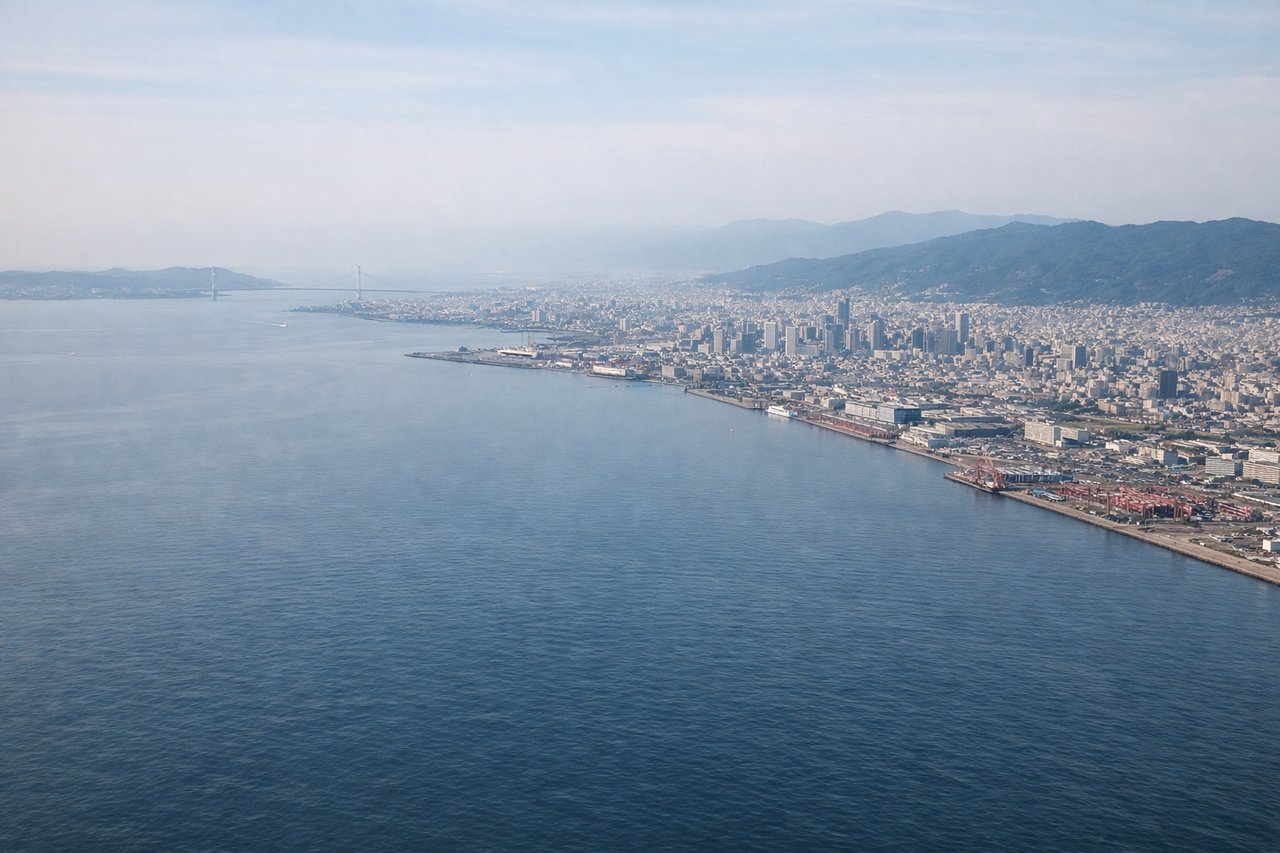
Landing at KIX
RIGHTKansai International sits on an artificial island in Osaka Bay, and aircraft typically approach from the east or northeast on runway 06L/06R. A right-side seat gives you the Osaka urban area, Osaka Bay, and the Kii Peninsula coastline as you descend over the water toward the island airport.
Will your flight be in sunlight?
Pick a date and time in the Sun Map to watch the sun move across your whole flight.
About This Route
Which side of the plane should I sit on flying from Frankfurt Main (FRA) to Kansai International (KIX)?
Sit on the Right side of the plane for the best views on flights from Frankfurt to Osaka. While the left side has a decent Frankfurt departure view, the right side wins overall. It captures the Siberian taiga and river systems during the long overland cruise, and delivers the spectacular Osaka Bay and city approach on arrival — the more visually rewarding of the two airport sequences.
What can I see during takeoff from Frankfurt Main in Frankfurt?
During takeoff from Frankfurt Main (FRA), sit on the Left side for the best views. Frankfurt typically departs eastbound on runway 07L/07R, meaning a left-side seat faces north toward the Main River valley and the Taunus hills. You get a clear view back over central Frankfurt's skyline as the aircraft climbs and banks right toward its eastbound heading. Notable sights include: Frankfurt city skyline (Bankenviertel towers), Main River bends, Taunus hills to the north, Rhine-Main flatlands.
What can I see when landing at Kansai International in Osaka?
When landing at Kansai International (KIX), sit on the Right side for the best views. Kansai International sits on an artificial island in Osaka Bay, and aircraft typically approach from the east or northeast on runway 06L/06R. A right-side seat gives you the Osaka urban area, Osaka Bay, and the Kii Peninsula coastline as you descend over the water toward the island airport. Notable sights include: Osaka Bay and city waterfront, Osaka urban grid, Awaji Island in the Seto Inland Sea, Kansai International Airport artificial island.
How long is the flight from Frankfurt to Osaka?
The flight from Frankfurt Main (FRA) to Kansai International (KIX) takes about 12 hours. The shortest flight path between them is 5,755 miles (9,262 km); winds and air traffic control usually add a few percent.
What does the Frankfurt to Osaka flight path pass over?
The route tracks northeast over Poland and the Baltic states, then across Russia including the Ural Mountains (a low, broad ridge visible as a change in terrain texture), the vast West Siberian Plain with its braided river systems (Ob and Irtysh rivers), Lake Baikal visible as a long dark sliver in southern Siberia, then south over Mongolia and northeastern China before crossing the Korean Peninsula and the Sea of Japan into the Kansai region.