Right-side seats capture the more dramatic geography: Fukuoka's coastal departure over Hakata Bay and the Genkai Sea, plus during the cruise phase over the Korea Strait, right seats face the Tsushima Island chain and Korean peninsula approach. Left seats see mostly open water during cruise.
Flight Path
Korea Strait (primary crossing zone), Tsushima Island (Japanese territory, visible as mountainous landmass if flying southern route), Jeju Island (Korean territory, visible if flying southern route—distinctive volcanic island), open water of the strait itself with occasional fishing vessel traffic
Great circle distance and headings ›Phase by phase
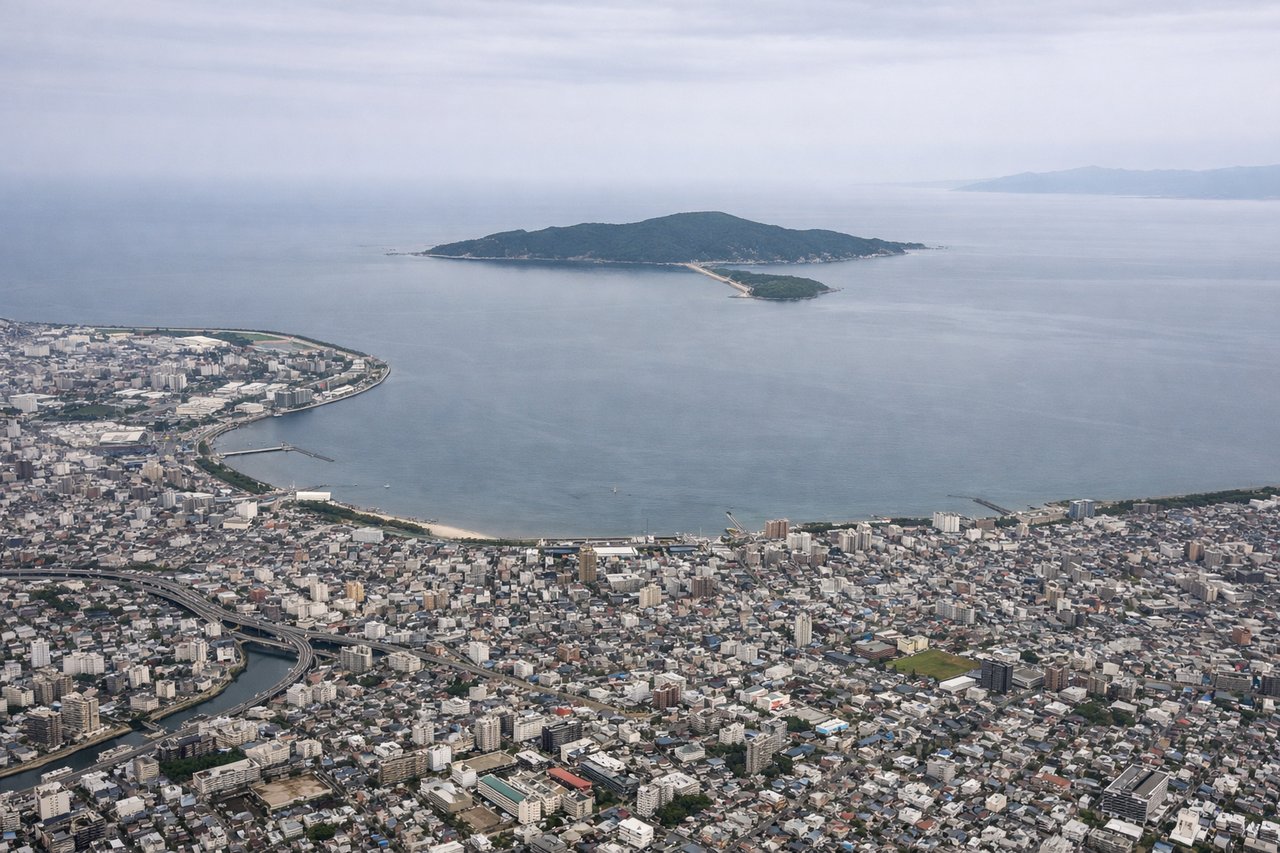
Takeoff from FUK
RIGHTFUK typically departs eastbound (Runway 16L/R). Right-side seats face north toward Hakata Bay and the Fukuoka urban area during initial climb, offering clear views of the city grid and coastal geography before turning toward Korea.
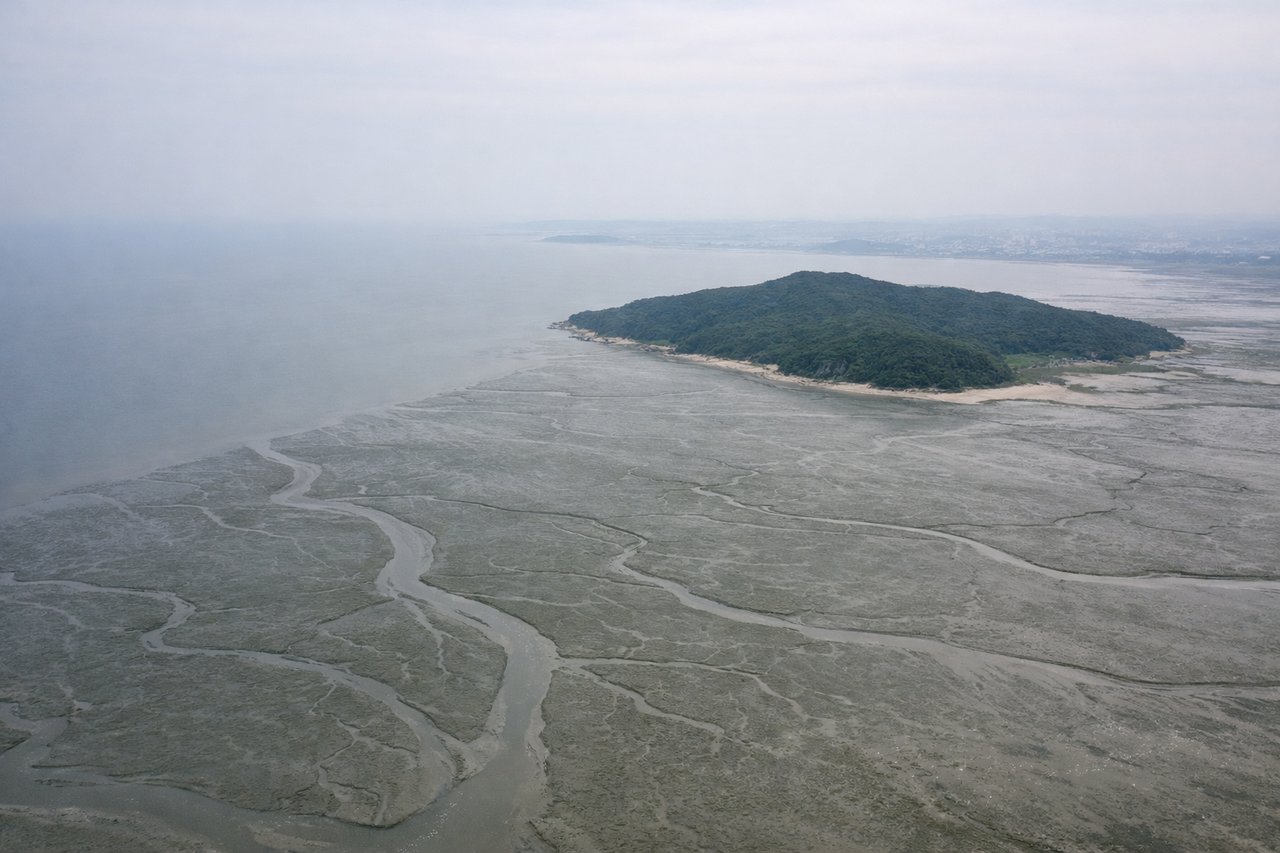
Landing at ICN
LEFTICN typically lands westbound (Runway 33L/R). Left-side seats during approach face south and southwest, providing views of the Yellow Sea, Incheon's island geography, and the reclaimed land areas that define the airport's location.
Will your flight be in sunlight?
See exactly which side of the plane gets sun and shade at your departure time.
About This Route
Which side of the plane should I sit on flying from Fukuoka (FUK) to Incheon International (ICN)?
Sit on the Right side of the plane for the best views on flights from Fukuoka to Seoul. Right-side seats capture the more dramatic geography: Fukuoka's coastal departure over Hakata Bay and the Genkai Sea, plus during the cruise phase over the Korea Strait, right seats face the Tsushima Island chain and Korean peninsula approach. Left seats see mostly open water during cruise.
What can I see during takeoff from Fukuoka in Fukuoka?
During takeoff from Fukuoka (FUK), sit on the Right side for the best views. FUK typically departs eastbound (Runway 16L/R). Right-side seats face north toward Hakata Bay and the Fukuoka urban area during initial climb, offering clear views of the city grid and coastal geography before turning toward Korea. Notable sights include: Hakata Bay (immediate offshore water), Fukuoka city sprawl (Chuo and Hakata wards), Shikano Island (small island in bay), Genkai Sea extending northward.
What can I see when landing at Incheon International in Seoul?
When landing at Incheon International (ICN), sit on the Left side for the best views. ICN typically lands westbound (Runway 33L/R). Left-side seats during approach face south and southwest, providing views of the Yellow Sea, Incheon's island geography, and the reclaimed land areas that define the airport's location. Notable sights include: Yellow Sea (primary water feature), Incheon's reclaimed islands and causeway system, Songdo International Business District (geometric development), Gyeonggi Bay.
How long is the flight from Fukuoka to Seoul?
The flight from Fukuoka (FUK) to Incheon International (ICN) takes Approximately 1 hour 15 minutes.
What does the Fukuoka to Seoul flight path pass over?
Korea Strait (primary crossing zone), Tsushima Island (Japanese territory, visible as mountainous landmass if flying southern route), Jeju Island (Korean territory, visible if flying southern route—distinctive volcanic island), open water of the strait itself with occasional fishing vessel traffic