Right-side seats provide superior scenery at both ends: the dramatic Phang Nga Bay karsts during takeoff are more visually striking than Perth's urban approach, and the right side captures the Indian Ocean crossing's open water views. While Perth's landing offers city views, the takeoff experience tips the overall advantage to the right.
Flight Path
The flight path crosses the Andaman Sea, then the Bay of Bengal, then the Indian Ocean. Notable features include the Strait of Malacca (visible as a narrow water passage between Sumatra and Malaysia if flying that route), the Nicobar Islands and Andaman Islands as small landmasses in the eastern Indian Ocean, and the open ocean for the majority of the crossing. No major landmasses are visible during the 3,000+ mile oceanic portion of the flight. The approach to Perth crosses the continental shelf and coastal waters of Western Australia before reaching land.
Great circle distance and headings ›

Phase by phase
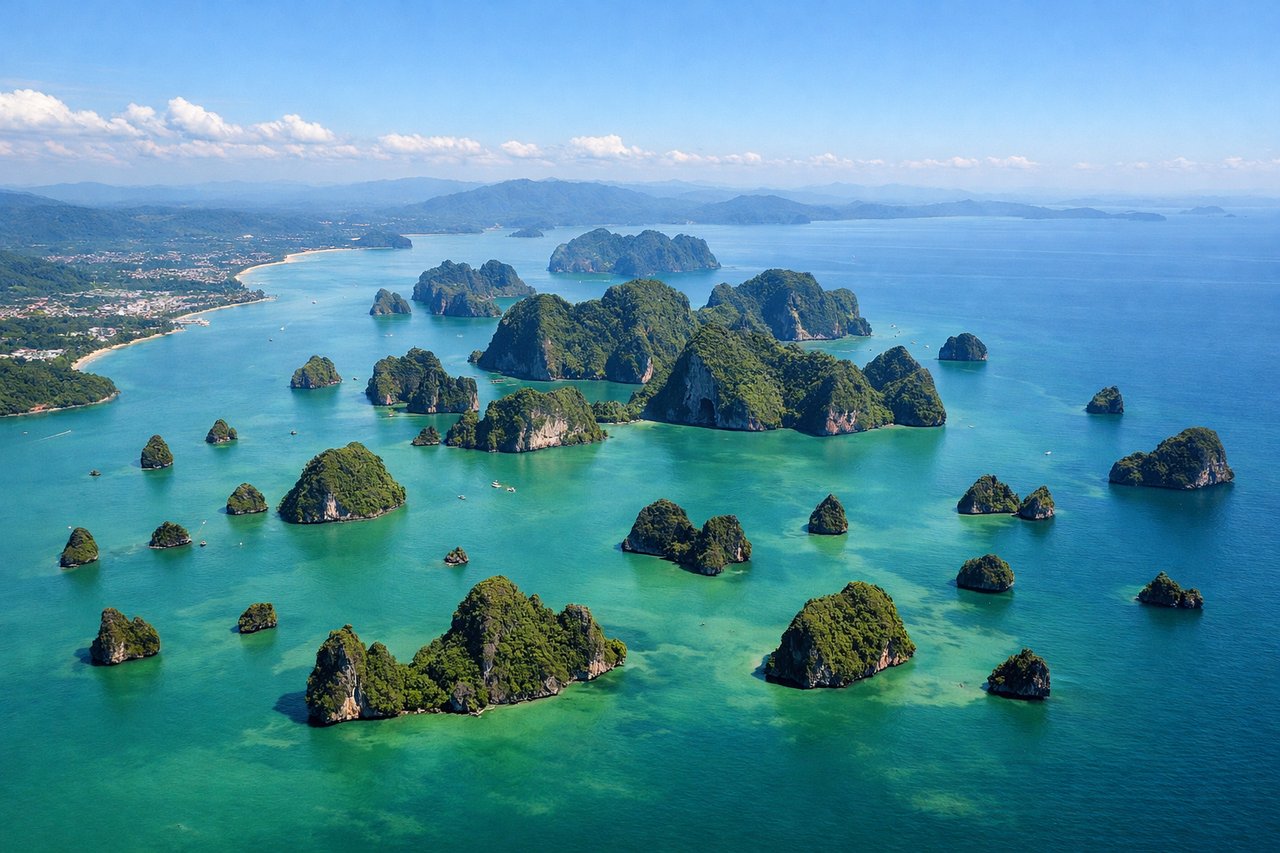
Takeoff from HKT
RIGHTRight-side seats capture the Andaman Sea and Phang Nga Bay's limestone karsts during the initial climb-out. The aircraft departs eastward over water before turning south, giving right-side passengers an extended view of Thailand's dramatic coastal topography.
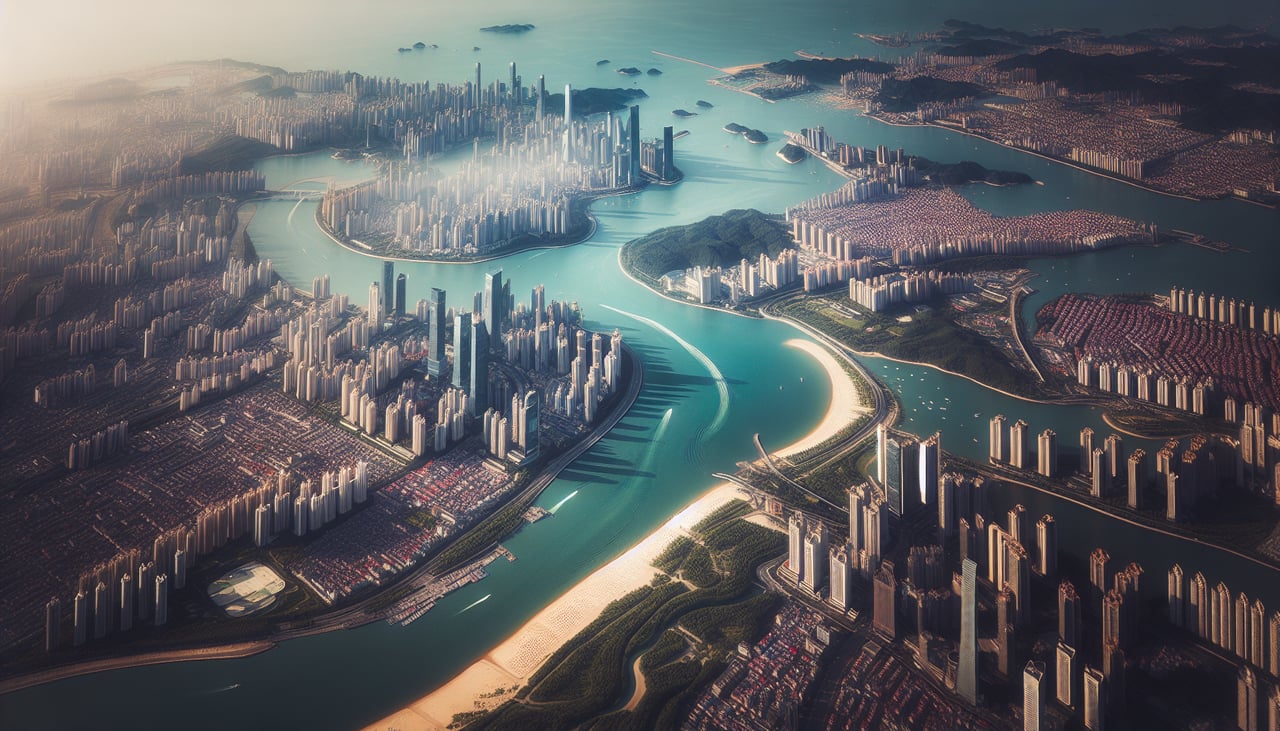
Landing at PER
LEFTLeft-side seats offer views of the Swan River estuary, Perth's city center, and the Darling Range during descent. The aircraft approaches from the northwest over the Indian Ocean, then turns inland; left-side passengers see the urban landscape and surrounding geography as the plane descends toward Runway 03.
Landmarks on this routeAll landmarks →
Will your flight be in sunlight?
See exactly which side of the plane gets sun and shade at your departure time.
About This Route
Which side of the plane should I sit on flying from Phuket International (HKT) to Perth International (PER)?
Sit on the Right side of the plane for the best views on flights from Phuket to Perth. Right-side seats provide superior scenery at both ends: the dramatic Phang Nga Bay karsts during takeoff are more visually striking than Perth's urban approach, and the right side captures the Indian Ocean crossing's open water views. While Perth's landing offers city views, the takeoff experience tips the overall advantage to the right.
What can I see during takeoff from Phuket International in Phuket?
During takeoff from Phuket International (HKT), sit on the Right side for the best views. Right-side seats capture the Andaman Sea and Phang Nga Bay's limestone karsts during the initial climb-out. The aircraft departs eastward over water before turning south, giving right-side passengers an extended view of Thailand's dramatic coastal topography. Notable sights include: Phang Nga Bay limestone formations, Andaman Sea, Phuket Island's eastern coastline, Phang Nga Province mangrove inlets.
What can I see when landing at Perth International in Perth?
When landing at Perth International (PER), sit on the Left side for the best views. Left-side seats offer views of the Swan River estuary, Perth's city center, and the Darling Range during descent. The aircraft approaches from the northwest over the Indian Ocean, then turns inland; left-side passengers see the urban landscape and surrounding geography as the plane descends toward Runway 03. Notable sights include: Swan River estuary, Perth city center skyline, Darling Range escarpment, Kings Park and surrounding suburbs.
How long is the flight from Phuket to Perth?
The flight from Phuket International (HKT) to Perth International (PER) takes Approximately 5 hours 15 minutes.
What does the Phuket to Perth flight path pass over?
The flight path crosses the Andaman Sea, then the Bay of Bengal, then the Indian Ocean. Notable features include the Strait of Malacca (visible as a narrow water passage between Sumatra and Malaysia if flying that route), the Nicobar Islands and Andaman Islands as small landmasses in the eastern Indian Ocean, and the open ocean for the majority of the crossing. No major landmasses are visible during the 3,000+ mile oceanic portion of the flight. The approach to Perth crosses the continental shelf and coastal waters of Western Australia before reaching land.