The left side wins across all three phases: a Mount Fuji glimpse at takeoff, the volcanic spine of the Kuril Islands and Kamchatka Peninsula during cruise, and the Alaska Range/Mount Susitna on arrival into Anchorage. The right side spends most of the flight over featureless North Pacific and Bering Sea water with comparatively little landmass to see.
Flown HND to ANC? Did we get it right?
Flight Path
Tokyo to Anchorage is 3,458 miles (5,565 km), a flight of about 7 hours 5 minutes.
Kuril Islands chain, Kamchatka Peninsula's volcanic cordillera (including Klyuchevskaya Sopka), the open Bering Sea, and the western Aleutian Islands as the route curves toward the Alaska Peninsula
Great circle distance and headings ›

Phase by phase
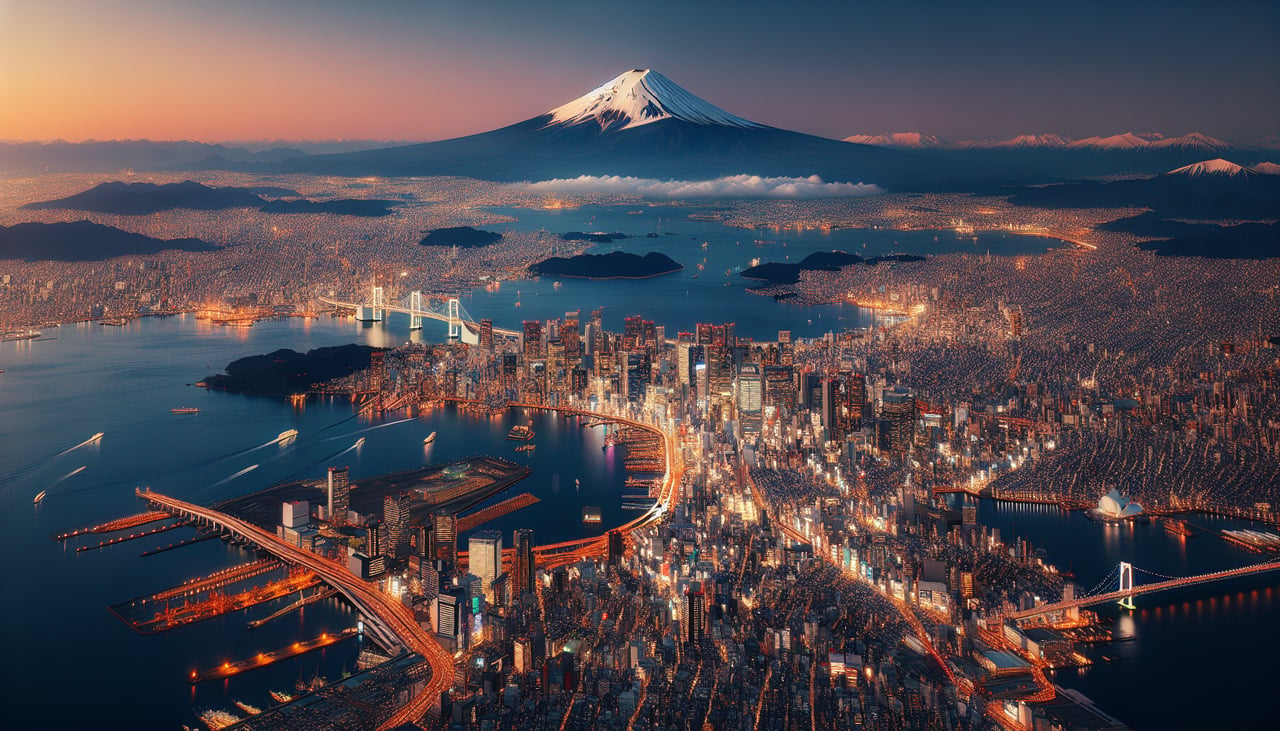
Takeoff from HND
LEFTDepartures from Haneda commonly climb out over Tokyo Bay before turning north, and on a clear day Mount Fuji's snow-capped summit is visible on the southwest horizon from left-side windows as the city recedes below. The right side mostly shows the flatter Chiba/Boso Peninsula shoreline with less drama.
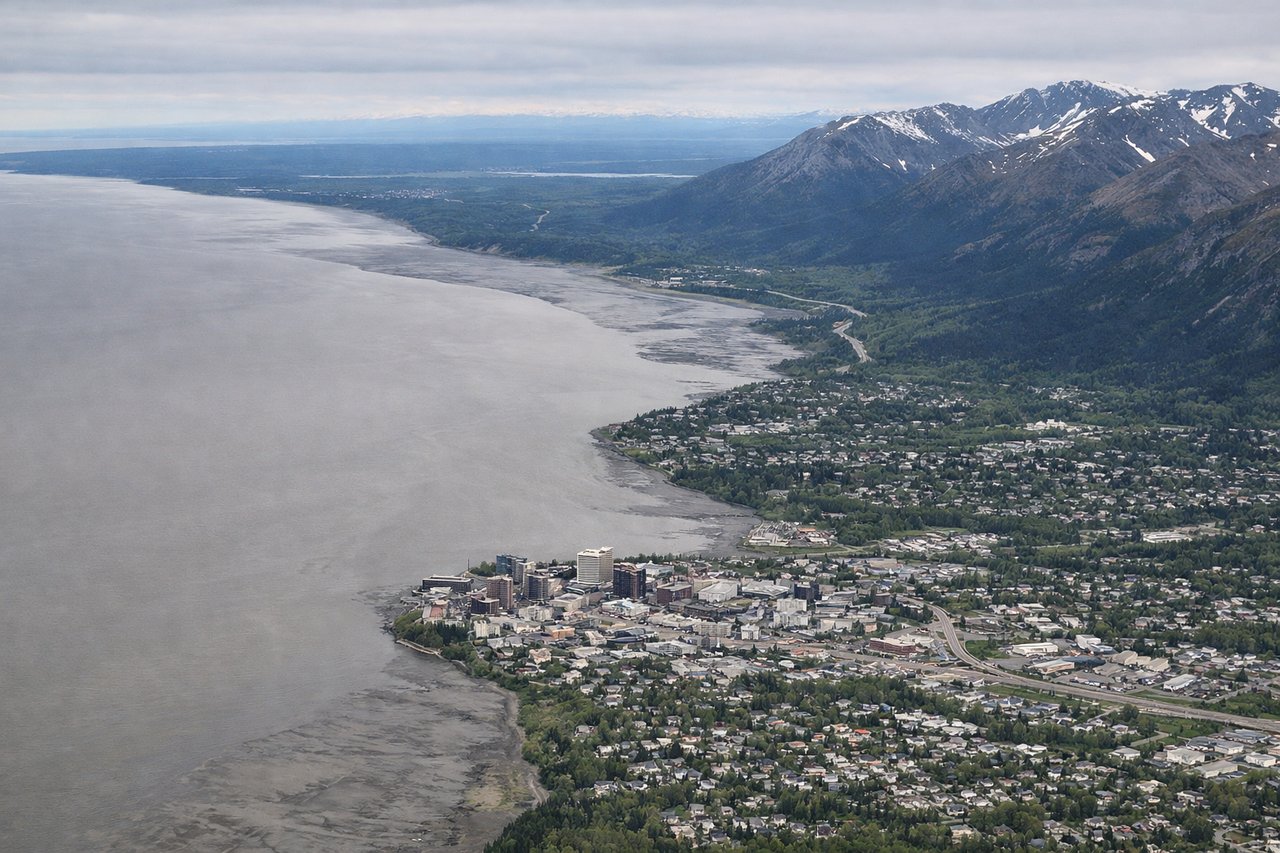
Landing at ANC
LEFTArrivals into Anchorage from Asia typically cross Cook Inlet before turning onto final approach heading east, putting the Alaska Range on the left side of the aircraft. Mount Susitna ('Sleeping Lady') dominates the middle distance and on exceptionally clear days Denali is visible far to the north, giving the left side a much stronger payoff than the right, which mostly faces the Chugach foothills close to the runway.
Will your flight be in sunlight?
Pick a date and time in the Sun Map to watch the sun move across your whole flight.
About This Route
Which side of the plane should I sit on flying from Tokyo International (HND) to Ted Stevens Anchorage International (ANC)?
Sit on the Left side of the plane for the best views on flights from Tokyo to Anchorage. The left side wins across all three phases: a Mount Fuji glimpse at takeoff, the volcanic spine of the Kuril Islands and Kamchatka Peninsula during cruise, and the Alaska Range/Mount Susitna on arrival into Anchorage. The right side spends most of the flight over featureless North Pacific and Bering Sea water with comparatively little landmass to see.
What can I see during takeoff from Tokyo International in Tokyo?
During takeoff from Tokyo International (HND), sit on the Left side for the best views. Departures from Haneda commonly climb out over Tokyo Bay before turning north, and on a clear day Mount Fuji's snow-capped summit is visible on the southwest horizon from left-side windows as the city recedes below. The right side mostly shows the flatter Chiba/Boso Peninsula shoreline with less drama. Notable sights include: Mount Fuji, Tokyo Bay, Tokyo skyline (Odaiba/Tokyo Tower area), Yokohama waterfront.
What can I see when landing at Ted Stevens Anchorage International in Anchorage?
When landing at Ted Stevens Anchorage International (ANC), sit on the Left side for the best views. Arrivals into Anchorage from Asia typically cross Cook Inlet before turning onto final approach heading east, putting the Alaska Range on the left side of the aircraft. Mount Susitna ('Sleeping Lady') dominates the middle distance and on exceptionally clear days Denali is visible far to the north, giving the left side a much stronger payoff than the right, which mostly faces the Chugach foothills close to the runway. Notable sights include: Mount Susitna (Sleeping Lady), Cook Inlet, Knik Arm, Alaska Range/Denali (distant, weather permitting).
How long is the flight from Tokyo to Anchorage?
The flight from Tokyo International (HND) to Ted Stevens Anchorage International (ANC) takes about 7 hours 5 minutes. The shortest flight path between them is 3,458 miles (5,565 km); winds and air traffic control usually add a few percent.
What does the Tokyo to Anchorage flight path pass over?
Kuril Islands chain, Kamchatka Peninsula's volcanic cordillera (including Klyuchevskaya Sopka), the open Bering Sea, and the western Aleutian Islands as the route curves toward the Alaska Peninsula