The left side offers a stronger combination of the Bosphorus and Istanbul skyline at departure plus the Oslofjord's forested shoreline at arrival, while the right side view is comparatively flat and featureless during both phases.
Flight Path
The route crosses the Balkan plains of Bulgaria and Serbia, the Hungarian plain, and central European terrain over Austria and Germany before reaching the Skagerrak strait and the Norwegian coastline near Oslofjord.
Great circle distance and headings ›Phase by phase
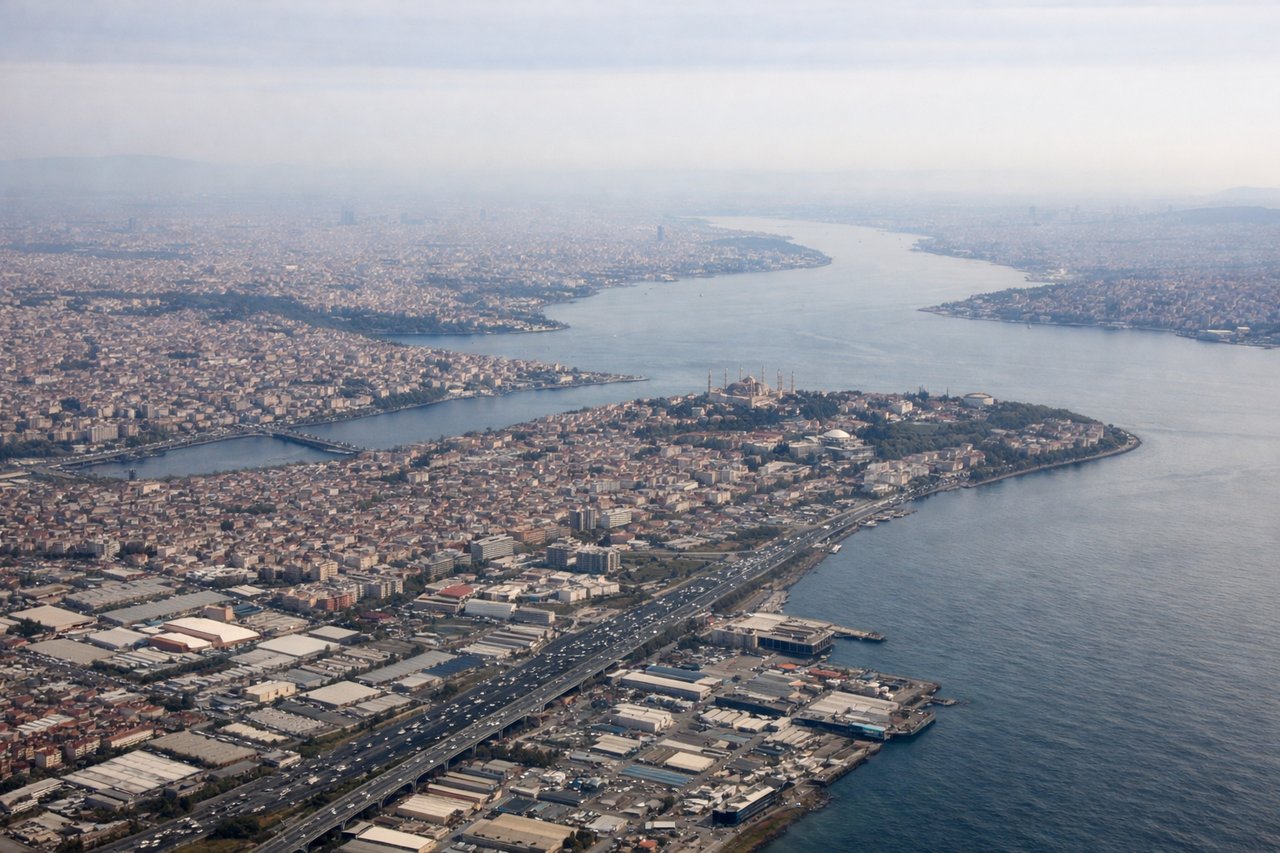
Takeoff from IST
LEFTDeparting IST northbound, the aircraft typically banks west after initial climb, putting the Bosphorus strait, historic Istanbul peninsula, and the Sea of Marmara coastline on the left side. The right side mostly shows the flatter Black Sea coast with less defined landmarks.
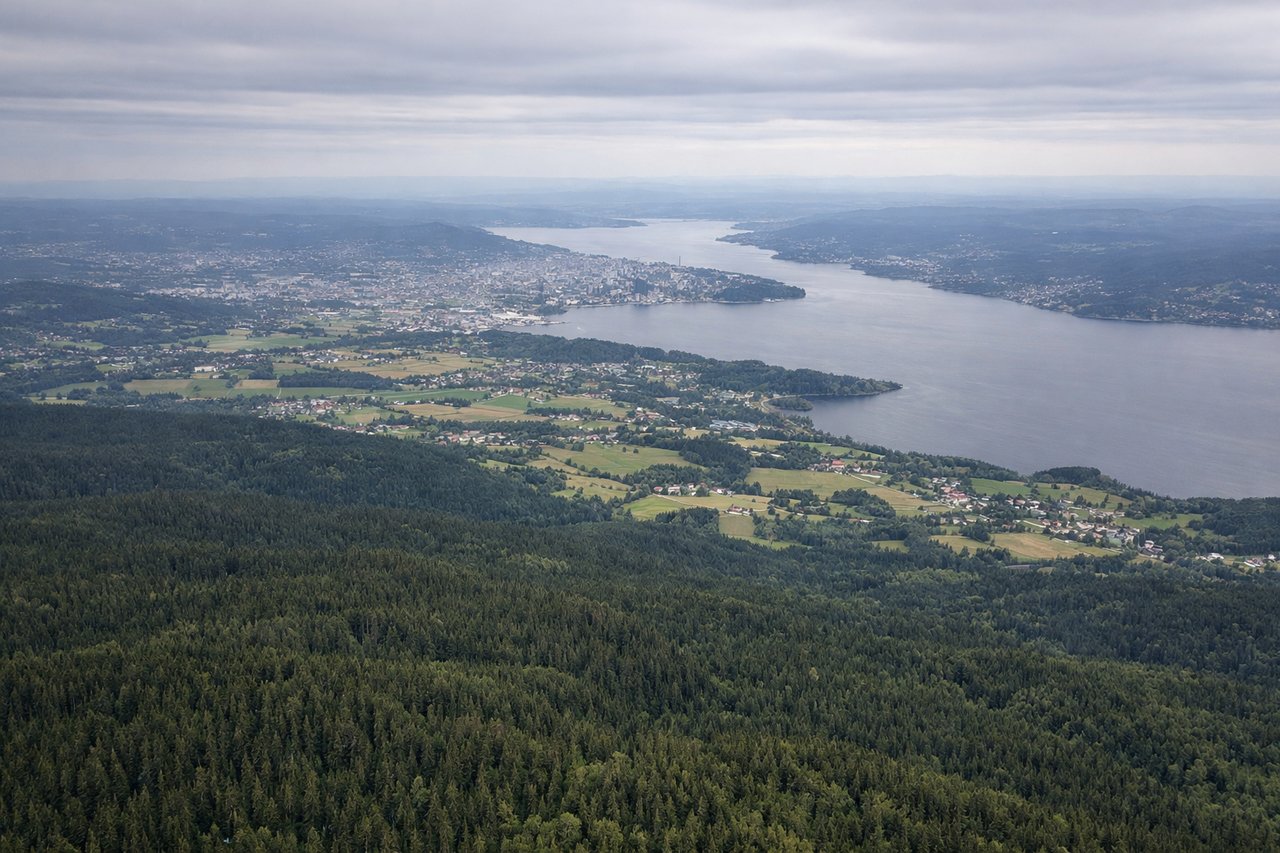
Landing at OSL
LEFTOn approach to OSL from the south, the flight path follows the Oslofjord, and the western shore's forested hills and small coastal towns are more prominent on the left side as the aircraft lines up for the north-south runways. The right side view is dominated by flatter inland terrain with less visual interest.
Landmarks on this routeAll landmarks →
Will your flight be in sunlight?
See exactly which side of the plane gets sun and shade at your departure time.
About This Route
Which side of the plane should I sit on flying from İstanbul Airport (IST) to Oslo Gardermoen (OSL)?
Sit on the Left side of the plane for the best views on flights from Istanbul to Oslo. The left side offers a stronger combination of the Bosphorus and Istanbul skyline at departure plus the Oslofjord's forested shoreline at arrival, while the right side view is comparatively flat and featureless during both phases.
What can I see during takeoff from İstanbul Airport in Istanbul?
During takeoff from İstanbul Airport (IST), sit on the Left side for the best views. Departing IST northbound, the aircraft typically banks west after initial climb, putting the Bosphorus strait, historic Istanbul peninsula, and the Sea of Marmara coastline on the left side. The right side mostly shows the flatter Black Sea coast with less defined landmarks. Notable sights include: Bosphorus Strait, Istanbul's historic peninsula (Topkapi/Hagia Sophia area), Sea of Marmara, Golden Horn.
What can I see when landing at Oslo Gardermoen in Oslo?
When landing at Oslo Gardermoen (OSL), sit on the Left side for the best views. On approach to OSL from the south, the flight path follows the Oslofjord, and the western shore's forested hills and small coastal towns are more prominent on the left side as the aircraft lines up for the north-south runways. The right side view is dominated by flatter inland terrain with less visual interest. Notable sights include: Oslofjord, forested hills of Nordmarka, small coastal towns like Drøbak, outskirts of Oslo.
How long is the flight from Istanbul to Oslo?
The flight from İstanbul Airport (IST) to Oslo Gardermoen (OSL) takes 3h 55m.
What does the Istanbul to Oslo flight path pass over?
The route crosses the Balkan plains of Bulgaria and Serbia, the Hungarian plain, and central European terrain over Austria and Germany before reaching the Skagerrak strait and the Norwegian coastline near Oslofjord.