Jacksonville to Seoul is 7,401 miles (11,911 km), a flight of about 15 hours.
While takeoff favors the right, the landing view from the left is more dramatic and geographically significant—the Yellow Sea approach and Incheon's unique tidal flats are more visually distinctive than Jacksonville's departure. Left seats capture the most memorable portion of this transpacific route.
Flight Path
The flight path crosses the continental United States (Rocky Mountains visible from high altitude around 8-10 hours in), then the Pacific Ocean for 6+ hours. Notable midpoint features include the Aleutian Islands region (far north of typical routing), the vast open Pacific with no landmarks, and eventual approach to East Asia with the Korean peninsula's mountainous spine becoming visible during final descent.
Great circle distance and headings ›.jpeg?width=600)

Phase by phase
Takeoff from JAX
RIGHTJacksonville International typically departs runways 9L/9R (eastbound) or 27L/27R (westbound). For transpacific routing to ICN, eastbound departure is standard. Right-side seats offer views of the St. Johns River estuary and Atlantic coastline as you climb out over northeastern Florida.
Landing at ICN
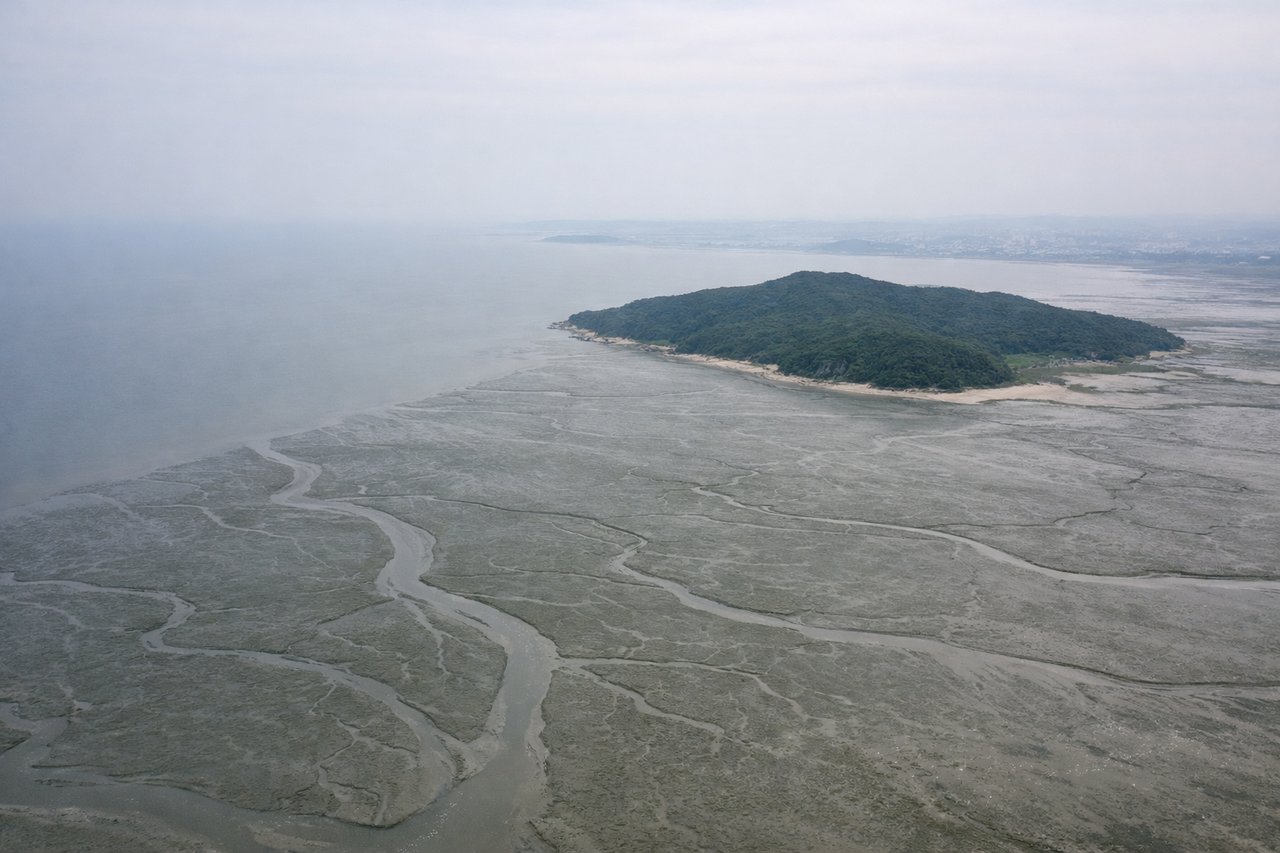
LEFTIncheon International uses runways 3L/3R (northbound) or 21L/21R (southbound) depending on wind. Standard approach from the Pacific is southbound (runway 21). Left-side seats descending into ICN provide views of the Yellow Sea, Incheon's tidal flats, and the Korean peninsula's western coastline.
Landmarks on this routeAll landmarks →
Will your flight be in sunlight?
Pick a date and time in the Sun Map to watch the sun move across your whole flight.
About This Route
Which side of the plane should I sit on flying from Jacksonville International (JAX) to Incheon International (ICN)?
Sit on the Left side of the plane for the best views on flights from Jacksonville to Seoul. While takeoff favors the right, the landing view from the left is more dramatic and geographically significant—the Yellow Sea approach and Incheon's unique tidal flats are more visually distinctive than Jacksonville's departure. Left seats capture the most memorable portion of this transpacific route.
What can I see during takeoff from Jacksonville International in Jacksonville?
During takeoff from Jacksonville International (JAX), sit on the Right side for the best views. Jacksonville International typically departs runways 9L/9R (eastbound) or 27L/27R (westbound). For transpacific routing to ICN, eastbound departure is standard. Right-side seats offer views of the St. Johns River estuary and Atlantic coastline as you climb out over northeastern Florida. Notable sights include: St. Johns River (winding brown waterway below), Atlantic Ocean (eastern horizon), Duval County urban sprawl (Jacksonville city grid), coastal marshlands and barrier islands.
What can I see when landing at Incheon International in Seoul?
When landing at Incheon International (ICN), sit on the Left side for the best views. Incheon International uses runways 3L/3R (northbound) or 21L/21R (southbound) depending on wind. Standard approach from the Pacific is southbound (runway 21). Left-side seats descending into ICN provide views of the Yellow Sea, Incheon's tidal flats, and the Korean peninsula's western coastline. Notable sights include: Yellow Sea (vast shallow water body), Incheon tidal mudflats (distinctive gray-brown expanses), Seoul metropolitan area (urban sprawl to the southeast), Korean peninsula terrain (low hills and agricultural patchwork).
How long is the flight from Jacksonville to Seoul?
The flight from Jacksonville International (JAX) to Incheon International (ICN) takes about 15 hours. The shortest flight path between them is 7,401 miles (11,911 km); winds and air traffic control usually add a few percent.
What does the Jacksonville to Seoul flight path pass over?
The flight path crosses the continental United States (Rocky Mountains visible from high altitude around 8-10 hours in), then the Pacific Ocean for 6+ hours. Notable midpoint features include the Aleutian Islands region (far north of typical routing), the vast open Pacific with no landmarks, and eventual approach to East Asia with the Korean peninsula's mountainous spine becoming visible during final descent.