While the right side edges out the takeoff with a clean Manhattan view, the left side's Hawaii arrival — Diamond Head, Waikiki, and the Koolau Range sliding past the window — is the standout moment of this long transcontinental-to-Pacific flight and tips the balance.
Flight Path
The route generally crosses the Appalachians, the Great Lakes region, the Great Plains, and the southern Rocky Mountains/Great Basin before nearly six hours of open Pacific Ocean with no visible landmarks until the Hawaiian Islands appear near the end of the flight.
Great circle distance and headings ›.jpg?width=600)
.jpeg?width=600)


.jpg?width=600)


Phase by phase
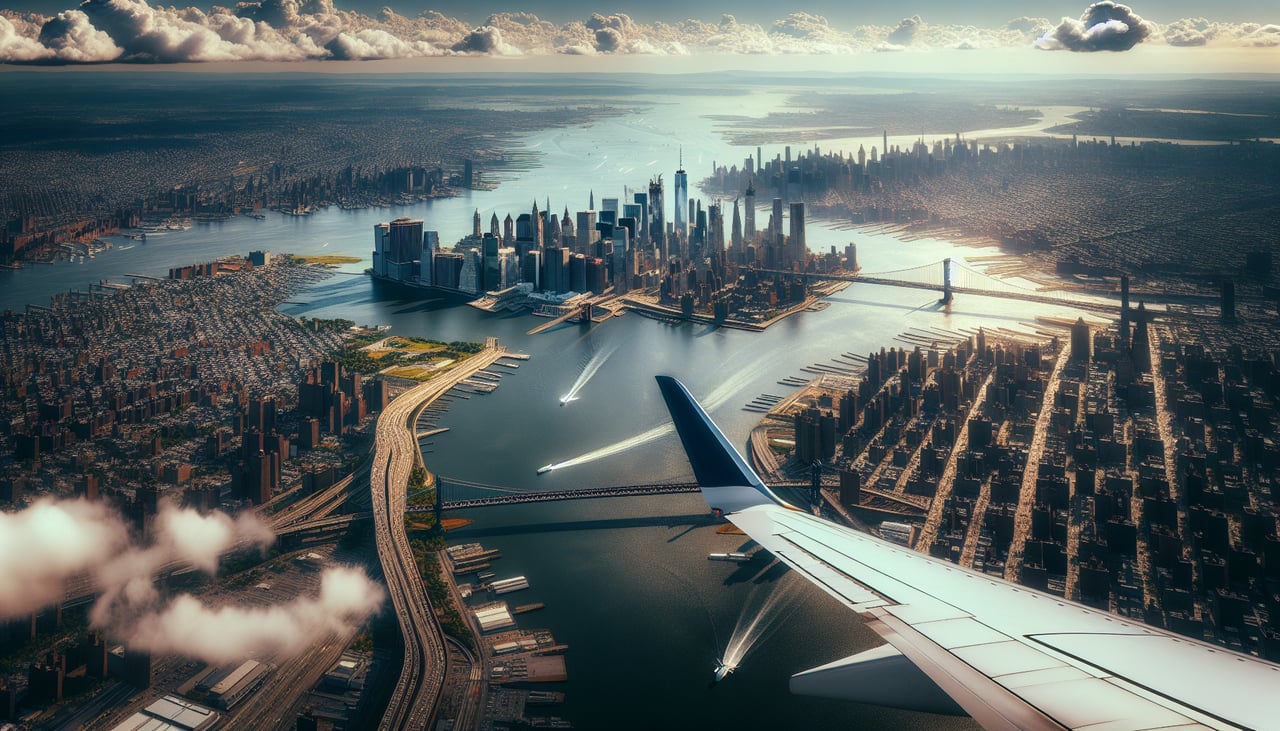
Takeoff from JFK
RIGHTDeparting JFK on a westbound routing, the initial climb and left turn typically put Manhattan's skyline, the East River, and the Hudson off the right side of the aircraft before the plane settles onto its westward heading. The left side mostly shows Jamaica Bay and the flatter Rockaway shoreline.
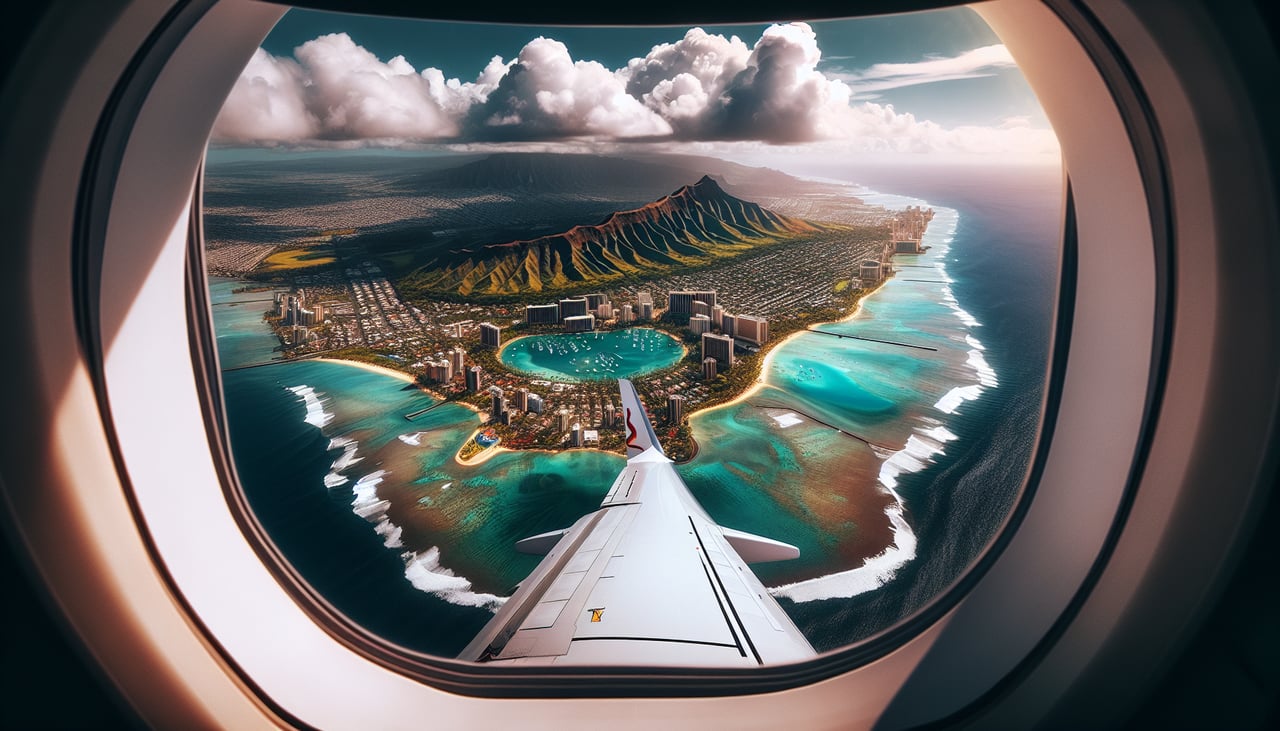
Landing at HNL
LEFTArriving flights from the mainland typically track along Oahu's south shore before turning to land into the trade winds, putting Diamond Head, Waikiki, and downtown Honolulu on the left side of the cabin during the final approach. This is one of the most photographed landing sequences in commercial aviation.
Landmarks on this routeAll landmarks →
Will your flight be in sunlight?
See exactly which side of the plane gets sun and shade at your departure time.
About This Route
Which side of the plane should I sit on flying from John F Kennedy International (JFK) to Honolulu International (HNL)?
Sit on the Left side of the plane for the best views on flights from New York to Honolulu. While the right side edges out the takeoff with a clean Manhattan view, the left side's Hawaii arrival — Diamond Head, Waikiki, and the Koolau Range sliding past the window — is the standout moment of this long transcontinental-to-Pacific flight and tips the balance.
What can I see during takeoff from John F Kennedy International in New York?
During takeoff from John F Kennedy International (JFK), sit on the Right side for the best views. Departing JFK on a westbound routing, the initial climb and left turn typically put Manhattan's skyline, the East River, and the Hudson off the right side of the aircraft before the plane settles onto its westward heading. The left side mostly shows Jamaica Bay and the flatter Rockaway shoreline. Notable sights include: Manhattan skyline, Hudson River/East River confluence, Verrazzano-Narrows Bridge, Long Island Sound.
What can I see when landing at Honolulu International in Honolulu?
When landing at Honolulu International (HNL), sit on the Left side for the best views. Arriving flights from the mainland typically track along Oahu's south shore before turning to land into the trade winds, putting Diamond Head, Waikiki, and downtown Honolulu on the left side of the cabin during the final approach. This is one of the most photographed landing sequences in commercial aviation. Notable sights include: Diamond Head crater, Waikiki Beach and hotel skyline, downtown Honolulu, Koolau Range.
How long is the flight from New York to Honolulu?
The flight from John F Kennedy International (JFK) to Honolulu International (HNL) takes 11h 05m.
What does the New York to Honolulu flight path pass over?
The route generally crosses the Appalachians, the Great Lakes region, the Great Plains, and the southern Rocky Mountains/Great Basin before nearly six hours of open Pacific Ocean with no visible landmarks until the Hawaiian Islands appear near the end of the flight.