Diamond Head crater, Waikiki skyline, Koolau mountain range
Diamond Head crater, Waikiki Beach and hotel skyline, Ala Wai Canal
🛫 Taking Off from Honolulu (HNL)
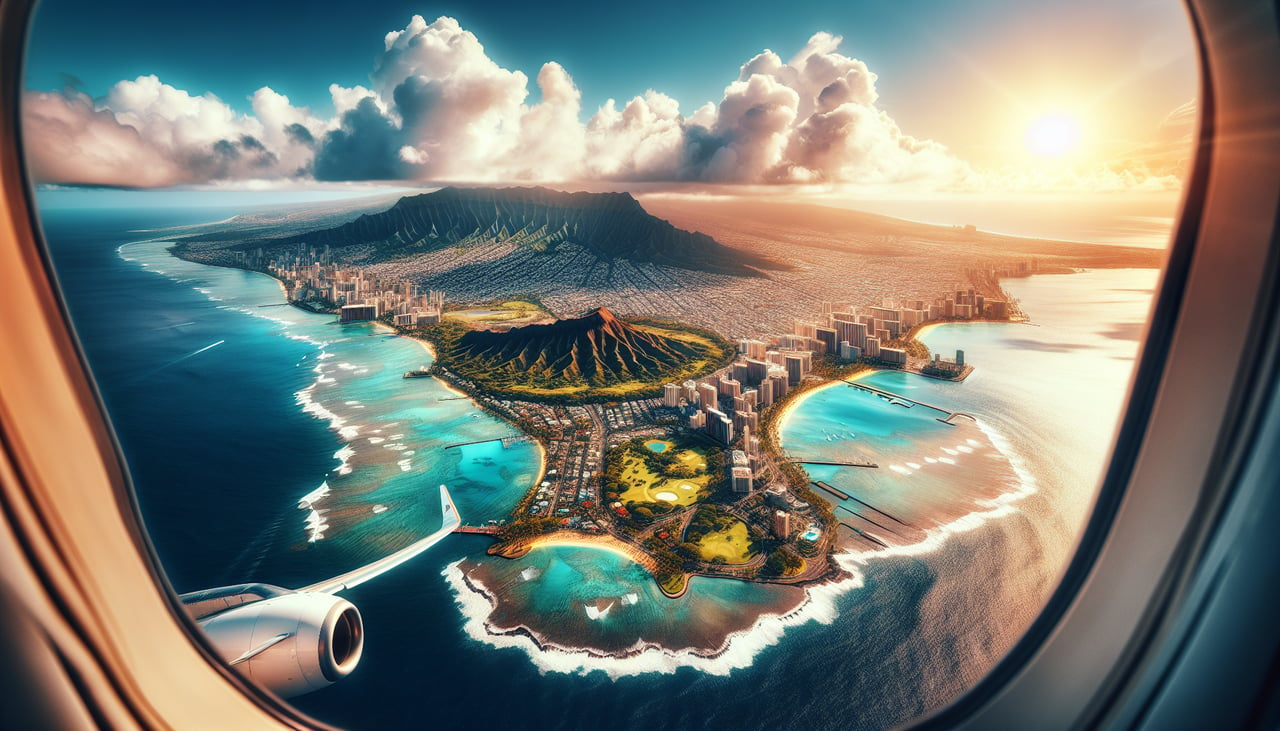 Left Side
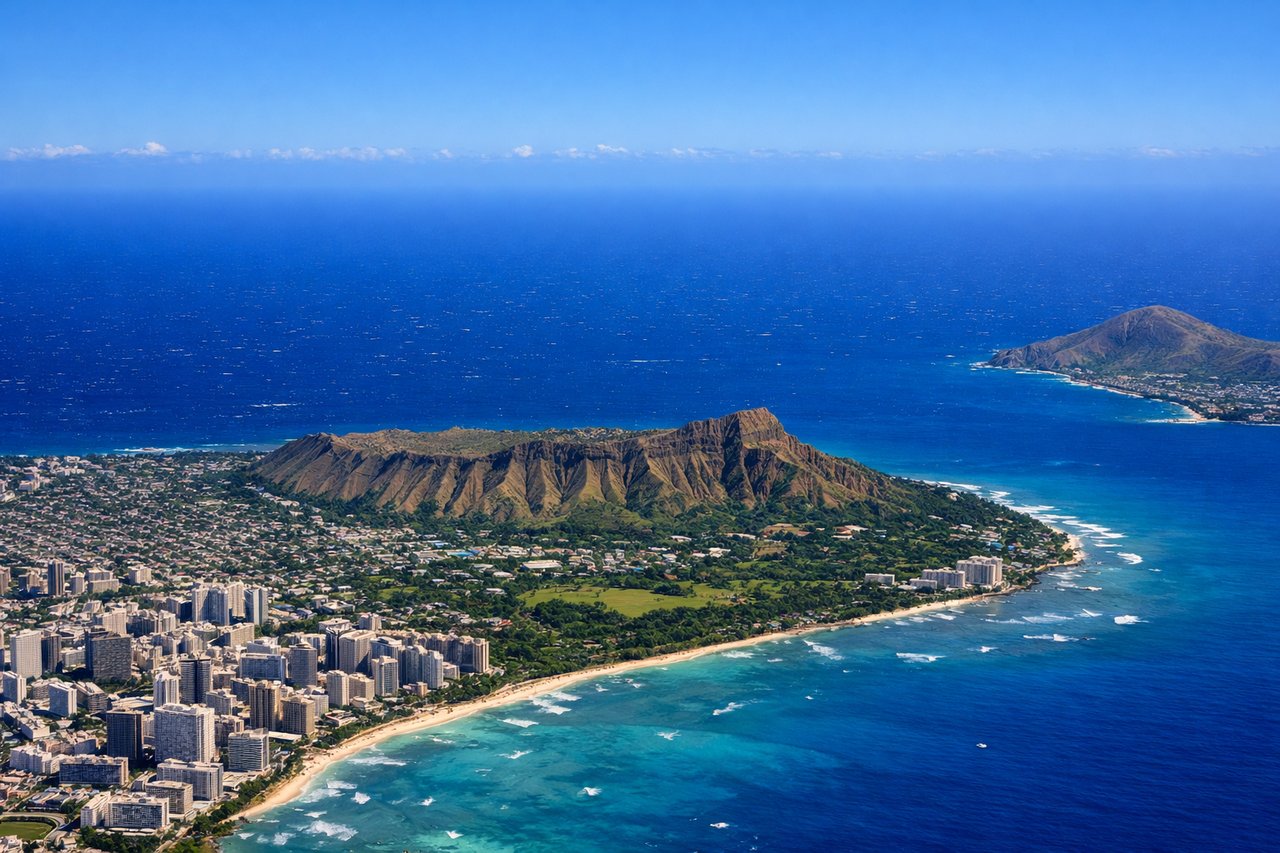 Right Side
🛬 Landing at Honolulu (HNL)
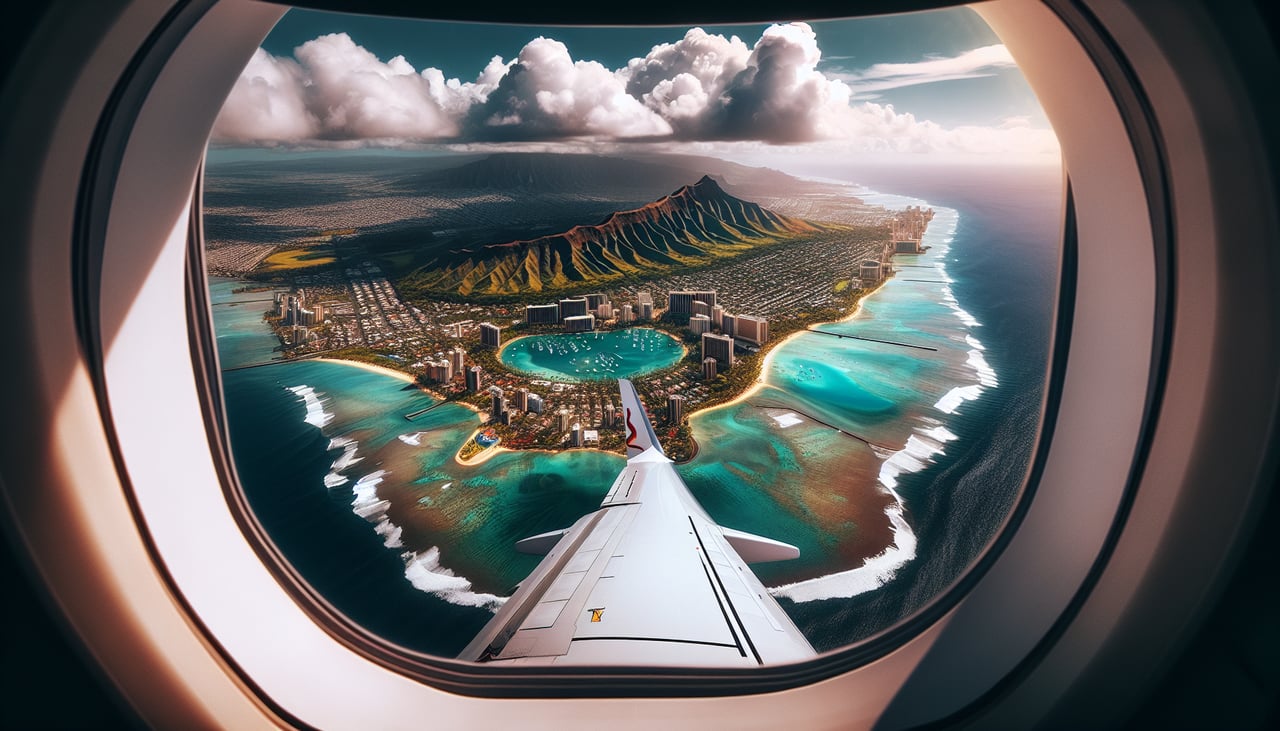 Left Side
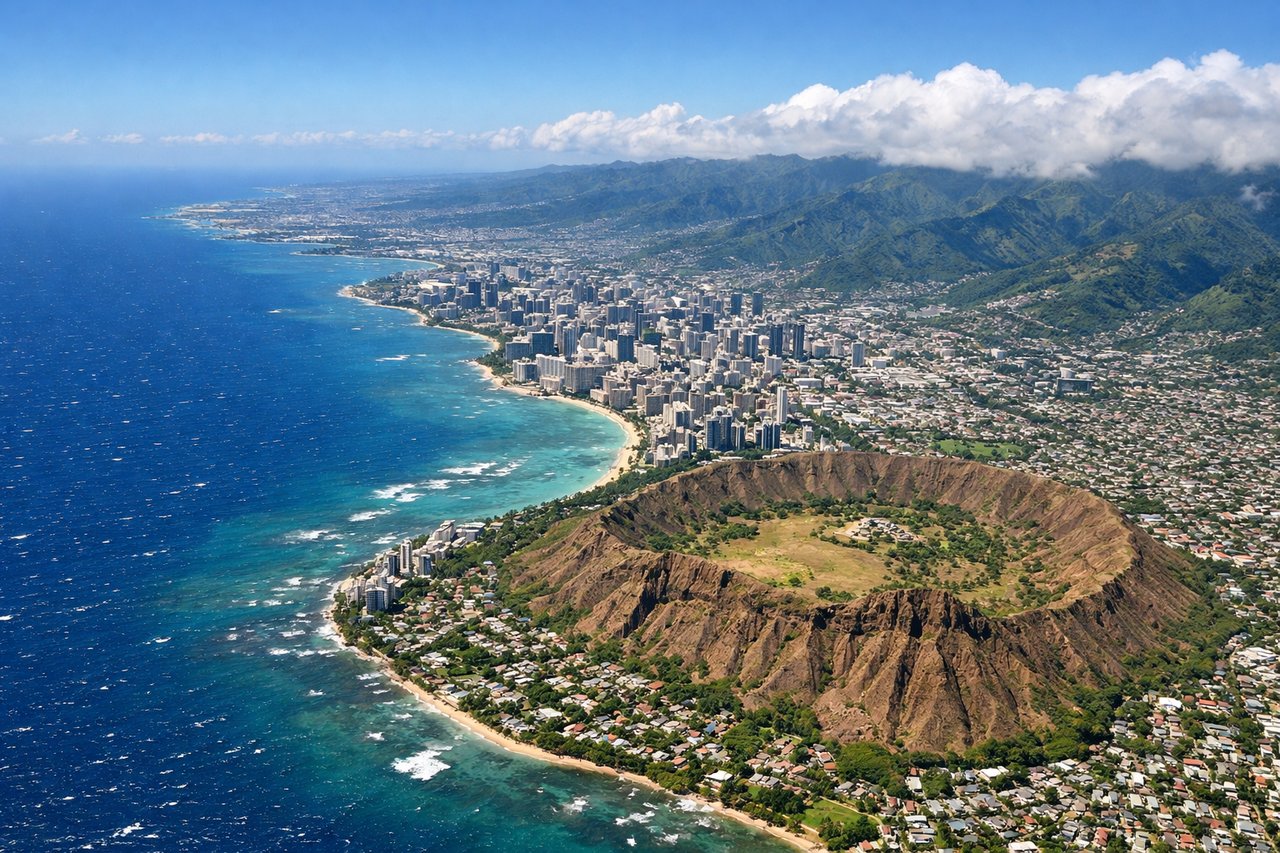 Right Side
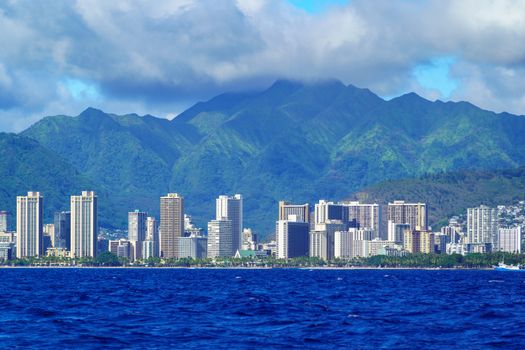 Photo: Cyrill
HNL is Hawaii's largest airport, featuring the Reef Runway built on filled coral reef offshore, which allows heavy long-haul jets to take off and land without overflying the city. The airport has separate terminal facilities for interisland, mainland/international, and commuter flights.
Landmarks on routes from HonoluluAll landmarks →
Connecting at HNL?
Find out if your layover is long enough at Honolulu International.
Check layover times →Popular Routes from Honolulu International (HNL)
North America
Europe
Asia
South America
Oceania
Africa
About This Airport
Which side of the plane has the best views at Honolulu International (HNL)?
At Honolulu International in Honolulu: for takeoff, sit on the Left side; for landing, sit on the Right side. Notable views include: Diamond Head crater, Waikiki skyline, Koolau mountain range, Honolulu downtown.
What can I see during takeoff from Honolulu International in Honolulu?
When taking off from Honolulu International (HNL), sit on the Left side for the best views. Departing on the Reef Runway (08R) takes you east over the water, flying parallel to Oahu's south shore. The left side gives you a great lineup of Waikiki's high-rises, Diamond Head crater, and the Koolau mountain range as you climb out, while the right side is just open ocean. Notable sights include: Diamond Head crater, Waikiki skyline, Koolau mountain range, Honolulu downtown.
What can I see when landing at Honolulu International in Honolulu?
When landing at Honolulu International (HNL), sit on the Right side for the best views. On approach to runway 08L, aircraft typically track in over the south shore before turning onto final, giving right-side passengers a sweeping view of Diamond Head crater, Waikiki Beach, and the Honolulu skyline. Left-side passengers mostly just see open ocean until touchdown. Notable sights include: Diamond Head crater, Waikiki Beach and hotel skyline, Ala Wai Canal, Honolulu downtown high-rises.
What factors affect the best window seat at Honolulu International?
The best window seat at Honolulu International (HNL) depends on several factors: the typical runway used for your departure or arrival, the geographic features around Honolulu (mountains, coastlines, city skylines), weather conditions, and time of day. Morning and evening flights often offer the best lighting for scenic views.