While takeoff from Honolulu offers dramatic volcanic and coastal scenery, the landing approach into Helsinki provides more sustained visual interest across the descent. The Finnish lake district and boreal forest transition is geographically distinctive and visually striking, whereas much of the transpacific flight crosses open ocean with minimal landmarks.
Flown HNL to HEL? Did we get it right?
Flight Path
Honolulu to Helsinki is 6,794 miles (10,934 km), a flight of about 13 hours 5 minutes.
The flight path crosses the North Pacific, passing north of the Aleutian Islands (visible on northbound routing), then over the Bering Sea and Arctic waters. Depending on routing, you may see the Aleutian chain's volcanic peaks and the transition from Pacific to Arctic waters. The approach to northern Europe brings views of Greenland's ice sheet (if routed south of typical polar routes), Iceland's volcanic landscape, and the Norwegian Sea before reaching Scandinavia.
Great circle distance and headings ›

Phase by phase
Takeoff from HNL
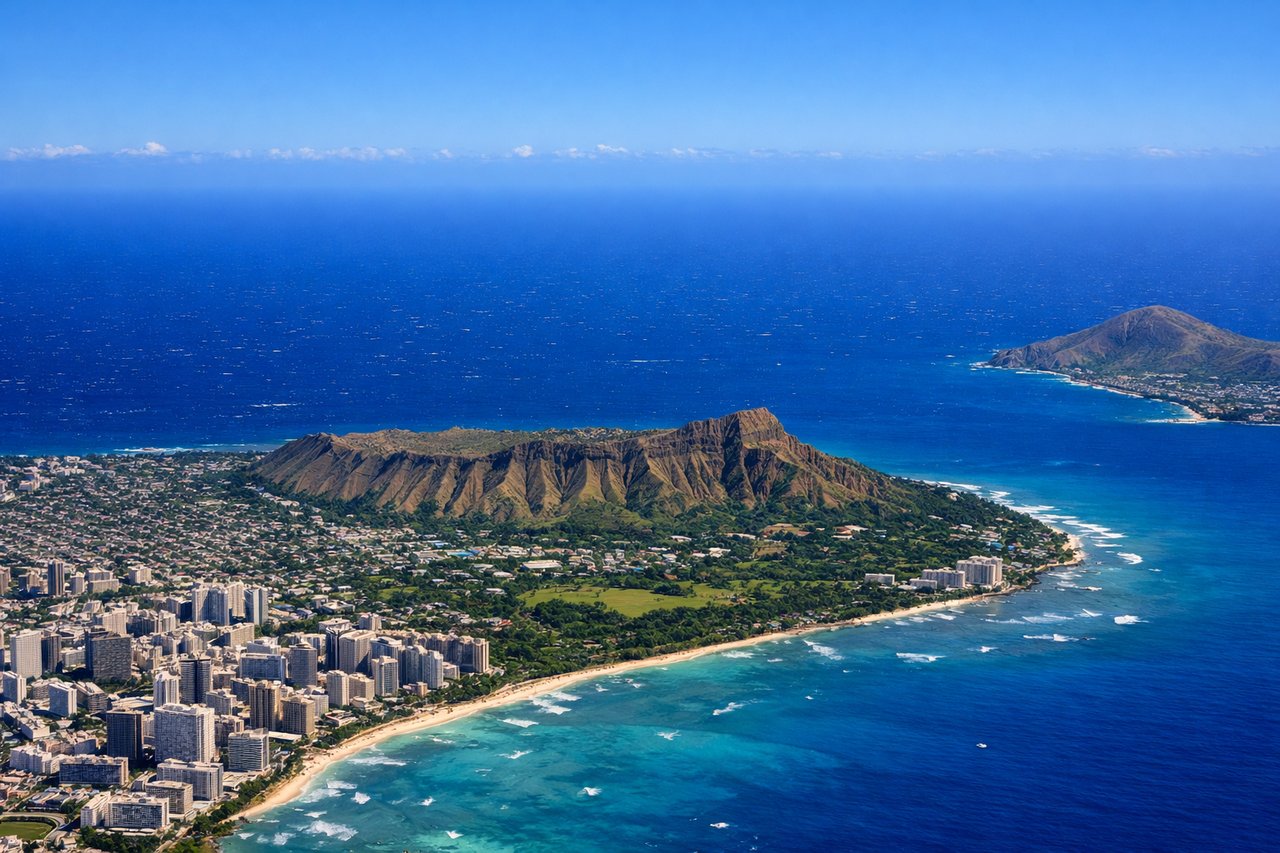
RIGHTRight-side seats offer views of the Ko'olau and Waianae mountain ranges that frame Honolulu's windward and leeward sides. You'll see the dramatic pali cliffs and green ridgelines as you climb out over the island.
Landing at HEL
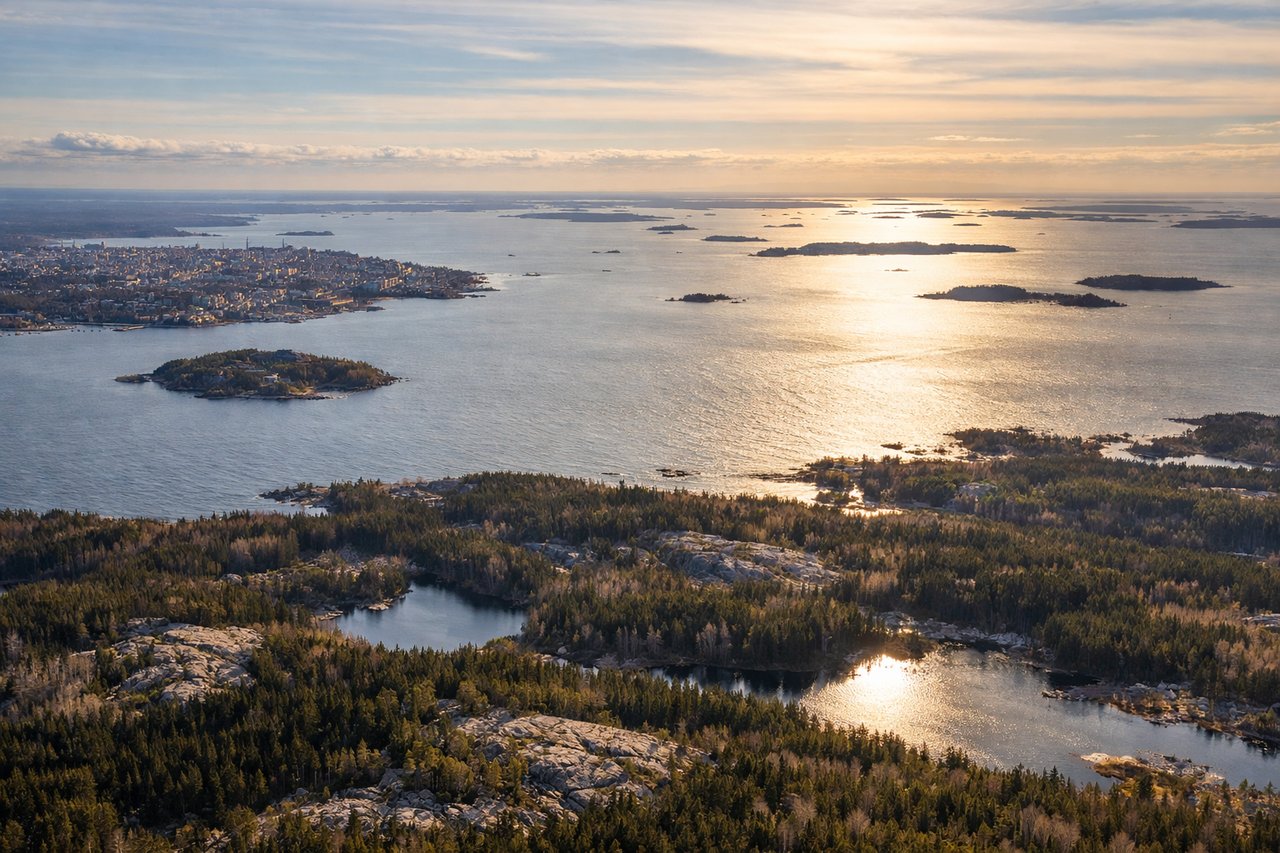
LEFTLeft-side seats provide views of the Scandinavian landscape as you descend into Helsinki. You'll see the Finnish lake district with its countless glacial lakes, boreal forest, and the transition from rural landscape to the Helsinki metropolitan area and the Baltic Sea coast.
Will your flight be in sunlight?
Pick a date and time in the Sun Map to watch the sun move across your whole flight.
About This Route
Which side of the plane should I sit on flying from Honolulu International (HNL) to Helsinki Vantaa (HEL)?
Sit on the Left side of the plane for the best views on flights from Honolulu to Helsinki. While takeoff from Honolulu offers dramatic volcanic and coastal scenery, the landing approach into Helsinki provides more sustained visual interest across the descent. The Finnish lake district and boreal forest transition is geographically distinctive and visually striking, whereas much of the transpacific flight crosses open ocean with minimal landmarks.
What can I see during takeoff from Honolulu International in Honolulu?
During takeoff from Honolulu International (HNL), sit on the Right side for the best views. Right-side seats offer views of the Ko'olau and Waianae mountain ranges that frame Honolulu's windward and leeward sides. You'll see the dramatic pali cliffs and green ridgelines as you climb out over the island. Notable sights include: Ko'olau Range (windward cliffs), Waianae Range (leeward peaks), Pearl Harbor (visible as you bank northeast), Honolulu city grid and Diamond Head crater.
What can I see when landing at Helsinki Vantaa in Helsinki?
When landing at Helsinki Vantaa (HEL), sit on the Left side for the best views. Left-side seats provide views of the Scandinavian landscape as you descend into Helsinki. You'll see the Finnish lake district with its countless glacial lakes, boreal forest, and the transition from rural landscape to the Helsinki metropolitan area and the Baltic Sea coast. Notable sights include: Finnish lake district (Tuusulanjärvi and surrounding glacial lakes), boreal forest and wetlands, Helsinki metropolitan sprawl, Gulf of Finland coastline.
How long is the flight from Honolulu to Helsinki?
The flight from Honolulu International (HNL) to Helsinki Vantaa (HEL) takes about 13 hours 5 minutes. The shortest flight path between them is 6,794 miles (10,934 km); winds and air traffic control usually add a few percent.
What does the Honolulu to Helsinki flight path pass over?
The flight path crosses the North Pacific, passing north of the Aleutian Islands (visible on northbound routing), then over the Bering Sea and Arctic waters. Depending on routing, you may see the Aleutian chain's volcanic peaks and the transition from Pacific to Arctic waters. The approach to northern Europe brings views of Greenland's ice sheet (if routed south of typical polar routes), Iceland's volcanic landscape, and the Norwegian Sea before reaching Scandinavia.