Kosice to Dallas-Fort Worth is 5,642 miles (9,080 km), a flight of about 11 hours.
Right-side seats dominate both segments: the Tatras during departure and the Fort Worth metropolitan area during arrival. This provides the most consistent scenic value across the entire transatlantic routing.
Flight Path
The flight path crosses the Atlantic, passing over the British Isles (Ireland and UK coastlines visible on day 1 if timing permits), then over the North Atlantic. Approaching North America, the Appalachian Mountains become visible in the eastern United States. The flight then crosses over Tennessee, Arkansas, and Oklahoma before descending into Texas. The Mississippi River valley and its tributaries are visible during the approach to the central United States. Weather systems and cloud formations over the Atlantic typically dominate the mid-flight experience, though clear days may reveal the curvature of the Earth and the vast ocean expanse.
Great circle distance and headings ›


Phase by phase
Takeoff from KSC
RIGHTRight-side seats offer views of the Low Tatras and High Tatras mountain ranges during the initial climb-out from Košice. The aircraft typically departs to the northwest, positioning these dramatic peaks directly off the right wing.
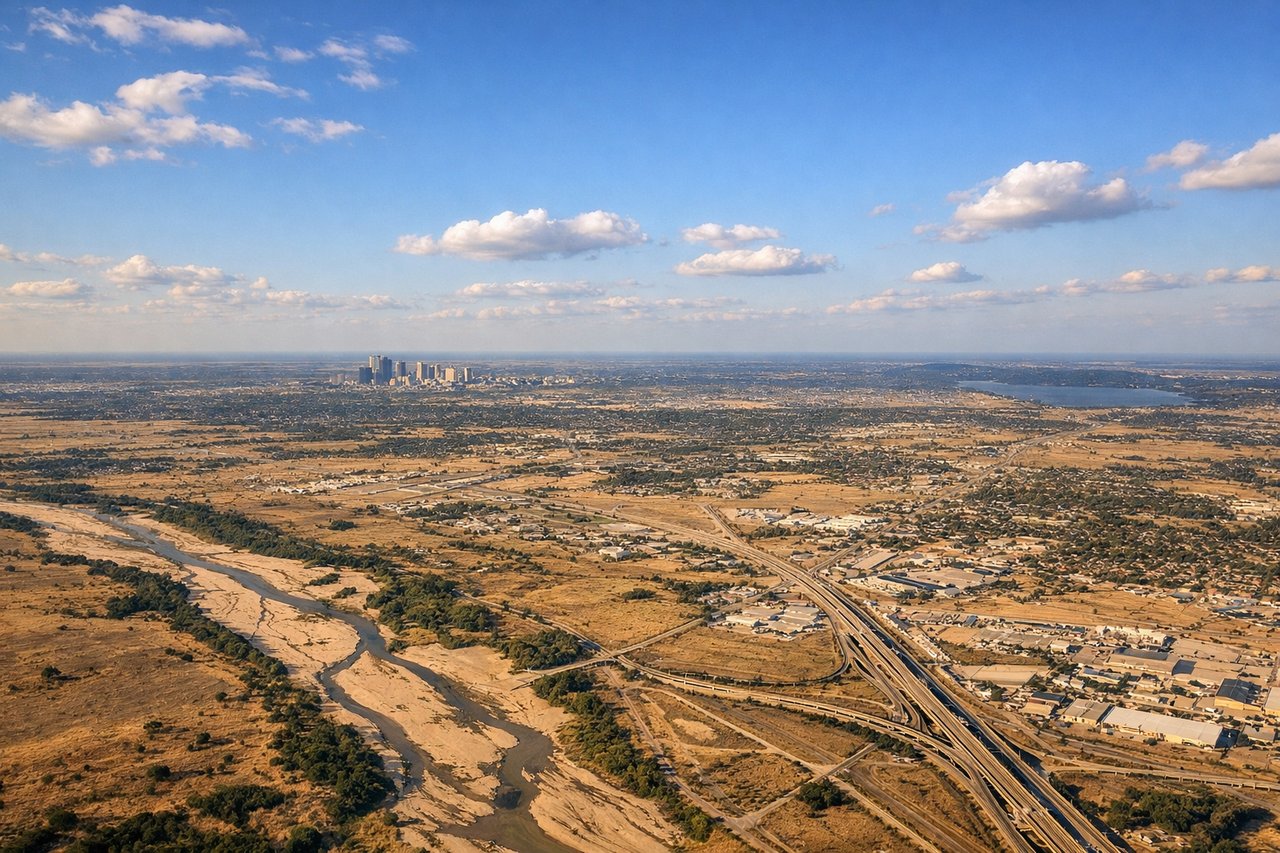
Landing at DFW
RIGHTRight-side seats provide excellent views during the descent into DFW. The approach typically brings the aircraft over the Fort Worth metropolitan area and the Trinity River system, with the city's downtown skyline and surrounding urban sprawl clearly visible on the right side during final approach.
Landmarks on this routeAll landmarks →
Will your flight be in sunlight?
Pick a date and time in the Sun Map to watch the sun move across your whole flight.
About This Route
Which side of the plane should I sit on flying from Kosice (KSC) to Dallas Fort Worth International (DFW)?
Sit on the Right side of the plane for the best views on flights from Kosice to Dallas-Fort Worth. Right-side seats dominate both segments: the Tatras during departure and the Fort Worth metropolitan area during arrival. This provides the most consistent scenic value across the entire transatlantic routing.
What can I see during takeoff from Kosice in Kosice?
During takeoff from Kosice (KSC), sit on the Right side for the best views. Right-side seats offer views of the Low Tatras and High Tatras mountain ranges during the initial climb-out from Košice. The aircraft typically departs to the northwest, positioning these dramatic peaks directly off the right wing. Notable sights include: High Tatras (north), Low Tatras (west), Hornád River valley (below), Košice city sprawl (southeast).
What can I see when landing at Dallas Fort Worth International in Dallas-Fort Worth?
When landing at Dallas Fort Worth International (DFW), sit on the Right side for the best views. Right-side seats provide excellent views during the descent into DFW. The approach typically brings the aircraft over the Fort Worth metropolitan area and the Trinity River system, with the city's downtown skyline and surrounding urban sprawl clearly visible on the right side during final approach. Notable sights include: Fort Worth downtown (right), Trinity River (center-right), Dallas-Fort Worth urban corridor (left-right), Lake Worth and Eagle Mountain Lake (north).
How long is the flight from Kosice to Dallas-Fort Worth?
The flight from Kosice (KSC) to Dallas Fort Worth International (DFW) takes about 11 hours. The shortest flight path between them is 5,642 miles (9,080 km); winds and air traffic control usually add a few percent.
What does the Kosice to Dallas-Fort Worth flight path pass over?
The flight path crosses the Atlantic, passing over the British Isles (Ireland and UK coastlines visible on day 1 if timing permits), then over the North Atlantic. Approaching North America, the Appalachian Mountains become visible in the eastern United States. The flight then crosses over Tennessee, Arkansas, and Oklahoma before descending into Texas. The Mississippi River valley and its tributaries are visible during the approach to the central United States. Weather systems and cloud formations over the Atlantic typically dominate the mid-flight experience, though clear days may reveal the curvature of the Earth and the vast ocean expanse.