The right side combines a brief skyline view at takeoff with the far more decisive advantage of facing the main Himalayan wall on the Kathmandu approach, giving it more sustained visual drama than the ocean- and delta-dominated left side.
Flight Path
Bay of Bengal open water, the Ganges-Brahmaputra delta and Sundarbans mangrove belt over Bangladesh, and the flat Gangetic plain of northern India before the terrain rises into the Himalayan foothills near Nepal
Great circle distance and headings ›


Phase by phase
Takeoff from KUL
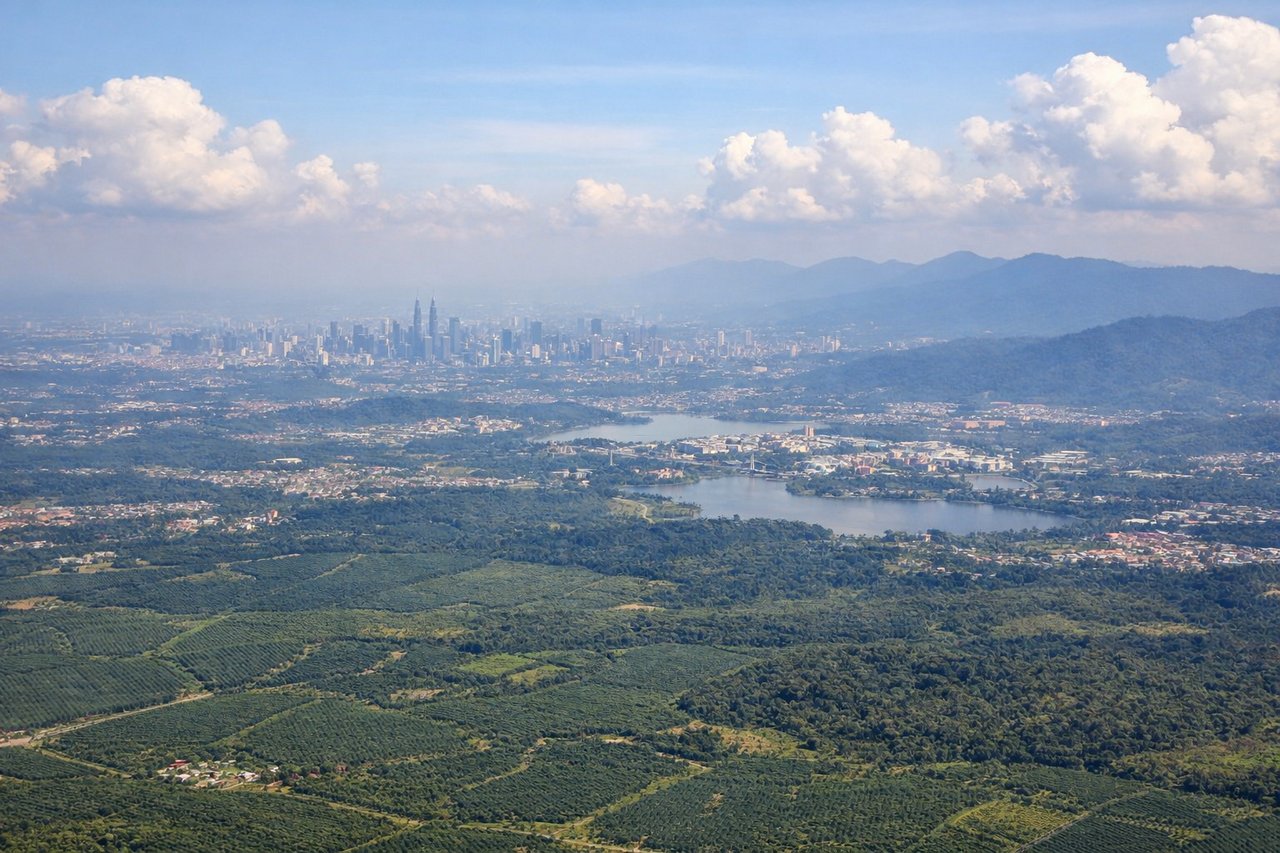
RIGHTDeparting KUL and turning onto a northbound track toward Nepal, the right side offers a look back at the Kuala Lumpur skyline and the Titiwangsa Range foothills rising inland, while the left side mostly faces the flat Strait of Malacca coastline.
Landing at KTM
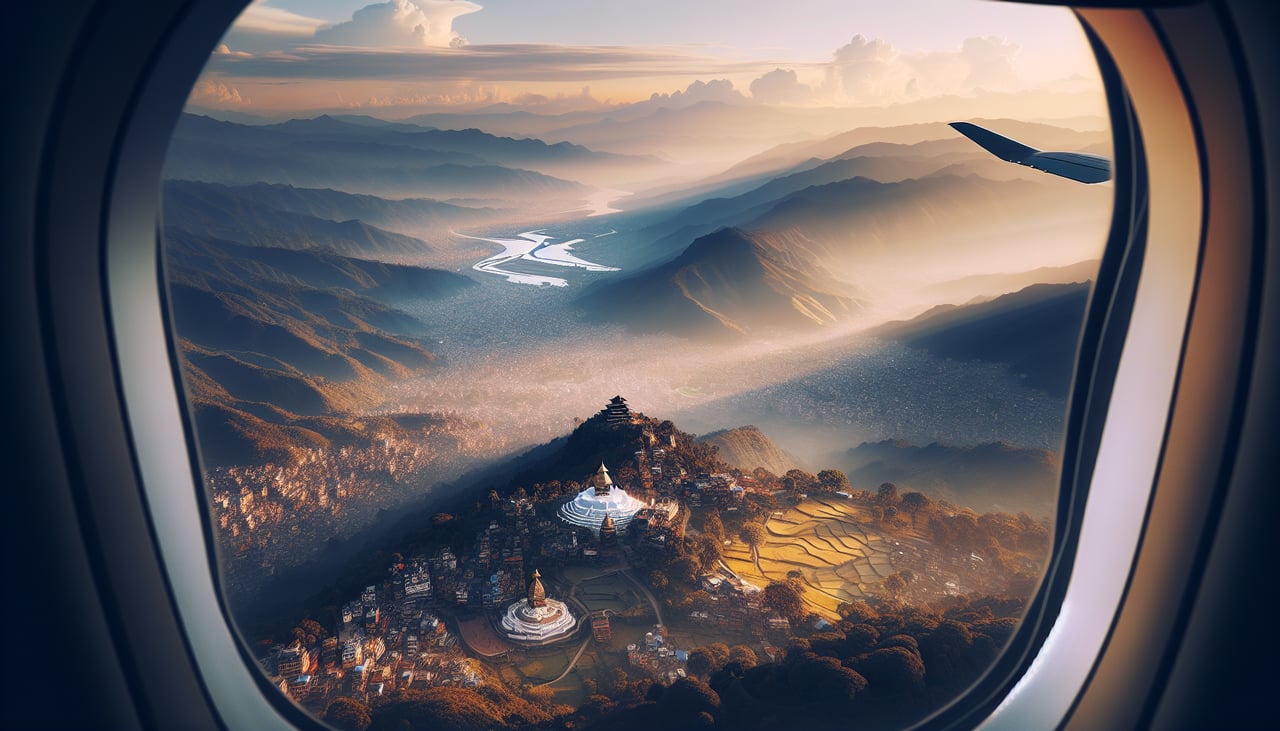
RIGHTOn the descent into Kathmandu from the southeast, the approach curves toward runway 02, and the right side faces north and east where the high Himalayan wall, including the Ganesh Himal and Langtang ranges, dominates the horizon above the terraced Kathmandu Valley.
Landmarks on this routeAll landmarks →
Will your flight be in sunlight?
See exactly which side of the plane gets sun and shade at your departure time.
About This Route
Which side of the plane should I sit on flying from Kuala Lumpur International (KUL) to Tribhuvan International (KTM)?
Sit on the Right side of the plane for the best views on flights from Kuala Lumpur to Kathmandu. The right side combines a brief skyline view at takeoff with the far more decisive advantage of facing the main Himalayan wall on the Kathmandu approach, giving it more sustained visual drama than the ocean- and delta-dominated left side.
What can I see during takeoff from Kuala Lumpur International in Kuala Lumpur?
During takeoff from Kuala Lumpur International (KUL), sit on the Right side for the best views. Departing KUL and turning onto a northbound track toward Nepal, the right side offers a look back at the Kuala Lumpur skyline and the Titiwangsa Range foothills rising inland, while the left side mostly faces the flat Strait of Malacca coastline. Notable sights include: Kuala Lumpur skyline (Petronas Towers, KL Tower), Titiwangsa mountain range, Klang Valley urban sprawl, palm oil plantations.
What can I see when landing at Tribhuvan International in Kathmandu?
When landing at Tribhuvan International (KTM), sit on the Right side for the best views. On the descent into Kathmandu from the southeast, the approach curves toward runway 02, and the right side faces north and east where the high Himalayan wall, including the Ganesh Himal and Langtang ranges, dominates the horizon above the terraced Kathmandu Valley. Notable sights include: Kathmandu Valley terraces and rooftops, Langtang Himal, Ganesh Himal, Bagmati River valley.
How long is the flight from Kuala Lumpur to Kathmandu?
The flight from Kuala Lumpur International (KUL) to Tribhuvan International (KTM) takes 4h20m.
What does the Kuala Lumpur to Kathmandu flight path pass over?
Bay of Bengal open water, the Ganges-Brahmaputra delta and Sundarbans mangrove belt over Bangladesh, and the flat Gangetic plain of northern India before the terrain rises into the Himalayan foothills near Nepal