The left side wins because of the genuine, if brief, Himalayan payoff right after takeoff — a dramatic contrast to the otherwise flat, ocean- and plain-dominated middle of the flight that limits both sides' scores for the bulk of the journey.
Flight Path
Ganges-Brahmaputra plains of northern India/Bangladesh, the Bay of Bengal, the Andaman Sea, and the Strait of Malacca as the route approaches Peninsular Malaysia
Great circle distance and headings ›


Phase by phase
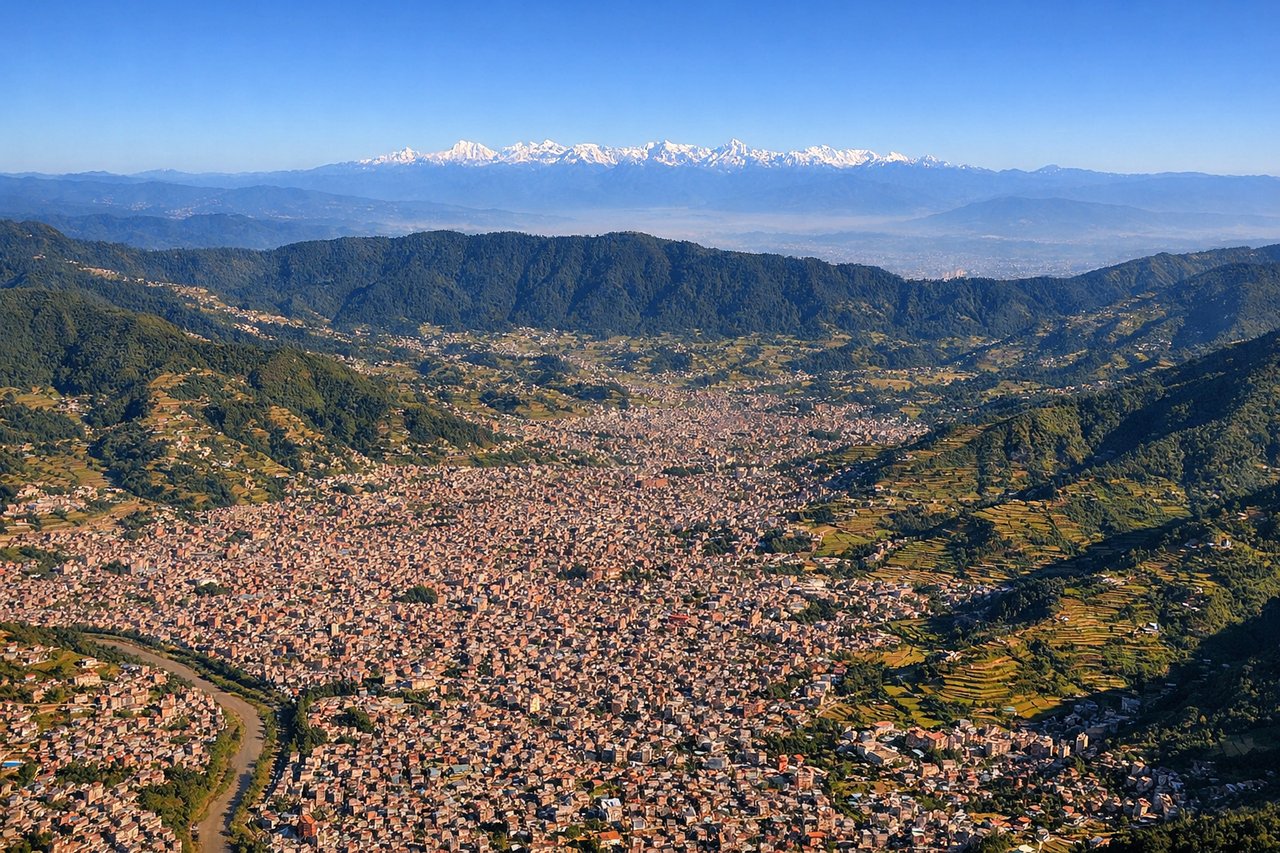
Takeoff from KTM
LEFTDeparting KTM on runway 20, the aircraft climbs south out of the Kathmandu Valley then banks left onto its southeast routing toward the Bay of Bengal. That turn swings the Himalayan skyline into view on the left side, with the Langtang Himal range and, on exceptionally clear days, distant peaks toward Everest and Makalu visible to the northeast before the plane climbs above the range.
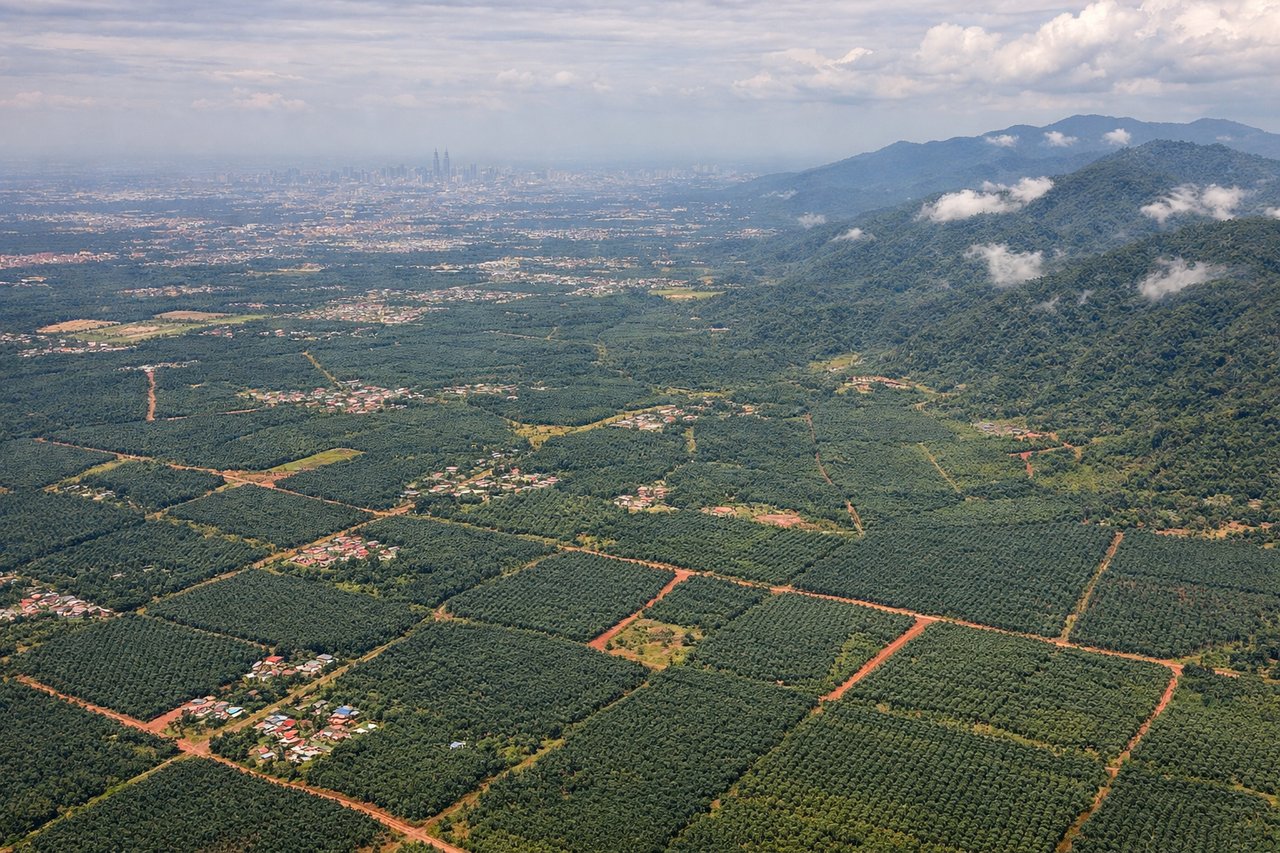
Landing at KUL
RIGHTOn approach into KUL from the north, arrival tracks commonly pass east of Kuala Lumpur city before turning onto final for the parallel runways. This puts the KL skyline, including the Petronas Towers, briefly in view on the right side during the descent, against the otherwise flat palm-plantation landscape surrounding the airport.
Landmarks on this routeAll landmarks →
Will your flight be in sunlight?
See exactly which side of the plane gets sun and shade at your departure time.
About This Route
Which side of the plane should I sit on flying from Tribhuvan International (KTM) to Kuala Lumpur International (KUL)?
Sit on the Left side of the plane for the best views on flights from Kathmandu to Kuala Lumpur. The left side wins because of the genuine, if brief, Himalayan payoff right after takeoff — a dramatic contrast to the otherwise flat, ocean- and plain-dominated middle of the flight that limits both sides' scores for the bulk of the journey.
What can I see during takeoff from Tribhuvan International in Kathmandu?
During takeoff from Tribhuvan International (KTM), sit on the Left side for the best views. Departing KTM on runway 20, the aircraft climbs south out of the Kathmandu Valley then banks left onto its southeast routing toward the Bay of Bengal. That turn swings the Himalayan skyline into view on the left side, with the Langtang Himal range and, on exceptionally clear days, distant peaks toward Everest and Makalu visible to the northeast before the plane climbs above the range. Notable sights include: Kathmandu Valley terraces, Langtang Himal range, Bagmati river valley, distant high Himalayan peaks (Everest/Makalu area on clear days).
What can I see when landing at Kuala Lumpur International in Kuala Lumpur?
When landing at Kuala Lumpur International (KUL), sit on the Right side for the best views. On approach into KUL from the north, arrival tracks commonly pass east of Kuala Lumpur city before turning onto final for the parallel runways. This puts the KL skyline, including the Petronas Towers, briefly in view on the right side during the descent, against the otherwise flat palm-plantation landscape surrounding the airport. Notable sights include: Kuala Lumpur skyline, Petronas Twin Towers, KL Tower, oil palm plantations surrounding KLIA.
How long is the flight from Kathmandu to Kuala Lumpur?
The flight from Tribhuvan International (KTM) to Kuala Lumpur International (KUL) takes 4h 45m.
What does the Kathmandu to Kuala Lumpur flight path pass over?
Ganges-Brahmaputra plains of northern India/Bangladesh, the Bay of Bengal, the Andaman Sea, and the Strait of Malacca as the route approaches Peninsular Malaysia