Left side scores higher due to the superior London departure (Thames, City skyline, suburban detail) and the full-flight advantage of crossing the Atlantic with occasional cloud breaks revealing the Irish coast, UK coastline, and Iberian Peninsula. Although the landing at Cusco favors the right side, the takeoff and mid-Atlantic segments on the left provide greater overall scenic variety and landmark density across the 11+ hour journey.
Flight Path
Irish coastline (west of UK), Atlantic Ocean (5+ hours of open water with occasional cloud breaks), Iberian Peninsula (Spain/Portugal coast and interior), Atlas Mountains (Morocco/Algeria border region), Sahara Desert (southern Algeria and Mali), West African coast (Mauritania/Senegal), Atlantic crossing again, northern coast of South America (Colombia/Venezuela), Andes foothills (Venezuela/Colombia), and final approach through the Sacred Valley to Cusco
Great circle distance and headings ›.jpeg?width=600)
.jpg?width=600)

Phase by phase
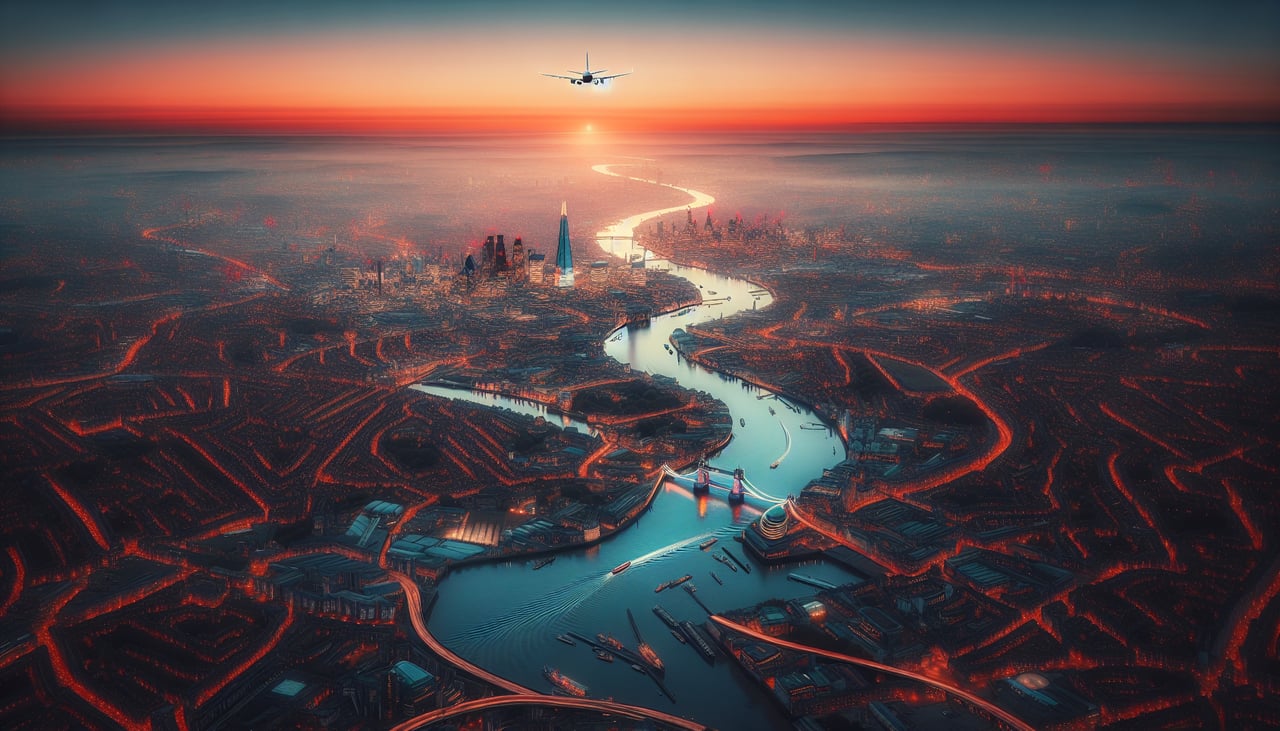
Takeoff from LCY
LEFTLeft side captures London's urban sprawl during climb-out, including the Thames winding through central London, the City financial district, and suburban expansion eastward toward Essex. Right side faces northwest over the Midlands—flatter, less distinctive terrain.
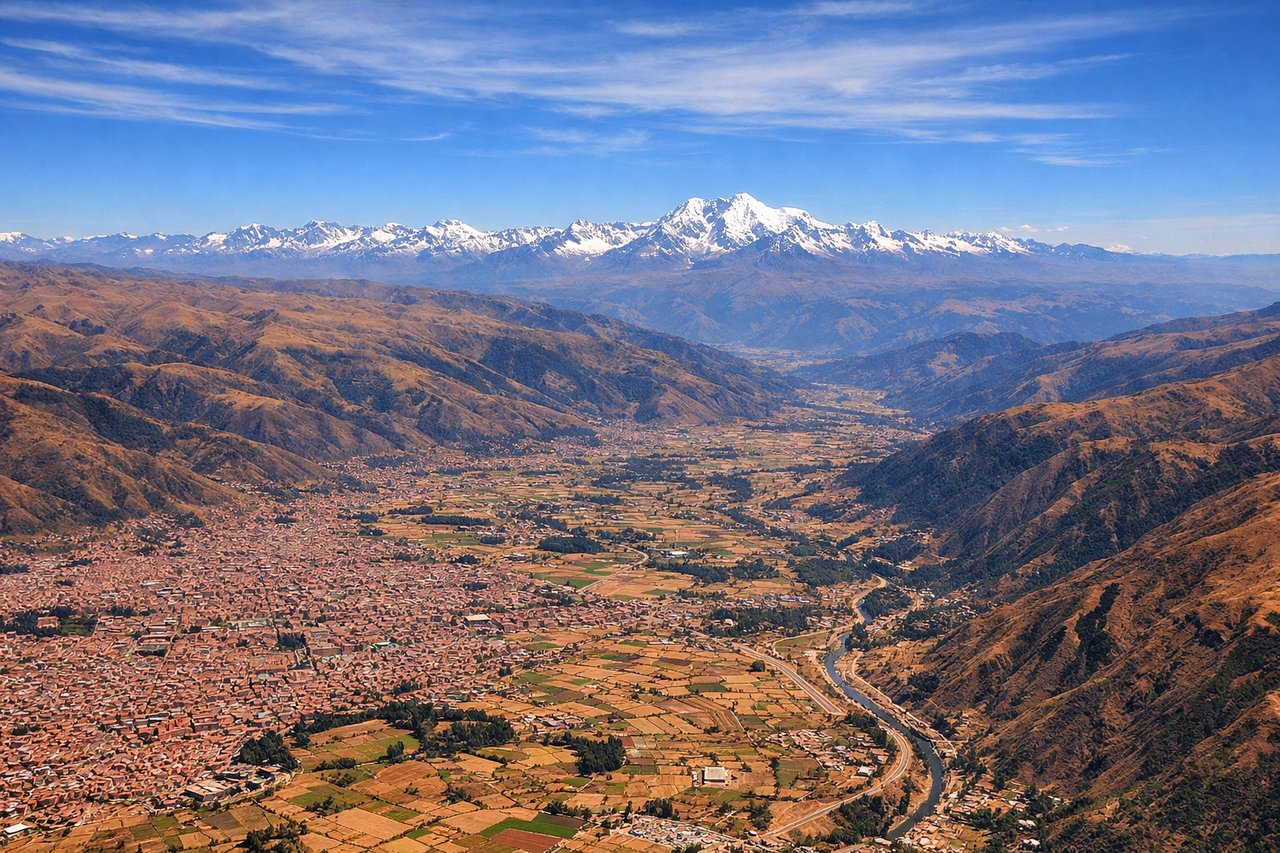
Landing at CUZ
RIGHTRight side (south/southeast approach to Cusco) offers dramatic views of the Andes as the aircraft descends into the Sacred Valley. The high-altitude terrain becomes increasingly visible—steep mountain ridges, river valleys, and the distinctive topography surrounding Cusco at 11,000 feet elevation. Left side faces the western Andes but with less dramatic relief during final approach.
Landmarks on this routeAll landmarks →
Will your flight be in sunlight?
See exactly which side of the plane gets sun and shade at your departure time.
About This Route
Which side of the plane should I sit on flying from City (LCY) to Velazco Astete (CUZ)?
Sit on the Left side of the plane for the best views on flights from London to Cuzco. Left side scores higher due to the superior London departure (Thames, City skyline, suburban detail) and the full-flight advantage of crossing the Atlantic with occasional cloud breaks revealing the Irish coast, UK coastline, and Iberian Peninsula. Although the landing at Cusco favors the right side, the takeoff and mid-Atlantic segments on the left provide greater overall scenic variety and landmark density across the 11+ hour journey.
What can I see during takeoff from City in London?
During takeoff from City (LCY), sit on the Left side for the best views. Left side captures London's urban sprawl during climb-out, including the Thames winding through central London, the City financial district, and suburban expansion eastward toward Essex. Right side faces northwest over the Midlands—flatter, less distinctive terrain. Notable sights include: Thames River (central London reach), City of London skyline, Greater London suburban grid, North Sea coast (distant, on horizon).
What can I see when landing at Velazco Astete in Cuzco?
When landing at Velazco Astete (CUZ), sit on the Right side for the best views. Right side (south/southeast approach to Cusco) offers dramatic views of the Andes as the aircraft descends into the Sacred Valley. The high-altitude terrain becomes increasingly visible—steep mountain ridges, river valleys, and the distinctive topography surrounding Cusco at 11,000 feet elevation. Left side faces the western Andes but with less dramatic relief during final approach. Notable sights include: Andes mountain ridges (multiple parallel ranges), Urubamba River valley (Sacred Valley), Cusco basin and surrounding peaks, high-altitude terrain at 10,000+ feet.
How long is the flight from London to Cuzco?
The flight from City (LCY) to Velazco Astete (CUZ) takes 11h 15m.
What does the London to Cuzco flight path pass over?
Irish coastline (west of UK), Atlantic Ocean (5+ hours of open water with occasional cloud breaks), Iberian Peninsula (Spain/Portugal coast and interior), Atlas Mountains (Morocco/Algeria border region), Sahara Desert (southern Algeria and Mali), West African coast (Mauritania/Senegal), Atlantic crossing again, northern coast of South America (Colombia/Venezuela), Andes foothills (Venezuela/Colombia), and final approach through the Sacred Valley to Cusco