While takeoff offers Thames estuary views, the landing approach into Almaty with the dramatic Tian Shan mountains is the flight's visual highlight. Left-side seats capture this spectacular mountain scenery during descent, making it the superior choice for the overall journey.
Flight Path
The flight path crosses the North Sea, then over continental Europe (Belgium, Germany, Poland visible below), continues across the vast Eastern European plains, passes over the Ural Mountains region, crosses the steppes of western Kazakhstan, and approaches the Tian Shan range from the north. Key midpoint landmarks include the Rhine valley, the Carpathian Mountains (distant to the south), the Volga River region, and the Caspian Sea (visible to the west/left on the southern leg of the route). The landscape transitions from temperate European terrain to increasingly arid steppe as you move eastward.
Great circle distance and headings ›.jpeg?width=600)

Phase by phase
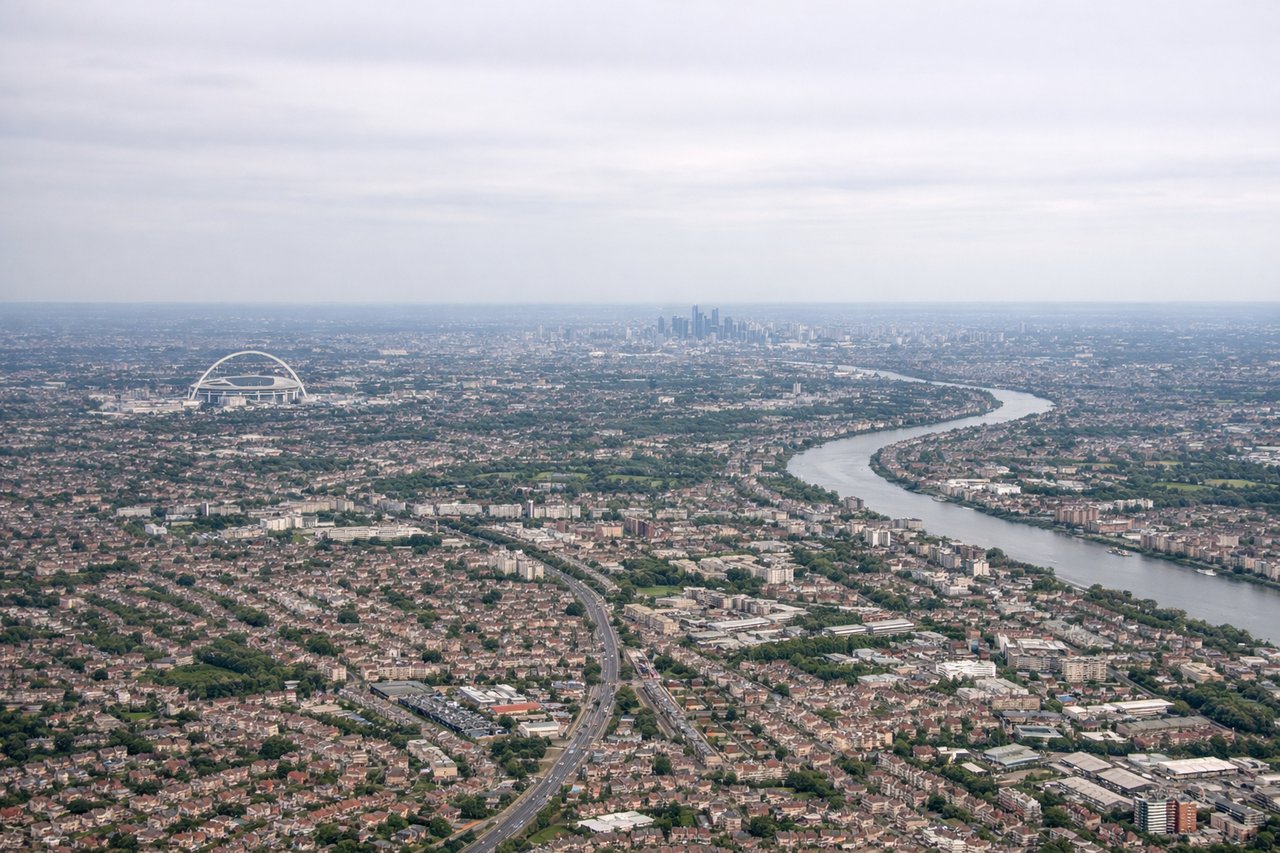
Takeoff from LHR
RIGHTRight-side seats offer views of the Thames estuary and the North Sea coast as the aircraft climbs out on a typical eastbound departure. You'll see the London sprawl receding beneath and the Kent coastline defining the southeastern edge of England.
Landing at ALA
LEFTLeft-side seats provide the best views during the descent into Almaty. You'll see the Tian Shan mountain range rising dramatically to the south and southeast, with the city nestled at the base of these peaks. The mountains create a stunning visual backdrop as you approach.
Landmarks on this routeAll landmarks →
Will your flight be in sunlight?
See exactly which side of the plane gets sun and shade at your departure time.
About This Route
Which side of the plane should I sit on flying from Heathrow (LHR) to Almaty (ALA)?
Sit on the Left side of the plane for the best views on flights from London to Almaty. While takeoff offers Thames estuary views, the landing approach into Almaty with the dramatic Tian Shan mountains is the flight's visual highlight. Left-side seats capture this spectacular mountain scenery during descent, making it the superior choice for the overall journey.
What can I see during takeoff from Heathrow in London?
During takeoff from Heathrow (LHR), sit on the Right side for the best views. Right-side seats offer views of the Thames estuary and the North Sea coast as the aircraft climbs out on a typical eastbound departure. You'll see the London sprawl receding beneath and the Kent coastline defining the southeastern edge of England. Notable sights include: Thames estuary, North Sea coast, Kent coastline, Greater London urban area.
What can I see when landing at Almaty in Almaty?
When landing at Almaty (ALA), sit on the Left side for the best views. Left-side seats provide the best views during the descent into Almaty. You'll see the Tian Shan mountain range rising dramatically to the south and southeast, with the city nestled at the base of these peaks. The mountains create a stunning visual backdrop as you approach. Notable sights include: Tian Shan mountain range, Almaty city sprawl, Ili River valley, steppe plains to the north.
How long is the flight from London to Almaty?
The flight from Heathrow (LHR) to Almaty (ALA) takes Approximately 7.5 to 8.5 hours.
What does the London to Almaty flight path pass over?
The flight path crosses the North Sea, then over continental Europe (Belgium, Germany, Poland visible below), continues across the vast Eastern European plains, passes over the Ural Mountains region, crosses the steppes of western Kazakhstan, and approaches the Tian Shan range from the north. Key midpoint landmarks include the Rhine valley, the Carpathian Mountains (distant to the south), the Volga River region, and the Caspian Sea (visible to the west/left on the southern leg of the route). The landscape transitions from temperate European terrain to increasingly arid steppe as you move eastward.