The left side bookends the flight with strong landmarks — London and the Thames on departure, and the iconic Potomac River Visual approach into D.C. on arrival — while the right side mostly faces open ocean or less distinctive terrain during these same phases.
Flight Path
North Atlantic Ocean, passing near the Grand Banks off Newfoundland before the route continues down the U.S. East Coast toward the Chesapeake Bay region
Great circle distance and headings ›.jpeg?width=600)

.jpg?width=600)
.jpg?width=600)
.jpeg?width=600)
Phase by phase
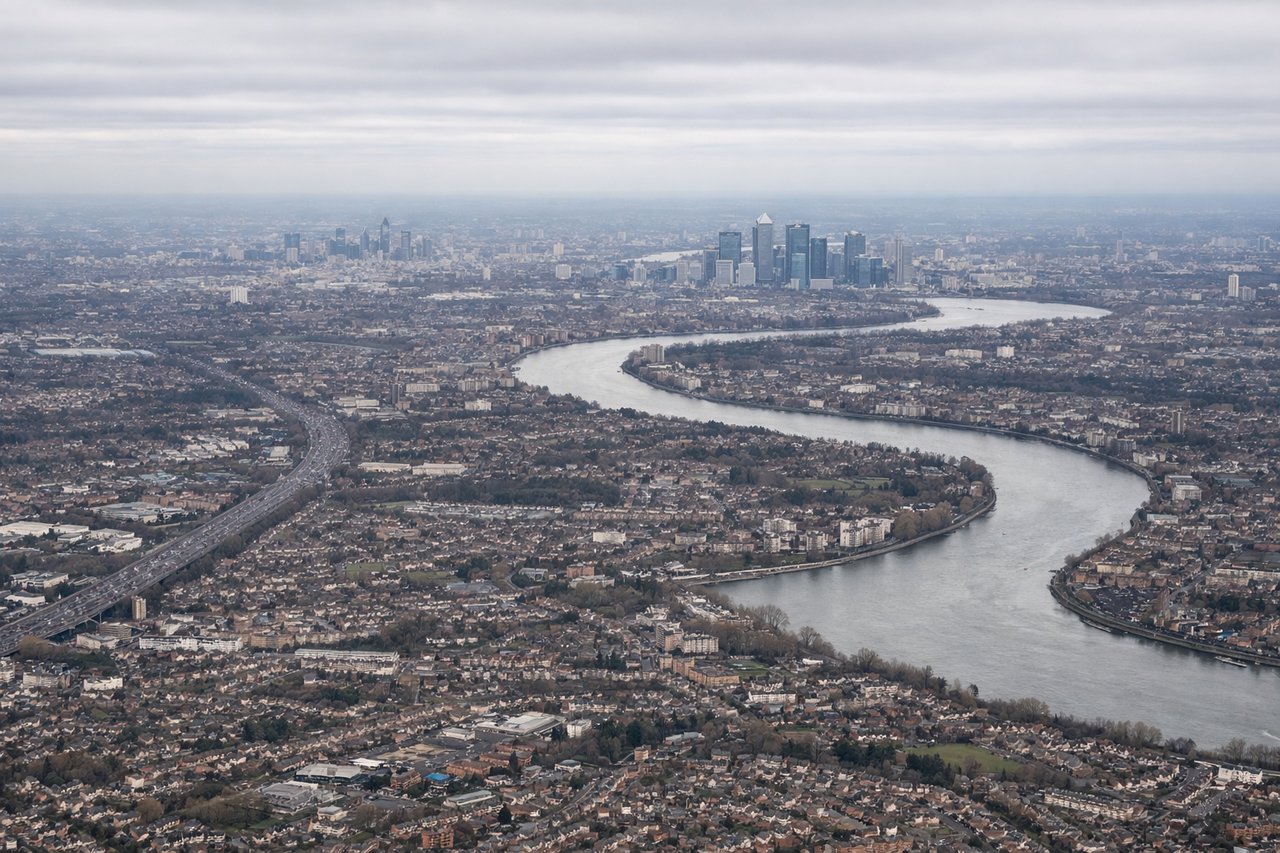
Takeoff from LHR
LEFTDeparting on 27R/27L, aircraft head west over London before typically curving north toward Wales and the North Atlantic tracks. During that turn, passengers on the left (south-facing) side get a good look back at the Thames, central London, and Windsor Castle before the city falls away.
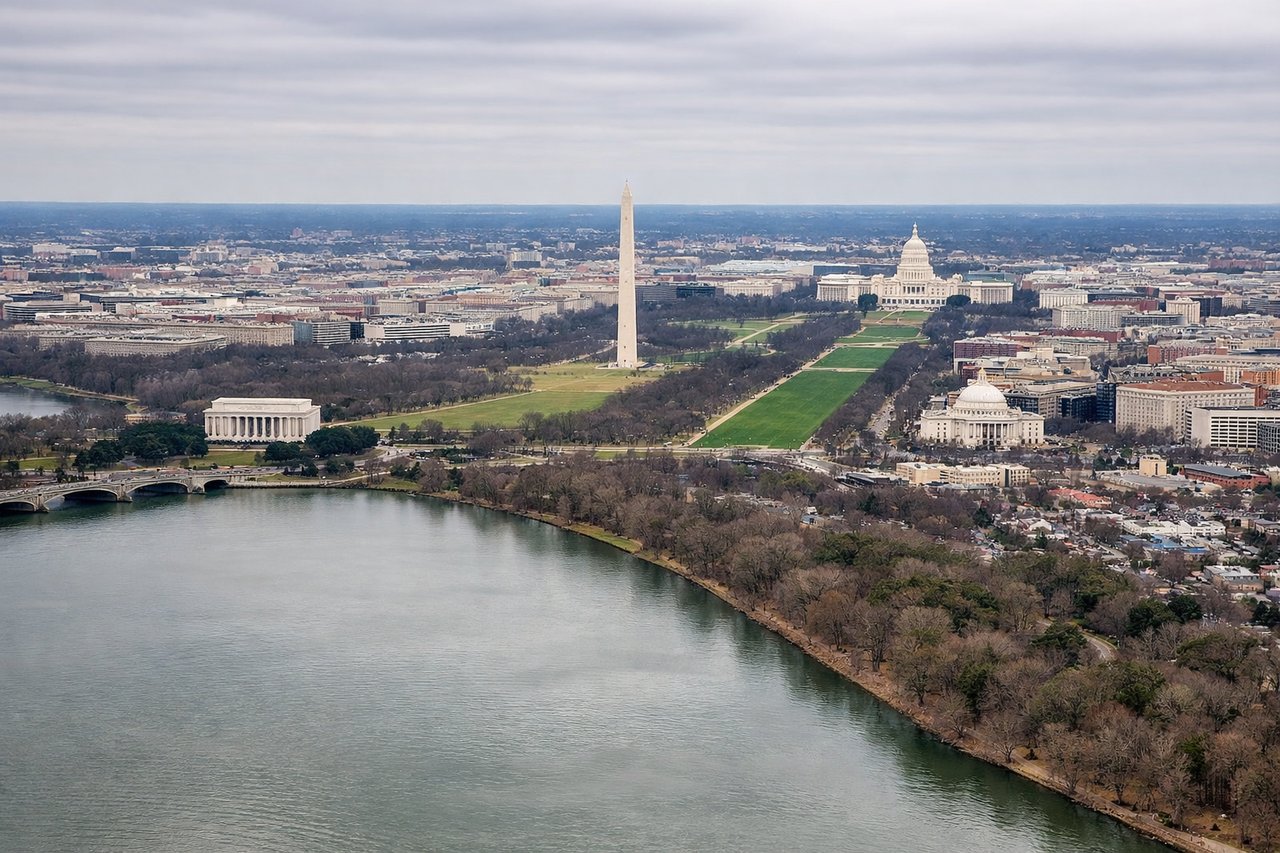
Landing at DCA
LEFTThe River Visual approach to Runway 19 tracks south down the Potomac, and the left side of the aircraft faces east toward Washington D.C., giving a close view of the National Mall, Washington Monument, and Capitol dome just before touchdown.
Landmarks on this routeAll landmarks →
Will your flight be in sunlight?
See exactly which side of the plane gets sun and shade at your departure time.
About This Route
Which side of the plane should I sit on flying from Heathrow (LHR) to Ronald Reagan Washington National (DCA)?
Sit on the Left side of the plane for the best views on flights from London to Washington. The left side bookends the flight with strong landmarks — London and the Thames on departure, and the iconic Potomac River Visual approach into D.C. on arrival — while the right side mostly faces open ocean or less distinctive terrain during these same phases.
What can I see during takeoff from Heathrow in London?
During takeoff from Heathrow (LHR), sit on the Left side for the best views. Departing on 27R/27L, aircraft head west over London before typically curving north toward Wales and the North Atlantic tracks. During that turn, passengers on the left (south-facing) side get a good look back at the Thames, central London, and Windsor Castle before the city falls away. Notable sights include: River Thames, Windsor Castle, London skyline (Canary Wharf/London Eye area), Berkshire countryside.
What can I see when landing at Ronald Reagan Washington National in Washington?
When landing at Ronald Reagan Washington National (DCA), sit on the Left side for the best views. The River Visual approach to Runway 19 tracks south down the Potomac, and the left side of the aircraft faces east toward Washington D.C., giving a close view of the National Mall, Washington Monument, and Capitol dome just before touchdown. Notable sights include: Potomac River, Washington Monument, U.S. Capitol, National Mall.
How long is the flight from London to Washington?
The flight from Heathrow (LHR) to Ronald Reagan Washington National (DCA) takes 8h 10m.
What does the London to Washington flight path pass over?
North Atlantic Ocean, passing near the Grand Banks off Newfoundland before the route continues down the U.S. East Coast toward the Chesapeake Bay region