The left side wins overall. While the right side has the better London departure view, the left side delivers the more sustained and dramatic scenery across the full flight: the Alps during the European leg, the Caspian Sea, the Himalayas visible on the horizon during the Central Asian crossing, and the spectacular Seto Inland Sea arrival into Hiroshima.
Flight Path
Departing northeast over the North Sea then tracking east across Germany and Austria, the Alps are clearly visible — particularly the Swiss and Austrian Alps with snow-covered peaks. The route then crosses the Black Sea or Caspian Sea depending on routing, followed by the Central Asian steppe of Kazakhstan and Uzbekistan. Over western China the Tian Shan range is visible. The route descends over eastern China and the Yellow Sea before crossing the Korean Peninsula and the Sea of Japan into western Honshu.
Great circle distance and headings ›Phase by phase
Takeoff from LHR
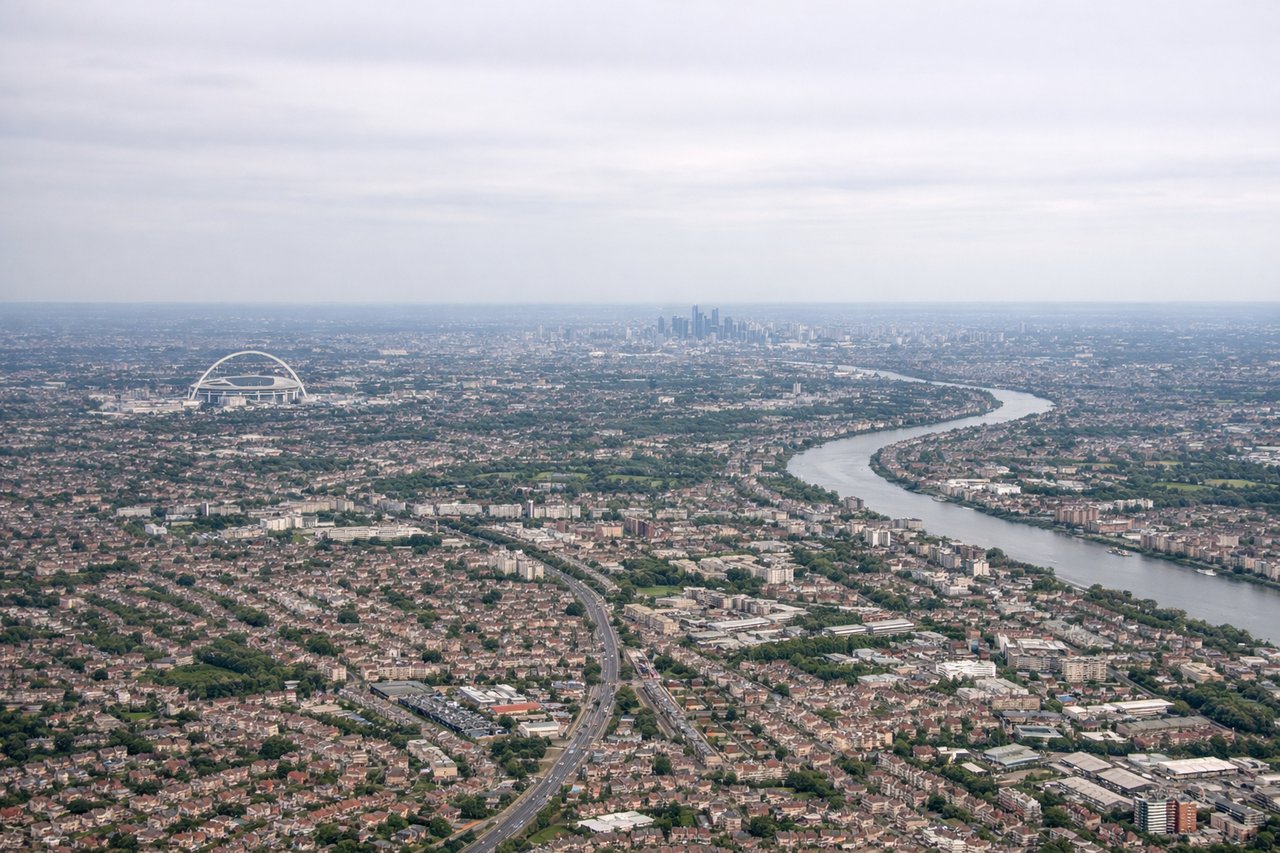
RIGHTHeathrow departures heading east on runway 27L/27R (westerly wind operations) or 09L/09R mean the aircraft typically climbs out over or turns toward central London. Right side gives you the Thames snaking through the city, the City of London skyline, and Canary Wharf as the plane banks northeast toward the continent.
Landing at HIJ
LEFTHiroshima Airport sits in the mountains northeast of the city. Approaches from the west or northwest on runway 28 put the Seto Inland Sea and the islands of the Geiyo Archipelago on the left side, with Hiroshima city and its delta visible below and to the left as the aircraft descends over the coastal plain.
Landmarks on this routeAll landmarks →
Will your flight be in sunlight?
See exactly which side of the plane gets sun and shade at your departure time.
About This Route
Which side of the plane should I sit on flying from Heathrow (LHR) to Hiroshima (HIJ)?
Sit on the Left side of the plane for the best views on flights from London to Hiroshima. The left side wins overall. While the right side has the better London departure view, the left side delivers the more sustained and dramatic scenery across the full flight: the Alps during the European leg, the Caspian Sea, the Himalayas visible on the horizon during the Central Asian crossing, and the spectacular Seto Inland Sea arrival into Hiroshima.
What can I see during takeoff from Heathrow in London?
During takeoff from Heathrow (LHR), sit on the Right side for the best views. Heathrow departures heading east on runway 27L/27R (westerly wind operations) or 09L/09R mean the aircraft typically climbs out over or turns toward central London. Right side gives you the Thames snaking through the city, the City of London skyline, and Canary Wharf as the plane banks northeast toward the continent. Notable sights include: River Thames bends through central London, Canary Wharf cluster, City of London towers, Windsor Castle and Great Park to the west during initial climb.
What can I see when landing at Hiroshima in Hiroshima?
When landing at Hiroshima (HIJ), sit on the Left side for the best views. Hiroshima Airport sits in the mountains northeast of the city. Approaches from the west or northwest on runway 28 put the Seto Inland Sea and the islands of the Geiyo Archipelago on the left side, with Hiroshima city and its delta visible below and to the left as the aircraft descends over the coastal plain. Notable sights include: Seto Inland Sea with Geiyo island chains, Hiroshima city delta and river mouths, Miyajima Island (Itsukushima), mountainous Chugoku spine to the north.
How long is the flight from London to Hiroshima?
The flight from Heathrow (LHR) to Hiroshima (HIJ) takes Approximately 12 to 13 hours nonstop, typically operated via connecting hub as nonstop LHR-HIJ is not commonly scheduled — via Tokyo or Osaka adds 14-16 hours total.
What does the London to Hiroshima flight path pass over?
Departing northeast over the North Sea then tracking east across Germany and Austria, the Alps are clearly visible — particularly the Swiss and Austrian Alps with snow-covered peaks. The route then crosses the Black Sea or Caspian Sea depending on routing, followed by the Central Asian steppe of Kazakhstan and Uzbekistan. Over western China the Tian Shan range is visible. The route descends over eastern China and the Yellow Sea before crossing the Korean Peninsula and the Sea of Japan into western Honshu.