The right side captures the two most dramatic visual bookends of the flight — London's skyline at departure and Diamond Head/Waikiki at arrival — while cruise-phase views over Greenland's ice sheet and the Canadian Arctic are also more consistently visible from the north-facing side of the aircraft on this great-circle route.
Flight Path
Southern Greenland ice sheet and coastal fjords, Hudson Bay and Canadian Arctic tundra, Rocky Mountains near the Canada-US border, vast North Pacific Ocean before the Hawaiian Islands
Great circle distance and headings ›.jpeg?width=600)


Phase by phase
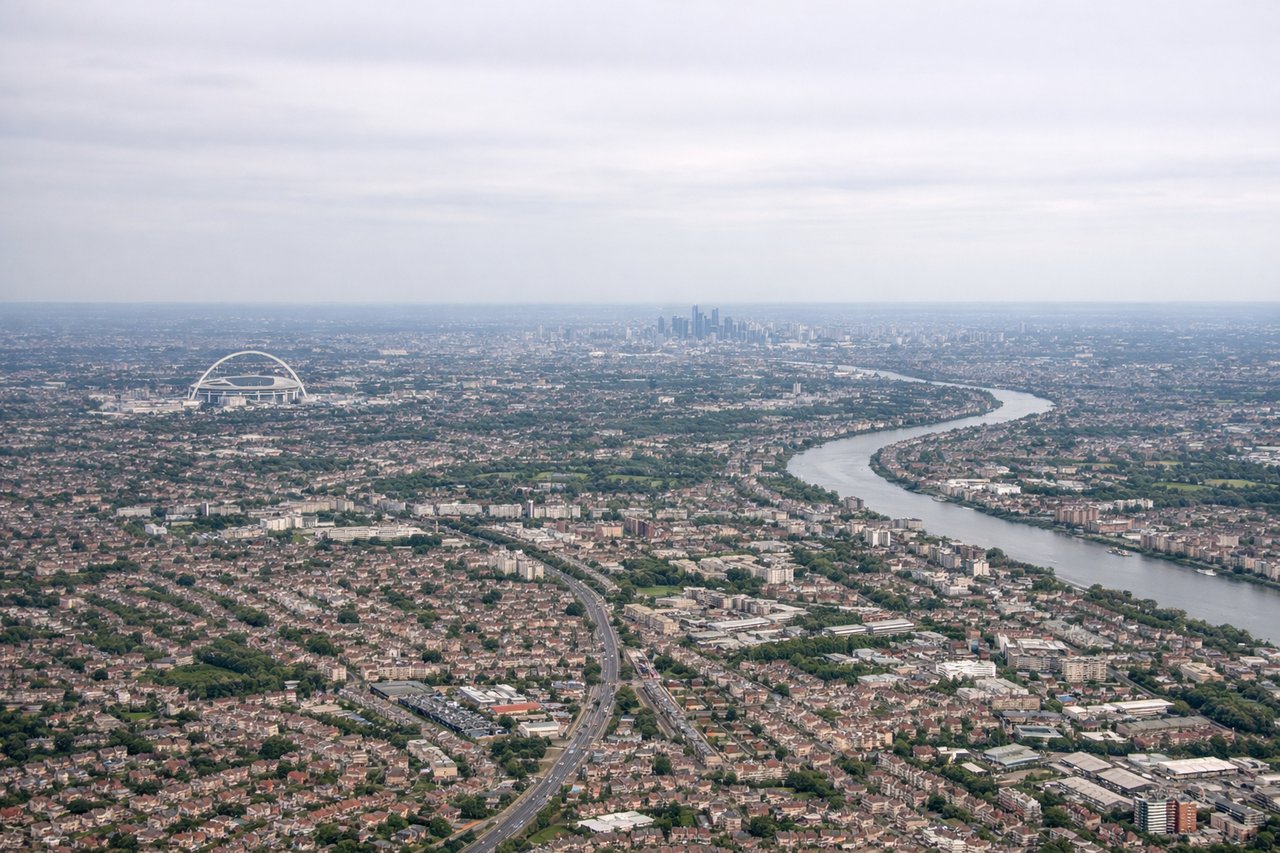
Takeoff from LHR
RIGHTWesterly departures off 27L/27R typically bank right (north) after takeoff, giving a sweeping view of the Thames, Windsor, and the London skyline before the aircraft settles onto its northwesterly track toward the Atlantic. The left side mostly shows the flatter Surrey/Berkshire countryside.
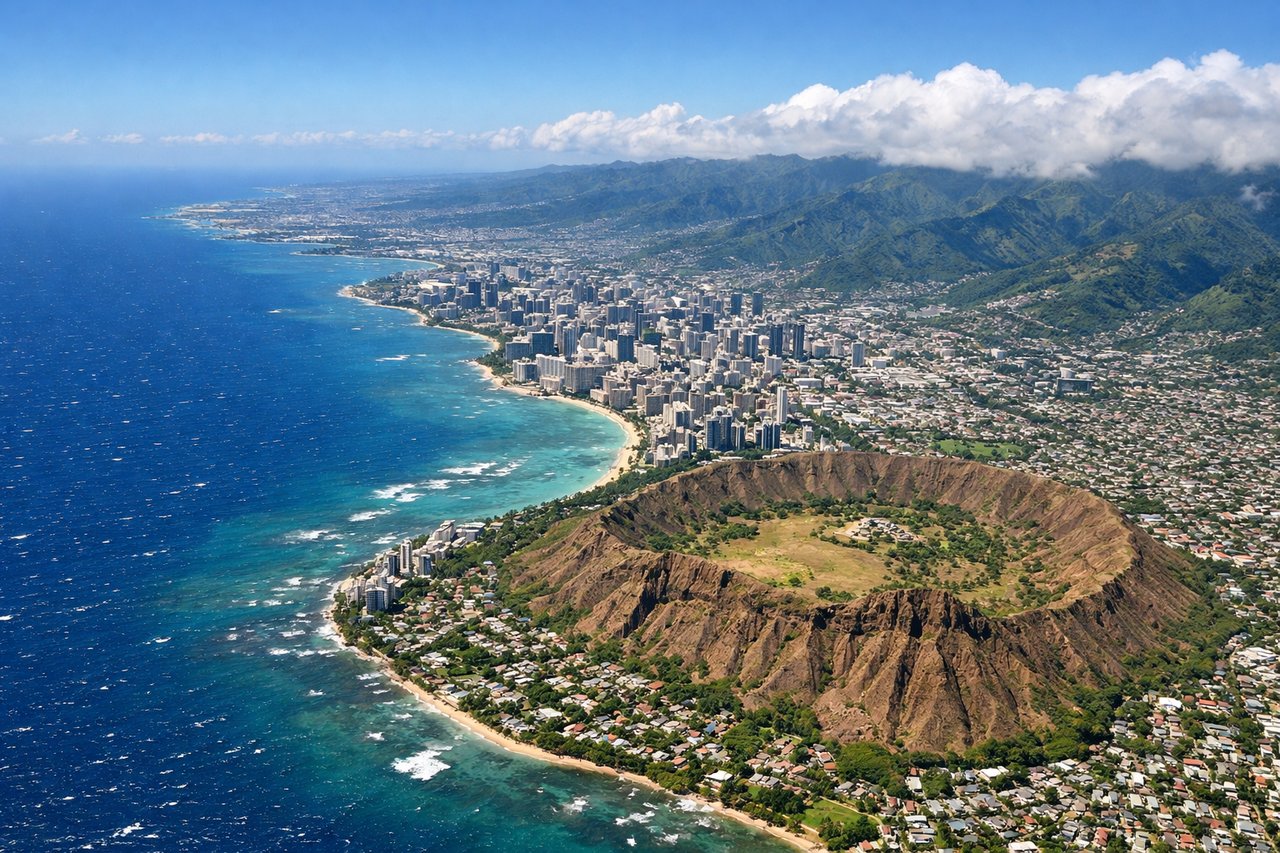
Landing at HNL
RIGHTArrivals into HNL from the northeast typically land on the 08 runways, meaning the final approach heads east over Pearl Harbor and Honolulu. On the right (south) side, passengers get a clear view of Diamond Head, Waikiki's beachfront towers, and the turquoise reef shelf along the south shore.
Landmarks on this routeAll landmarks →
Will your flight be in sunlight?
See exactly which side of the plane gets sun and shade at your departure time.
About This Route
Which side of the plane should I sit on flying from Heathrow (LHR) to Honolulu International (HNL)?
Sit on the Right side of the plane for the best views on flights from London to Honolulu. The right side captures the two most dramatic visual bookends of the flight — London's skyline at departure and Diamond Head/Waikiki at arrival — while cruise-phase views over Greenland's ice sheet and the Canadian Arctic are also more consistently visible from the north-facing side of the aircraft on this great-circle route.
What can I see during takeoff from Heathrow in London?
During takeoff from Heathrow (LHR), sit on the Right side for the best views. Westerly departures off 27L/27R typically bank right (north) after takeoff, giving a sweeping view of the Thames, Windsor, and the London skyline before the aircraft settles onto its northwesterly track toward the Atlantic. The left side mostly shows the flatter Surrey/Berkshire countryside. Notable sights include: River Thames loops, Windsor Castle, London skyline (The Shard, Canary Wharf), M25 orbital corridor.
What can I see when landing at Honolulu International in Honolulu?
When landing at Honolulu International (HNL), sit on the Right side for the best views. Arrivals into HNL from the northeast typically land on the 08 runways, meaning the final approach heads east over Pearl Harbor and Honolulu. On the right (south) side, passengers get a clear view of Diamond Head, Waikiki's beachfront towers, and the turquoise reef shelf along the south shore. Notable sights include: Diamond Head crater, Waikiki Beach skyline, Honolulu Harbor, coral reef shallows.
How long is the flight from London to Honolulu?
The flight from Heathrow (LHR) to Honolulu International (HNL) takes 12h 50m.
What does the London to Honolulu flight path pass over?
Southern Greenland ice sheet and coastal fjords, Hudson Bay and Canadian Arctic tundra, Rocky Mountains near the Canada-US border, vast North Pacific Ocean before the Hawaiian Islands