Right-side seats offer the most consistent and dramatic views: the Tagus estuary and Cascais coastline during departure, and the approach over the river and city during landing. The flight path northward over the Atlantic provides less dramatic scenery on the left.
Flown LIS to RKV? Did we get it right?
Flight Path
Lisbon to Reykjavik is 1,828 miles (2,942 km), a flight of about 4 hours 10 minutes.
The flight crosses the Atlantic at cruise altitude (31,000-35,000 feet). Roughly 90 minutes into the flight, you'll pass west of the Irish coast (not typically visible due to altitude and distance). The Bay of Biscay lies to the left (east) during the northbound climb. As you approach Iceland, the Mid-Atlantic Ridge features and Iceland's volcanic terrain become visible in the final 30 minutes—the Reykjanes Peninsula's dark lava fields are distinctive on approach to Keflavik International Airport.
Great circle distance and headings ›Phase by phase
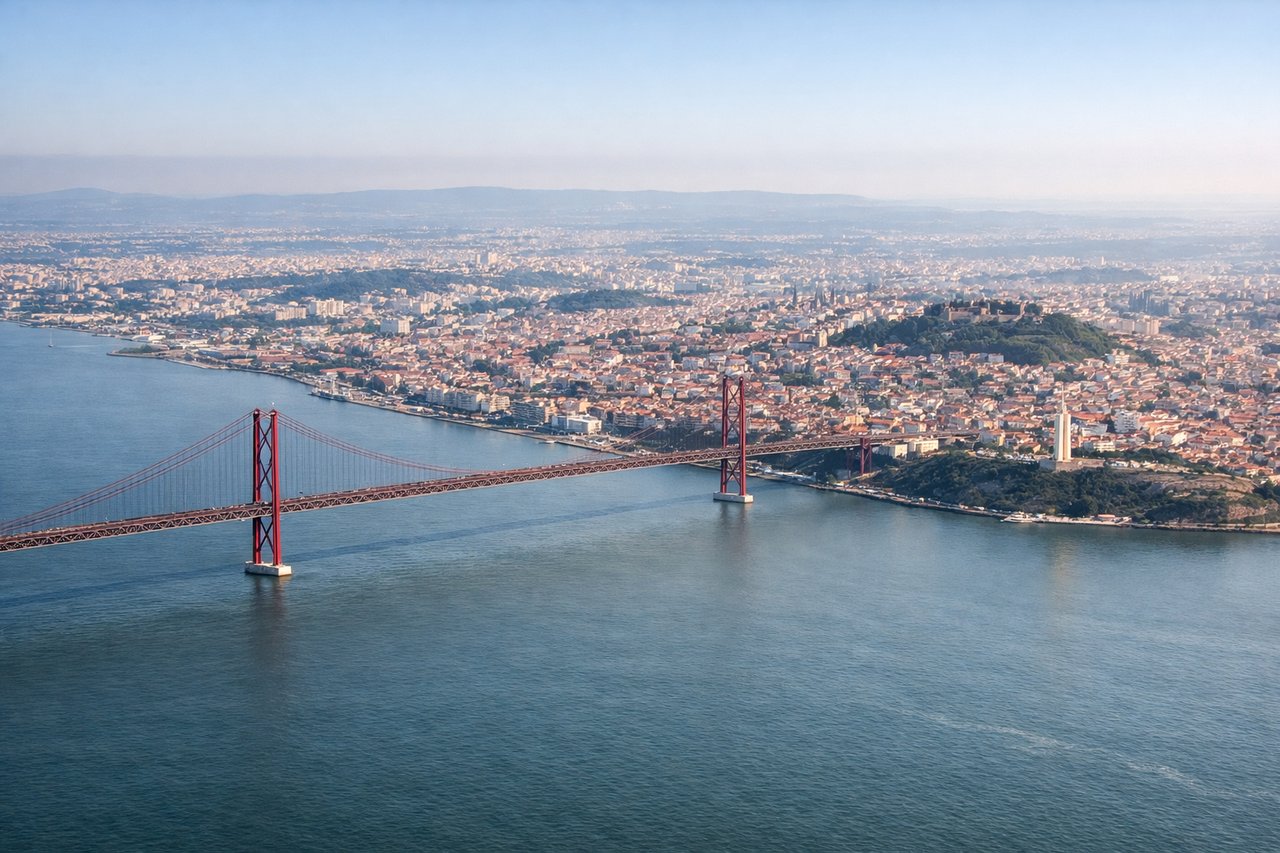
Takeoff from LIS
RIGHTLisbon typically departs runway 03 (northeast) or 21 (southwest). Right-side seats offer the best view of the Tagus River estuary and the city's western waterfront during initial climb. If departing 03, you'll see the river bend and Cascais coastline to your right; if 21, the right side captures the Sintra-Cascais mountain range receding northward.
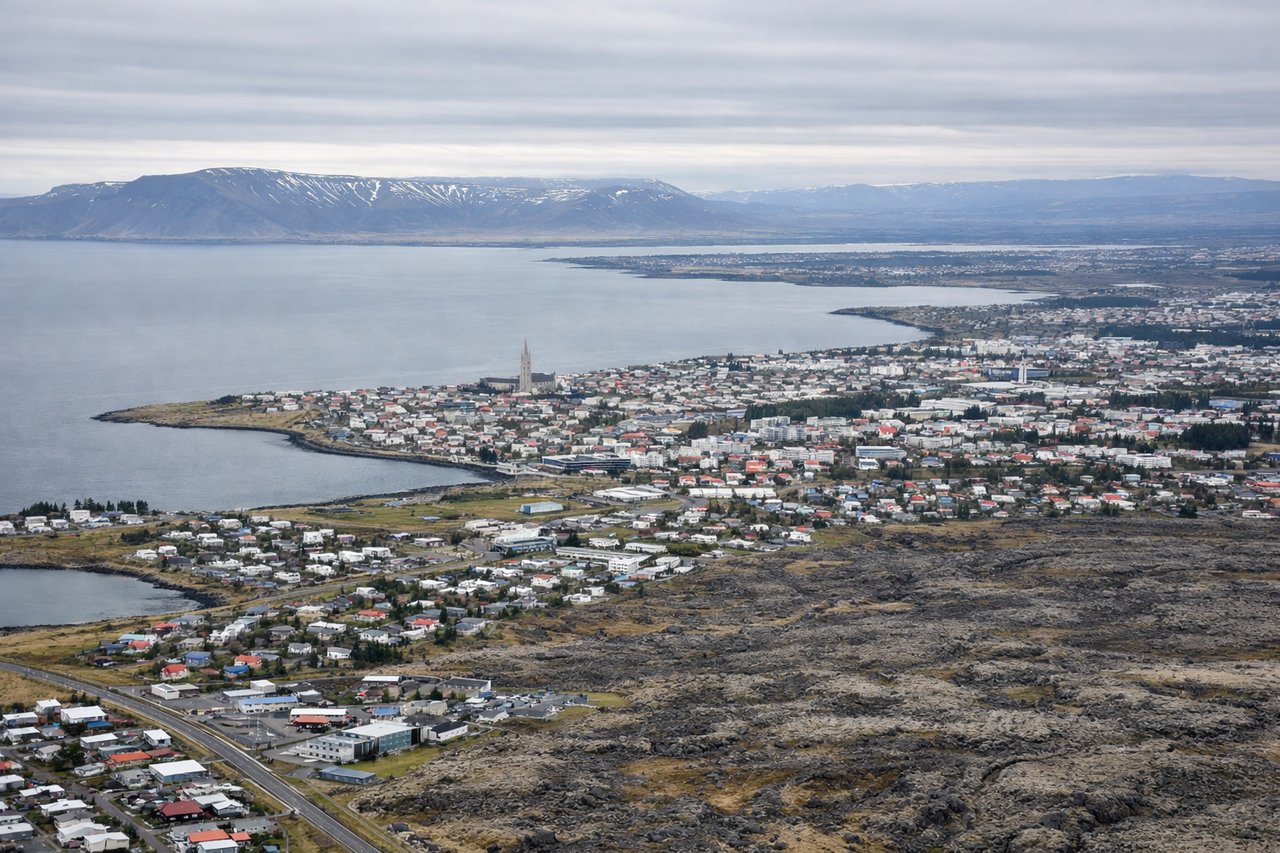
Landing at RKV
LEFTApproaching Lisbon on runway 03 or 21, left-side seats provide superior views during descent. On approach to 03 (northeast), the left side shows the Sintra hills and the approach path over the Tagus. On approach to 21 (southwest), left seats capture the river bend and the city's southern districts as you descend toward the airport on the north bank.
Will your flight be in sunlight?
Pick a date and time in the Sun Map to watch the sun move across your whole flight.
About This Route
Which side of the plane should I sit on flying from Lisboa (LIS) to Reykjavik (RKV)?
Sit on the Right side of the plane for the best views on flights from Lisbon to Reykjavik. Right-side seats offer the most consistent and dramatic views: the Tagus estuary and Cascais coastline during departure, and the approach over the river and city during landing. The flight path northward over the Atlantic provides less dramatic scenery on the left.
What can I see during takeoff from Lisboa in Lisbon?
During takeoff from Lisboa (LIS), sit on the Right side for the best views. Lisbon typically departs runway 03 (northeast) or 21 (southwest). Right-side seats offer the best view of the Tagus River estuary and the city's western waterfront during initial climb. If departing 03, you'll see the river bend and Cascais coastline to your right; if 21, the right side captures the Sintra-Cascais mountain range receding northward. Notable sights include: Tagus River estuary, Cascais coastal town, Sintra mountain ridge, Cristo Rei monument (south bank).
What can I see when landing at Reykjavik in Reykjavik?
When landing at Reykjavik (RKV), sit on the Left side for the best views. Approaching Lisbon on runway 03 or 21, left-side seats provide superior views during descent. On approach to 03 (northeast), the left side shows the Sintra hills and the approach path over the Tagus. On approach to 21 (southwest), left seats capture the river bend and the city's southern districts as you descend toward the airport on the north bank. Notable sights include: Sintra mountain range, Tagus River, Lisbon city center, Almada district (south bank).
How long is the flight from Lisbon to Reykjavik?
The flight from Lisboa (LIS) to Reykjavik (RKV) takes about 4 hours 10 minutes. The shortest flight path between them is 1,828 miles (2,942 km); winds and air traffic control usually add a few percent.
What does the Lisbon to Reykjavik flight path pass over?
The flight crosses the Atlantic at cruise altitude (31,000-35,000 feet). Roughly 90 minutes into the flight, you'll pass west of the Irish coast (not typically visible due to altitude and distance). The Bay of Biscay lies to the left (east) during the northbound climb. As you approach Iceland, the Mid-Atlantic Ridge features and Iceland's volcanic terrain become visible in the final 30 minutes—the Reykjanes Peninsula's dark lava fields are distinctive on approach to Keflavik International Airport.