The left side delivers a stronger narrative across the whole flight: Manchester and the Peak District at takeoff, a good look at the Alps and the Adriatic/Balkan coastline during cruise, and a scenic Athens-and-Acropolis approach for landing, while the right side spends most of the flight over comparatively featureless farmland, the Italian peninsula's interior, and open sea.
Flight Path
Manchester to Athens is 1,638 miles (2,637 km), a flight of about 3 hours 50 minutes.
The great-circle route carries the flight over northern France, close to the Alps near the Swiss-Italian border (Lake Garda area), then across the Adriatic Sea past the Albanian/Montenegrin coastline, over the Ionian Sea, and across mainland Greece toward Athens.
Great circle distance and headings ›


Phase by phase
Takeoff from MAN
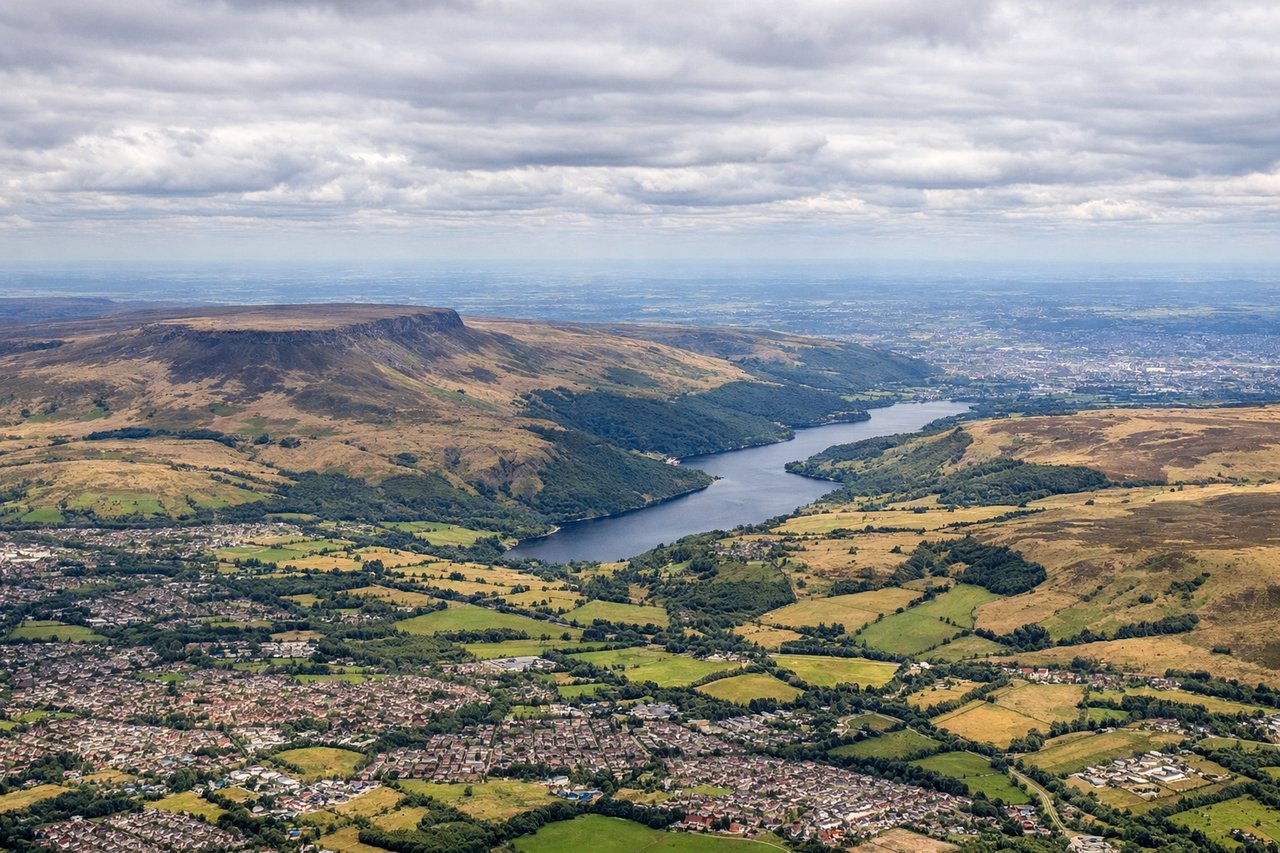
LEFTDeparting Manchester on runway 23 the aircraft banks left onto its southeasterly course, putting Manchester's city center and the Peak District's hills and gritstone edges right below the left-side windows. The right side mostly shows the flatter Lancashire/Cheshire countryside with only distant views toward the Lake District fells.
Landing at ATH
LEFTWith meltemi-driven northerly winds, arrivals land on runway 03L approaching from the south over the Saronic Gulf, so the final turn puts Athens' cityscape, the Acropolis hill, and Piraeus harbor on the left side. The right side instead faces open Aegean water with little to see.
Landmarks on this routeAll landmarks →
Will your flight be in sunlight?
Pick a date and time in the Sun Map to watch the sun move across your whole flight.
About This Route
Which side of the plane should I sit on flying from Manchester (MAN) to Athens International Eleftherios Venizelos (ATH)?
Sit on the Left side of the plane for the best views on flights from Manchester to Athens. The left side delivers a stronger narrative across the whole flight: Manchester and the Peak District at takeoff, a good look at the Alps and the Adriatic/Balkan coastline during cruise, and a scenic Athens-and-Acropolis approach for landing, while the right side spends most of the flight over comparatively featureless farmland, the Italian peninsula's interior, and open sea.
What can I see during takeoff from Manchester in Manchester?
During takeoff from Manchester (MAN), sit on the Left side for the best views. Departing Manchester on runway 23 the aircraft banks left onto its southeasterly course, putting Manchester's city center and the Peak District's hills and gritstone edges right below the left-side windows. The right side mostly shows the flatter Lancashire/Cheshire countryside with only distant views toward the Lake District fells. Notable sights include: Manchester city skyline, Peak District National Park hills, Cheshire Plain farmland, River Mersey valley.
What can I see when landing at Athens International Eleftherios Venizelos in Athens?
When landing at Athens International Eleftherios Venizelos (ATH), sit on the Left side for the best views. With meltemi-driven northerly winds, arrivals land on runway 03L approaching from the south over the Saronic Gulf, so the final turn puts Athens' cityscape, the Acropolis hill, and Piraeus harbor on the left side. The right side instead faces open Aegean water with little to see. Notable sights include: Acropolis and Athens city sprawl, Piraeus port, Saronic Gulf coastline, Mount Hymettus ridge.
How long is the flight from Manchester to Athens?
The flight from Manchester (MAN) to Athens International Eleftherios Venizelos (ATH) takes about 3 hours 50 minutes. The shortest flight path between them is 1,638 miles (2,637 km); winds and air traffic control usually add a few percent.
What does the Manchester to Athens flight path pass over?
The great-circle route carries the flight over northern France, close to the Alps near the Swiss-Italian border (Lake Garda area), then across the Adriatic Sea past the Albanian/Montenegrin coastline, over the Ionian Sea, and across mainland Greece toward Athens.