While Manchester's departure offers modest moorland and urban scenery (2.5), Boston's landing approach significantly outweighs it with dramatic harbor geography, coastal features, and urban skyline views (3.0). The right side captures the most visually distinctive and recognizable features of the entire transatlantic journey, particularly during the final descent into one of North America's most geographically interesting major airports.
Flight Path
Transatlantic crossing over the North Atlantic with no significant landmarks visible for approximately 5 hours. The route passes north of Newfoundland and south of Greenland at cruise altitude. Departure from Manchester crosses the Irish Sea and Atlantic approaches; arrival into Boston crosses the Nova Scotia coast and New England before reaching the Massachusetts coastline. The mid-ocean portion offers only open water, occasional cloud formations, and rare glimpses of the Mid-Atlantic Ridge area, but these are not visually distinctive from altitude.
Great circle distance and headings ›Phase by phase
Takeoff from MAN
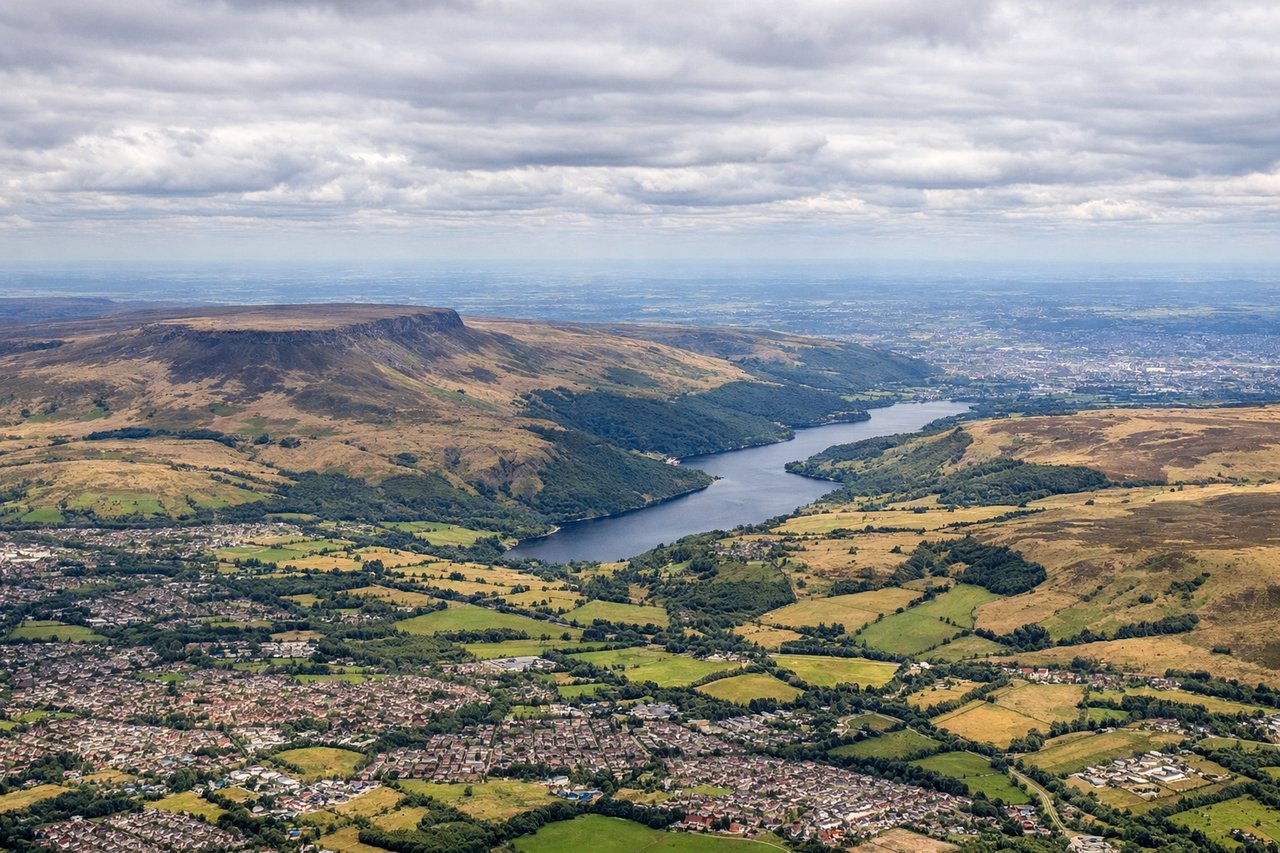
LEFTManchester's departure to the west offers views of the Pennine Hills and the industrial landscape of Greater Manchester. The left side captures the moorland terrain and urban sprawl of northwest England during climb-out, providing more visual interest than the flat terrain to the right.
Landing at BOS
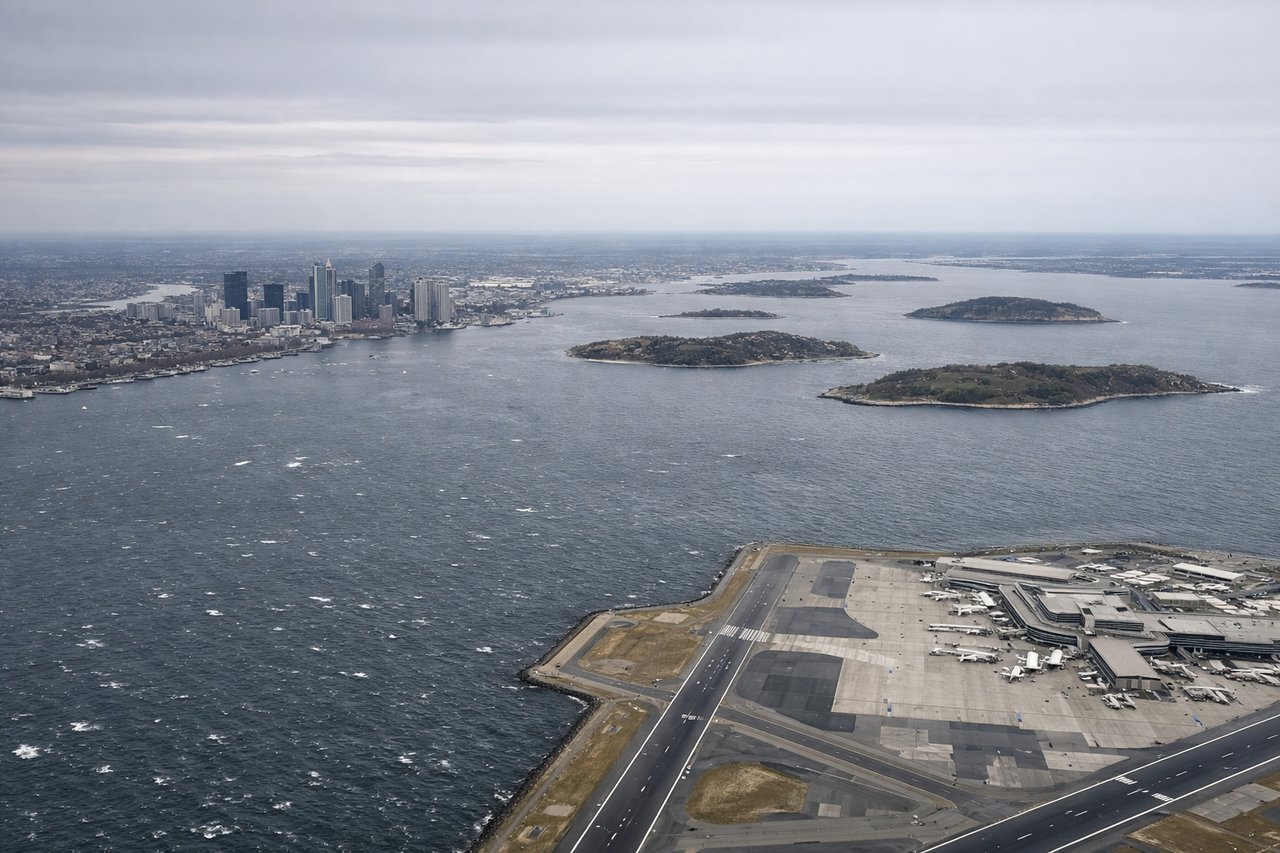
RIGHTThe right side during Boston approach captures the Atlantic coastline, Boston Harbor, and the distinctive urban geography of the Greater Boston area. The approach path typically brings aircraft over the harbor and coastal features, making the right side superior for viewing the harbor islands, waterfront, and city skyline.
Landmarks on this routeAll landmarks →
Will your flight be in sunlight?
See exactly which side of the plane gets sun and shade at your departure time.
About This Route
Which side of the plane should I sit on flying from Manchester (MAN) to General Edward Lawrence Logan International (BOS)?
Sit on the Right side of the plane for the best views on flights from Manchester to Boston. While Manchester's departure offers modest moorland and urban scenery (2.5), Boston's landing approach significantly outweighs it with dramatic harbor geography, coastal features, and urban skyline views (3.0). The right side captures the most visually distinctive and recognizable features of the entire transatlantic journey, particularly during the final descent into one of North America's most geographically interesting major airports.
What can I see during takeoff from Manchester in Manchester?
During takeoff from Manchester (MAN), sit on the Left side for the best views. Manchester's departure to the west offers views of the Pennine Hills and the industrial landscape of Greater Manchester. The left side captures the moorland terrain and urban sprawl of northwest England during climb-out, providing more visual interest than the flat terrain to the right. Notable sights include: Pennine Hills (southeast of Manchester), Greater Manchester urban area, Cheshire Plain (to the south), Irish Sea coastline (distant, northwest).
What can I see when landing at General Edward Lawrence Logan International in Boston?
When landing at General Edward Lawrence Logan International (BOS), sit on the Right side for the best views. The right side during Boston approach captures the Atlantic coastline, Boston Harbor, and the distinctive urban geography of the Greater Boston area. The approach path typically brings aircraft over the harbor and coastal features, making the right side superior for viewing the harbor islands, waterfront, and city skyline. Notable sights include: Boston Harbor with harbor islands (Georges Island, Spectacle Island), Atlantic coastline, Charles River estuary, Boston city skyline and downtown district.
How long is the flight from Manchester to Boston?
The flight from Manchester (MAN) to General Edward Lawrence Logan International (BOS) takes 7h 15m.
What does the Manchester to Boston flight path pass over?
Transatlantic crossing over the North Atlantic with no significant landmarks visible for approximately 5 hours. The route passes north of Newfoundland and south of Greenland at cruise altitude. Departure from Manchester crosses the Irish Sea and Atlantic approaches; arrival into Boston crosses the Nova Scotia coast and New England before reaching the Massachusetts coastline. The mid-ocean portion offers only open water, occasional cloud formations, and rare glimpses of the Mid-Atlantic Ridge area, but these are not visually distinctive from altitude.