The left side wins on both ends of the flight — a brief glimpse of the Welsh coastline at departure and, more importantly, the dramatic turquoise Caribbean waters, reef, and Isla Mujeres during the Cancun approach. The right side spends most of the flight over featureless open ocean.
Flight Path
Extended crossing of the open North Atlantic Ocean, passing south of Newfoundland's Grand Banks with no land visible for several hours before nearing the Bahamas and Cuban coastline.
Great circle distance and headings ›Phase by phase
Takeoff from MAN
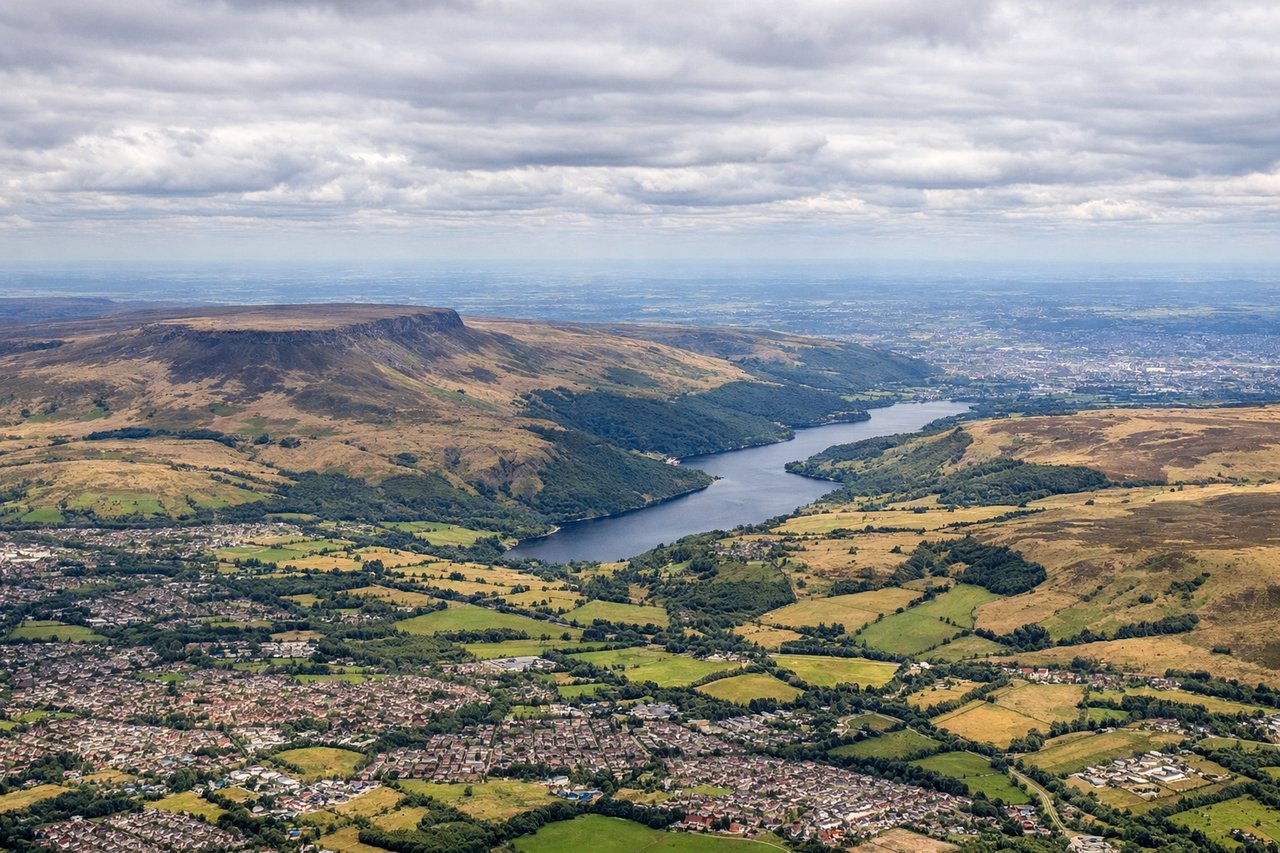
LEFTDeparting Manchester on runway 23, the climb-out curves the aircraft southwest, and on the left side passengers can catch a glimpse of the Welsh hills and the Irish Sea coast before the route heads out over the Atlantic. The right side mostly shows the flat Cheshire and Pennine lowlands.
Landing at CUN
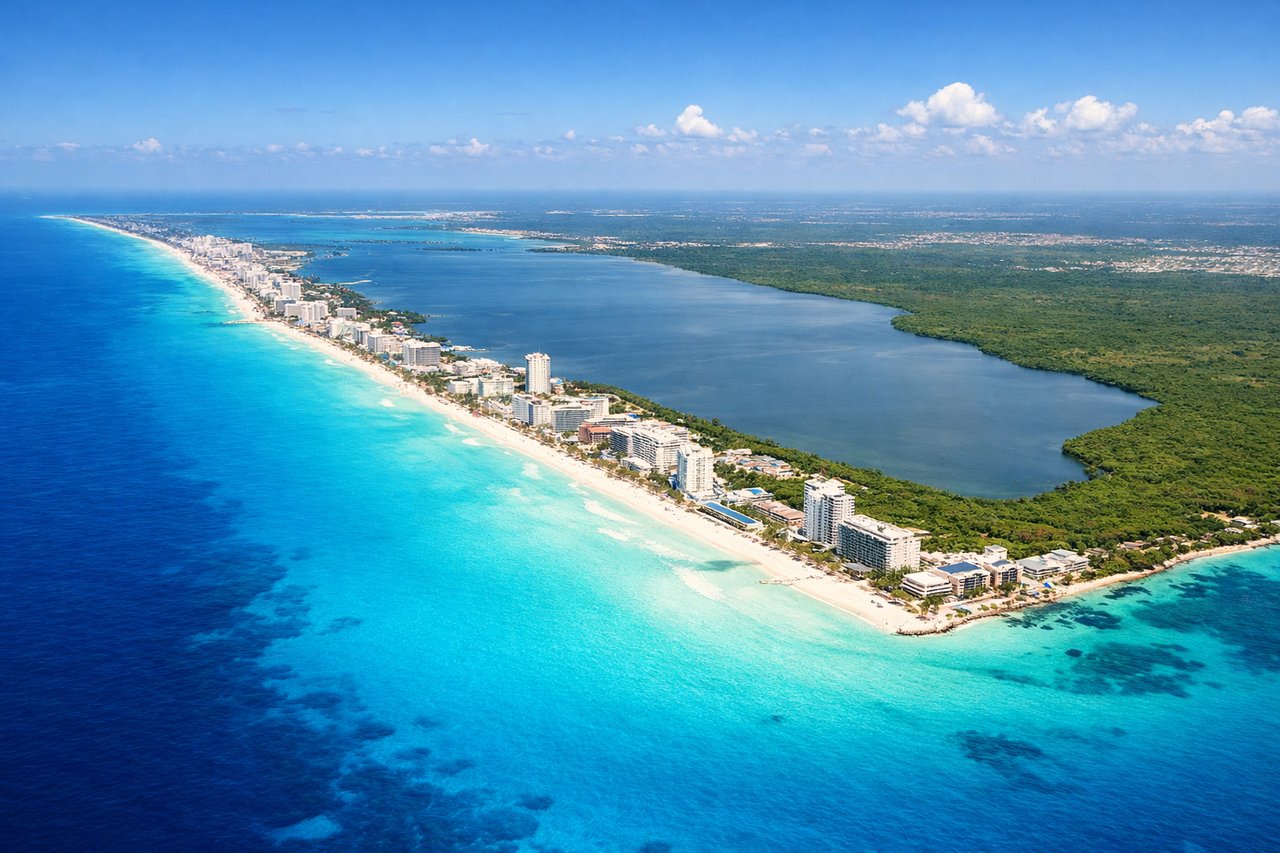
LEFTOn the typical runway 12 approach into Cancun, the aircraft crosses the Caribbean coastline from the northeast, and the left side offers views of the turquoise shallows, coral reef lines, and Isla Mujeres before the final turn over the jungle toward the runway.
Will your flight be in sunlight?
See exactly which side of the plane gets sun and shade at your departure time.
About This Route
Which side of the plane should I sit on flying from Manchester (MAN) to Cancun International (CUN)?
Sit on the Left side of the plane for the best views on flights from Manchester to Cancun. The left side wins on both ends of the flight — a brief glimpse of the Welsh coastline at departure and, more importantly, the dramatic turquoise Caribbean waters, reef, and Isla Mujeres during the Cancun approach. The right side spends most of the flight over featureless open ocean.
What can I see during takeoff from Manchester in Manchester?
During takeoff from Manchester (MAN), sit on the Left side for the best views. Departing Manchester on runway 23, the climb-out curves the aircraft southwest, and on the left side passengers can catch a glimpse of the Welsh hills and the Irish Sea coast before the route heads out over the Atlantic. The right side mostly shows the flat Cheshire and Pennine lowlands. Notable sights include: Welsh hills near the Dee Estuary, Irish Sea coastline, Peak District foothills (distant, right side).
What can I see when landing at Cancun International in Cancun?
When landing at Cancun International (CUN), sit on the Left side for the best views. On the typical runway 12 approach into Cancun, the aircraft crosses the Caribbean coastline from the northeast, and the left side offers views of the turquoise shallows, coral reef lines, and Isla Mujeres before the final turn over the jungle toward the runway. Notable sights include: Isla Mujeres, Cancun's turquoise coastal shelf and reef, Nichupté Lagoon, coastal hotel zone.
How long is the flight from Manchester to Cancun?
The flight from Manchester (MAN) to Cancun International (CUN) takes 10h 45m.
What does the Manchester to Cancun flight path pass over?
Extended crossing of the open North Atlantic Ocean, passing south of Newfoundland's Grand Banks with no land visible for several hours before nearing the Bahamas and Cuban coastline.