Manchester to Jeddah is 3,080 miles (4,957 km), a flight of about 7 hours 15 minutes.
While takeoff offers regional UK scenery, the landing approach into Jeddah provides more visually dramatic and distinctive views: the Red Sea's deep blue waters, coral formations, and the sharp contrast between sea and the Hejaz Mountains create a more memorable window experience than the relatively subdued Pennine moorland visible on departure.
Flight Path
The flight path crosses the North Sea, then proceeds southeast over continental Europe (the Alps visible on clear days), the Mediterranean coast, Egypt (Nile Delta and Nile Valley), the Red Sea, and finally the Arabian Peninsula. Notable midpoint landmarks include: the Alps (if visible during daylight crossing), the Suez Canal region, and the Egyptian Eastern Desert. The Red Sea crossing offers extended views of the water body and its western (African) and eastern (Arabian) coastlines.
Great circle distance and headings ›


.jpg?width=600)
.JPG?width=600)
.jpg?width=600)
Phase by phase
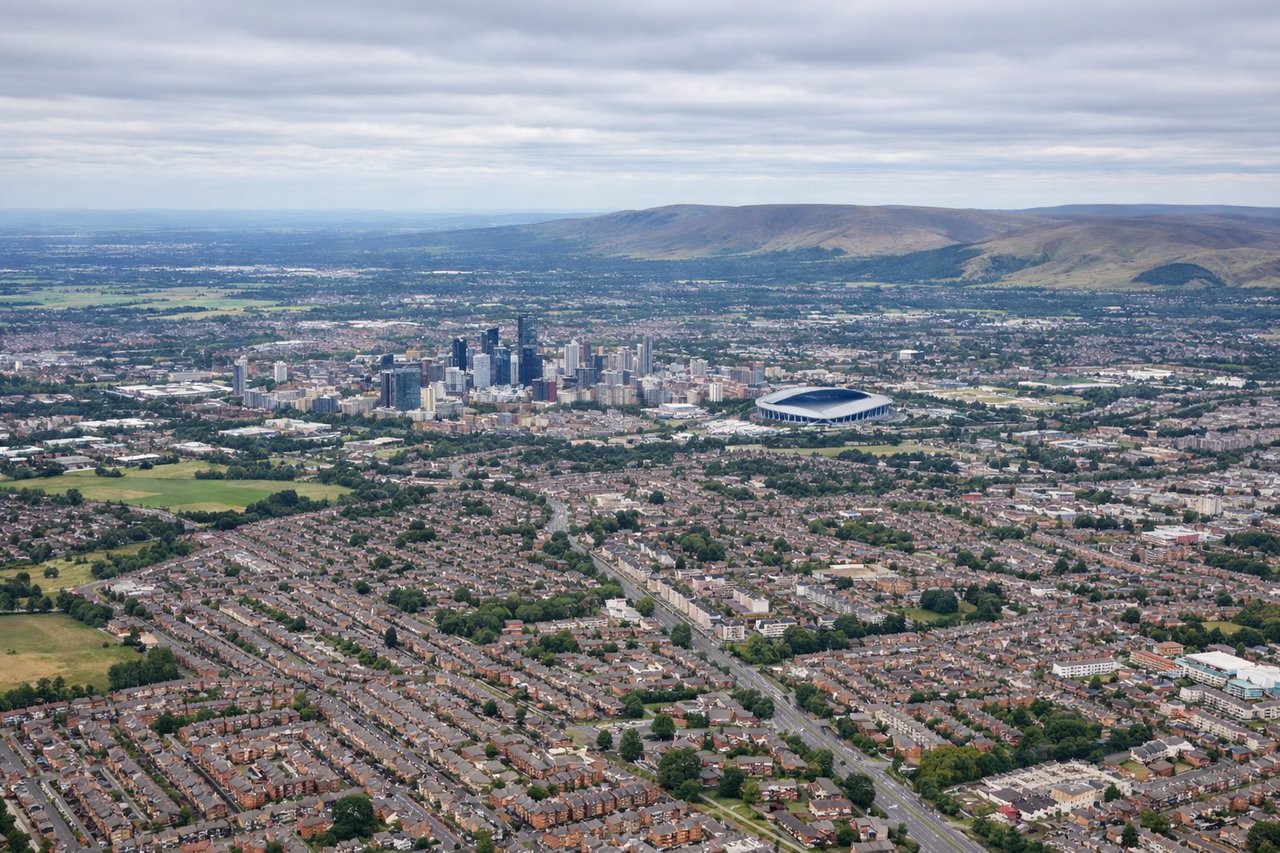
Takeoff from MAN
RIGHTRight-side seats offer views of the Pennine Hills and the industrial landscape of Greater Manchester during the initial climb. The aircraft typically departs runway 05L or 23R; a right-bank turn eastward reveals the moorland terrain and urban sprawl that defines the region's geography.

Landing at JED
LEFTLeft-side seats provide striking views of the Red Sea coastline and the Hejaz Mountains during the descent into Jeddah. The approach typically comes from the northwest over the sea; left-bank turns reveal the dramatic transition from water to the arid Arabian Peninsula and the mountain range that frames the city.
Landmarks on this routeAll landmarks →
Will your flight be in sunlight?
Pick a date and time in the Sun Map to watch the sun move across your whole flight.
About This Route
Which side of the plane should I sit on flying from Manchester (MAN) to King Abdulaziz International (JED)?
Sit on the Left side of the plane for the best views on flights from Manchester to Jeddah. While takeoff offers regional UK scenery, the landing approach into Jeddah provides more visually dramatic and distinctive views: the Red Sea's deep blue waters, coral formations, and the sharp contrast between sea and the Hejaz Mountains create a more memorable window experience than the relatively subdued Pennine moorland visible on departure.
What can I see during takeoff from Manchester in Manchester?
During takeoff from Manchester (MAN), sit on the Right side for the best views. Right-side seats offer views of the Pennine Hills and the industrial landscape of Greater Manchester during the initial climb. The aircraft typically departs runway 05L or 23R; a right-bank turn eastward reveals the moorland terrain and urban sprawl that defines the region's geography. Notable sights include: Pennine Hills (east), Greater Manchester urban area (directly below), Cheshire Plain (southeast), Mersey Estuary (southwest).
What can I see when landing at King Abdulaziz International in Jeddah?
When landing at King Abdulaziz International (JED), sit on the Left side for the best views. Left-side seats provide striking views of the Red Sea coastline and the Hejaz Mountains during the descent into Jeddah. The approach typically comes from the northwest over the sea; left-bank turns reveal the dramatic transition from water to the arid Arabian Peninsula and the mountain range that frames the city. Notable sights include: Red Sea (west and southwest), Hejaz Mountains (east), Jeddah coastal plain (south), Coral reef formations visible offshore.
How long is the flight from Manchester to Jeddah?
The flight from Manchester (MAN) to King Abdulaziz International (JED) takes about 7 hours 15 minutes. The shortest flight path between them is 3,080 miles (4,957 km); winds and air traffic control usually add a few percent.
What does the Manchester to Jeddah flight path pass over?
The flight path crosses the North Sea, then proceeds southeast over continental Europe (the Alps visible on clear days), the Mediterranean coast, Egypt (Nile Delta and Nile Valley), the Red Sea, and finally the Arabian Peninsula. Notable midpoint landmarks include: the Alps (if visible during daylight crossing), the Suez Canal region, and the Egyptian Eastern Desert. The Red Sea crossing offers extended views of the water body and its western (African) and eastern (Arabian) coastlines.