Left seats capture the superior landing approach into Melbourne with Port Phillip Bay and the Dandenong Ranges. The takeoff from Manchester is less visually dominant, making the landing view the deciding factor for this ultra-long-haul route.
Flight Path
This route typically transits the Arabian Peninsula (Oman/UAE region), the Arabian Sea, and the Indian Ocean. Depending on routing, you may see the Persian Gulf, the Strait of Hormuz, or the western coast of India. The flight crosses the equator over the Indian Ocean. Approaching Australia, the Great Australian Bight and the Southern Ocean become visible before reaching Melbourne airspace. Most of the 10,000+ nautical mile journey crosses open ocean with limited landmark visibility.
Great circle distance and headings ›


.jpg?width=600)


Phase by phase
Takeoff from MAN
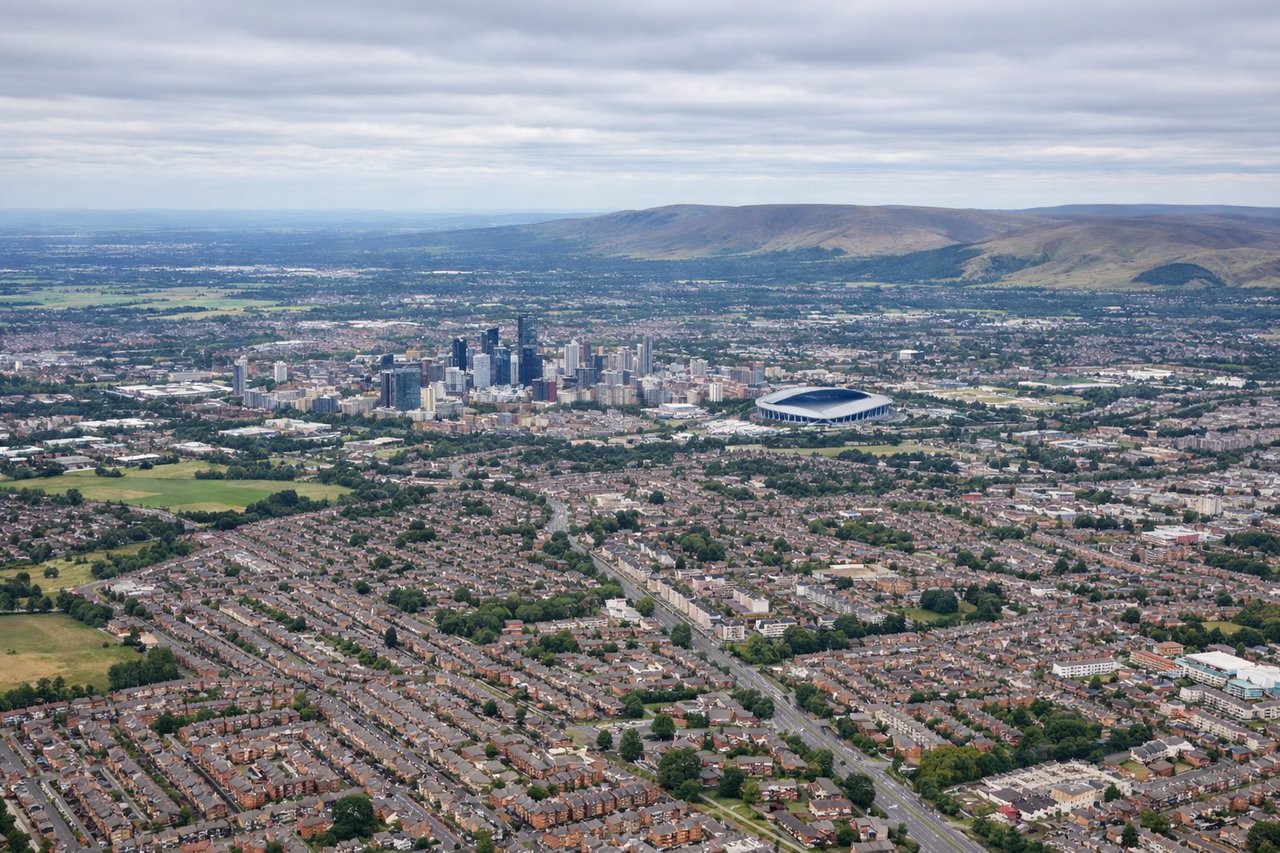
RIGHTManchester typically departs runways 05L/05R or 23L/23R. Right-side seats offer views of the Pennine Hills to the east during eastbound initial climb, and the Manchester Ship Canal and urban sprawl of Greater Manchester below. Left seats face toward the Irish Sea and North Wales, which are less visually distinctive during climb-out.
Landing at MEL
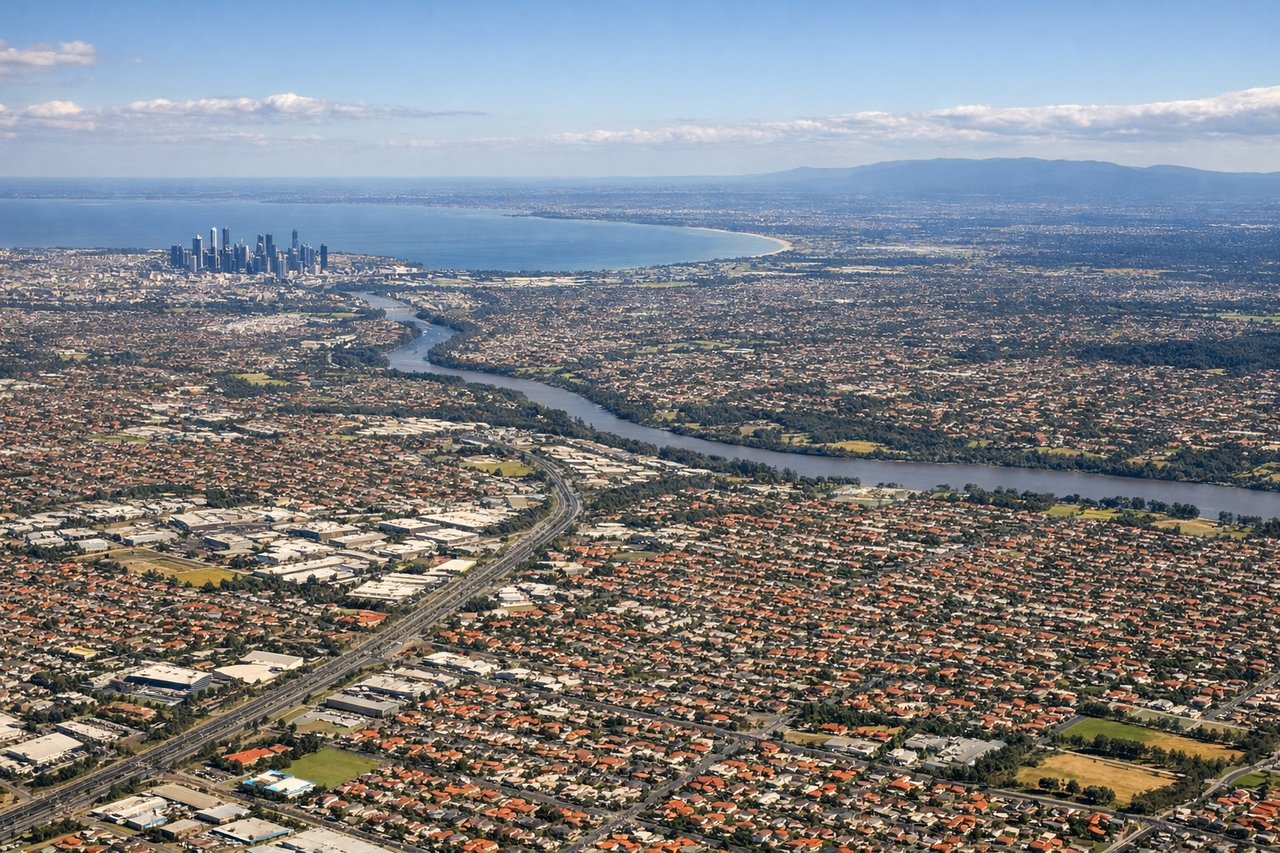
LEFTMelbourne typically lands on runways 09/27. Left-side seats on approach to runway 09 (westbound) provide excellent views of Port Phillip Bay, the Dandenong Ranges to the east, and the Yarra River as it approaches the city. Right seats face inland toward less distinctive terrain.
Landmarks on this routeAll landmarks →
Will your flight be in sunlight?
See exactly which side of the plane gets sun and shade at your departure time.
About This Route
Which side of the plane should I sit on flying from Manchester (MAN) to Melbourne International (MEL)?
Sit on the Left side of the plane for the best views on flights from Manchester to Melbourne. Left seats capture the superior landing approach into Melbourne with Port Phillip Bay and the Dandenong Ranges. The takeoff from Manchester is less visually dominant, making the landing view the deciding factor for this ultra-long-haul route.
What can I see during takeoff from Manchester in Manchester?
During takeoff from Manchester (MAN), sit on the Right side for the best views. Manchester typically departs runways 05L/05R or 23L/23R. Right-side seats offer views of the Pennine Hills to the east during eastbound initial climb, and the Manchester Ship Canal and urban sprawl of Greater Manchester below. Left seats face toward the Irish Sea and North Wales, which are less visually distinctive during climb-out. Notable sights include: Pennine Hills (eastern horizon), Manchester Ship Canal (winding below), Greater Manchester urban grid, Cheshire Plain (southern foreground).
What can I see when landing at Melbourne International in Melbourne?
When landing at Melbourne International (MEL), sit on the Left side for the best views. Melbourne typically lands on runways 09/27. Left-side seats on approach to runway 09 (westbound) provide excellent views of Port Phillip Bay, the Dandenong Ranges to the east, and the Yarra River as it approaches the city. Right seats face inland toward less distinctive terrain. Notable sights include: Port Phillip Bay (dominant water feature), Dandenong Ranges (eastern escarpment), Yarra River (winding through city), Melbourne CBD skyline (final approach).
How long is the flight from Manchester to Melbourne?
The flight from Manchester (MAN) to Melbourne International (MEL) takes Approximately 17-18 hours (including typical routing via Middle East or Southeast Asia).
What does the Manchester to Melbourne flight path pass over?
This route typically transits the Arabian Peninsula (Oman/UAE region), the Arabian Sea, and the Indian Ocean. Depending on routing, you may see the Persian Gulf, the Strait of Hormuz, or the western coast of India. The flight crosses the equator over the Indian Ocean. Approaching Australia, the Great Australian Bight and the Southern Ocean become visible before reaching Melbourne airspace. Most of the 10,000+ nautical mile journey crosses open ocean with limited landmark visibility.