Manchester to Pisa is 882 miles (1,419 km), a flight of about 2 hours 20 minutes.
The left side wins thanks to the Peak District at departure and the Apuan Alps and Tuscan coast at arrival, giving passengers real topographic variety compared to the flatter, less distinct views on the right.
Flight Path
Cruise passes over central France near the Massif Central foothills before crossing into northern Italy, with the western Alps sometimes visible in clear conditions on the left side before descent into Tuscany
Great circle distance and headings ›.jpeg?width=600)

_Panoramica_del_centro_della_citt%C3%A0_dal_lago.jpg?width=600)


.jpg?width=600)

_-_24_(50543603956).jpg?width=600)
Phase by phase
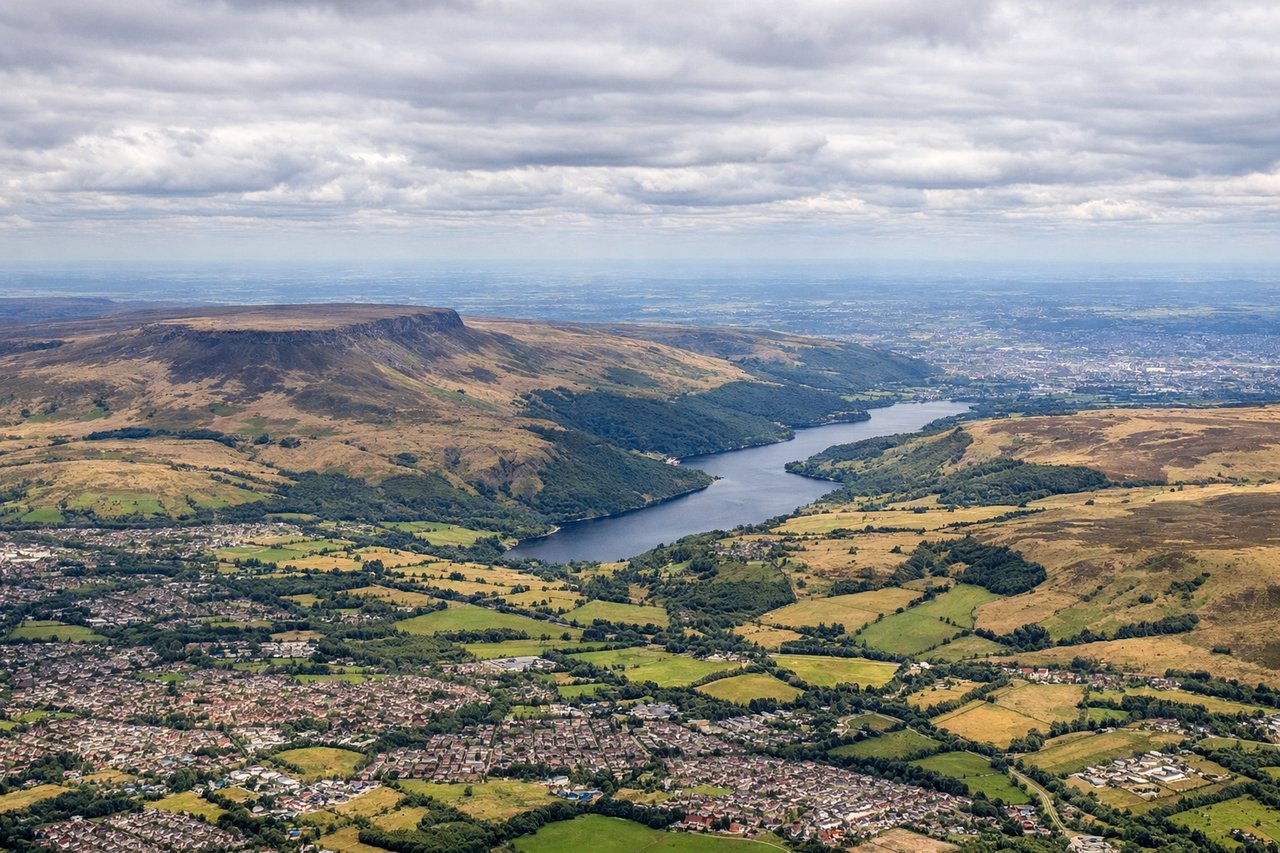
Takeoff from MAN
LEFTClimbing out of Manchester on a southbound track, the left side offers views over the Peak District's rolling hills and gritstone edges, a nice contrast to the flat Cheshire plain visible on the right.
Landing at PSA
LEFTOn the descent into Pisa from the north, the left side reveals the Apuan Alps and northern Apennine foothills rising sharply inland, while the Arno valley and Tuscan coastline become visible just before touchdown.
Landmarks on this routeAll landmarks →
Will your flight be in sunlight?
Pick a date and time in the Sun Map to watch the sun move across your whole flight.
About This Route
Which side of the plane should I sit on flying from Manchester (MAN) to Pisa (PSA)?
Sit on the Left side of the plane for the best views on flights from Manchester to Pisa. The left side wins thanks to the Peak District at departure and the Apuan Alps and Tuscan coast at arrival, giving passengers real topographic variety compared to the flatter, less distinct views on the right.
What can I see during takeoff from Manchester in Manchester?
During takeoff from Manchester (MAN), sit on the Left side for the best views. Climbing out of Manchester on a southbound track, the left side offers views over the Peak District's rolling hills and gritstone edges, a nice contrast to the flat Cheshire plain visible on the right. Notable sights include: Peak District hills, Kinder Scout plateau, Manchester's urban sprawl below.
What can I see when landing at Pisa in Pisa?
When landing at Pisa (PSA), sit on the Left side for the best views. On the descent into Pisa from the north, the left side reveals the Apuan Alps and northern Apennine foothills rising sharply inland, while the Arno valley and Tuscan coastline become visible just before touchdown. Notable sights include: Apuan Alps, Arno River valley, Tuscan coastline near Livorno.
How long is the flight from Manchester to Pisa?
The flight from Manchester (MAN) to Pisa (PSA) takes about 2 hours 20 minutes. The shortest flight path between them is 882 miles (1,419 km); winds and air traffic control usually add a few percent.
What does the Manchester to Pisa flight path pass over?
Cruise passes over central France near the Massif Central foothills before crossing into northern Italy, with the western Alps sometimes visible in clear conditions on the left side before descent into Tuscany