While takeoff favors the right, the landing view from the left is significantly more rewarding—Tokyo Bay and Mount Fuji are iconic and genuinely visible on clear days. The takeoff view, though pleasant, is less distinctive than what you'd see on any westbound Chicago departure. Left side captures the most memorable geography of the entire journey.
Flown MDW to NRT? Did we get it right?
Flight Path
Chicago to Tokyo is 6,275 miles (10,098 km), a flight of about 14 hours.
The flight path crosses the North Pacific, passing north of Hawaii (typically 200+ miles north, not visible). Notable midpoint geography includes the Aleutian Islands region (far to the north of typical routing), the vast open Pacific Ocean, and eventual approach to Japan via the Pacific coast. The route typically passes east of the Japanese archipelago before turning westbound for Narita approach, offering no significant midpoint window views—the Pacific crossing is featureless ocean for 8+ hours.
Great circle distance and headings ›


Phase by phase
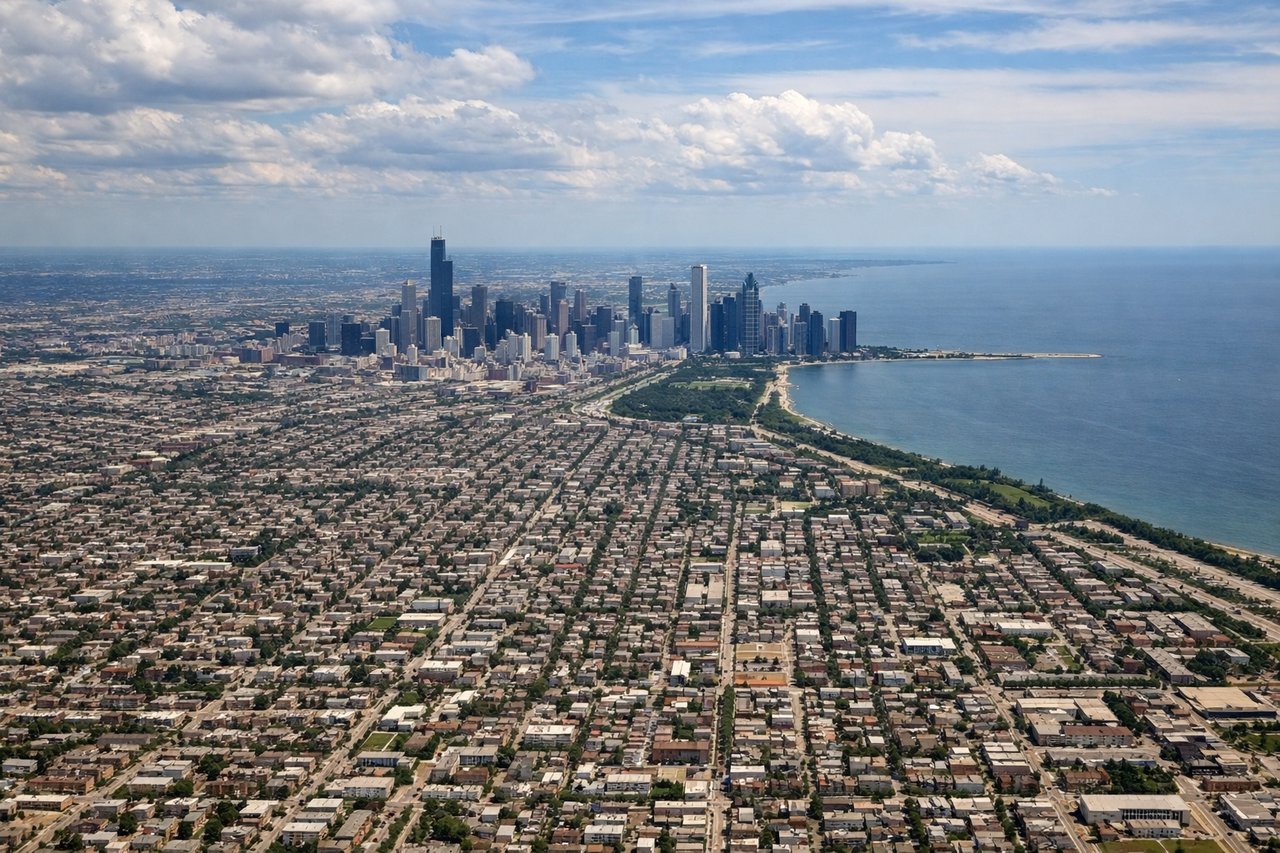
Takeoff from MDW
RIGHTMidway typically departs westbound (runways 04L/04R or 22L/22R depending on wind). Right-side seats face toward the Des Plaines River valley and western Chicago suburbs during initial climb, offering clear views of the urban-rural transition. Left side faces back toward downtown Chicago but at a steep angle that limits visibility during the critical climb-out phase.
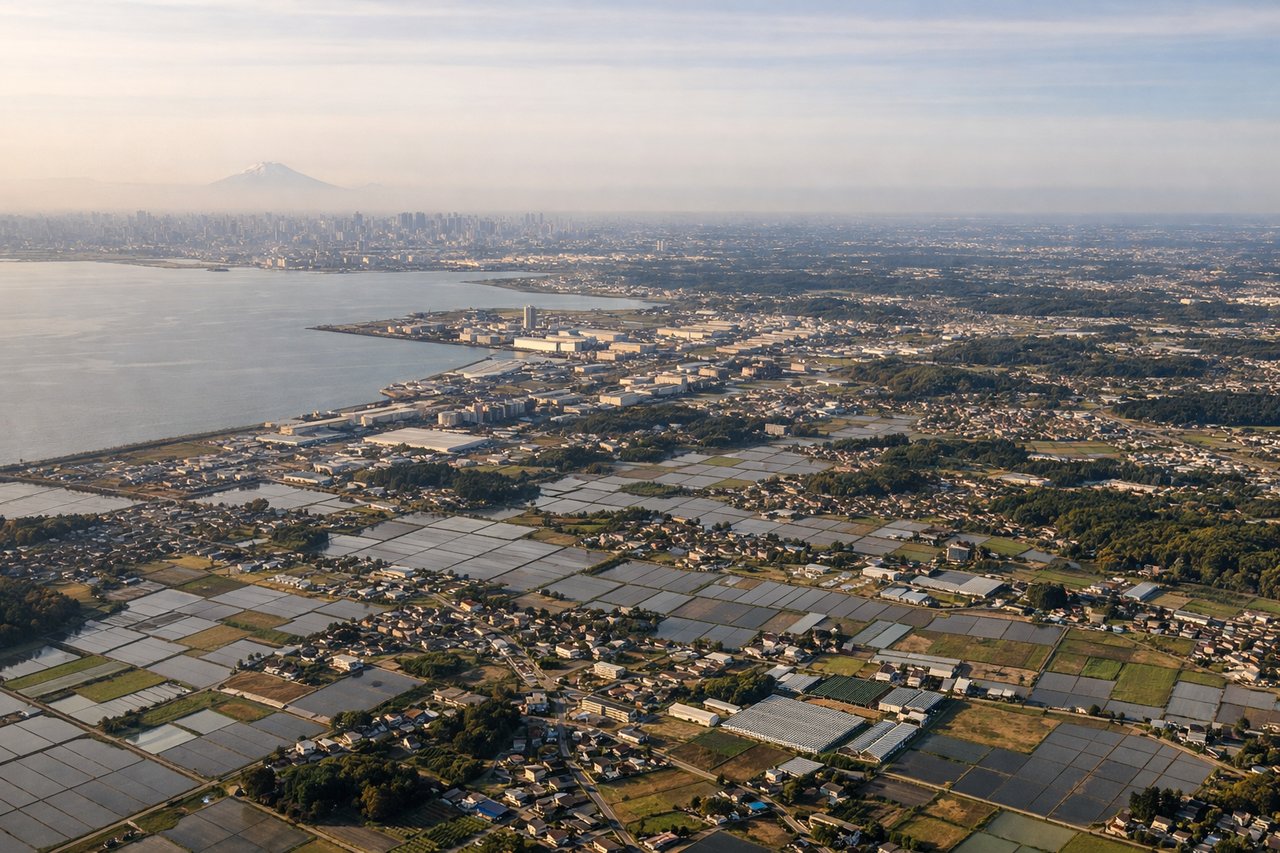
Landing at NRT
LEFTNarita typically uses runways 16L/16R for landing (northeast approach). Left-side seats face toward Tokyo Bay, the Kanto Plain, and Mount Fuji during descent. This provides extended views of Japan's most iconic geography—the bay's distinctive shape, the Boso Peninsula, and on clear days, Fuji's snow-capped cone on the horizon. Right side faces inland toward Chiba Prefecture's industrial areas.
Will your flight be in sunlight?
Pick a date and time in the Sun Map to watch the sun move across your whole flight.
About This Route
Which side of the plane should I sit on flying from Chicago Midway International (MDW) to New Tokyo International (NRT)?
Sit on the Left side of the plane for the best views on flights from Chicago to Tokyo. While takeoff favors the right, the landing view from the left is significantly more rewarding—Tokyo Bay and Mount Fuji are iconic and genuinely visible on clear days. The takeoff view, though pleasant, is less distinctive than what you'd see on any westbound Chicago departure. Left side captures the most memorable geography of the entire journey.
What can I see during takeoff from Chicago Midway International in Chicago?
During takeoff from Chicago Midway International (MDW), sit on the Right side for the best views. Midway typically departs westbound (runways 04L/04R or 22L/22R depending on wind). Right-side seats face toward the Des Plaines River valley and western Chicago suburbs during initial climb, offering clear views of the urban-rural transition. Left side faces back toward downtown Chicago but at a steep angle that limits visibility during the critical climb-out phase. Notable sights include: Des Plaines River (visible as a dark linear feature threading through suburbs), Chicago's western sprawl transitioning to farmland, Salt Creek (parallel waterway to the south), distant tree lines marking the Illinois prairie.
What can I see when landing at New Tokyo International in Tokyo?
When landing at New Tokyo International (NRT), sit on the Left side for the best views. Narita typically uses runways 16L/16R for landing (northeast approach). Left-side seats face toward Tokyo Bay, the Kanto Plain, and Mount Fuji during descent. This provides extended views of Japan's most iconic geography—the bay's distinctive shape, the Boso Peninsula, and on clear days, Fuji's snow-capped cone on the horizon. Right side faces inland toward Chiba Prefecture's industrial areas. Notable sights include: Tokyo Bay (large body of water with distinctive shape), Mount Fuji (visible as distant peak on clear days, 60+ miles away), Boso Peninsula (eastern shore of the bay), Kanto Plain (flat agricultural and urban landscape).
How long is the flight from Chicago to Tokyo?
The flight from Chicago Midway International (MDW) to New Tokyo International (NRT) takes about 14 hours. The shortest flight path between them is 6,275 miles (10,098 km); winds and air traffic control usually add a few percent.
What does the Chicago to Tokyo flight path pass over?
The flight path crosses the North Pacific, passing north of Hawaii (typically 200+ miles north, not visible). Notable midpoint geography includes the Aleutian Islands region (far to the north of typical routing), the vast open Pacific Ocean, and eventual approach to Japan via the Pacific coast. The route typically passes east of the Japanese archipelago before turning westbound for Narita approach, offering no significant midpoint window views—the Pacific crossing is featureless ocean for 8+ hours.