Both sides score equally for the full flight due to the ocean-dominated cruise phase (5+ hours over the Arabian Sea and Indian Ocean), which caps both sides at 2.5. However, the right side edges ahead for landing quality: Bombay's harbor, peninsula, and coastal approach provide more distinctive visual landmarks than Melbourne's departure offers. The takeoff and landing phases are weighted equally in the full-flight experience, making the superior landing view the deciding factor.
Flown MEL to BOM? Did we get it right?
Flight Path
Melbourne to Bombay is 6,093 miles (9,806 km), a flight of about 11 hours 50 minutes.
The cruise phase crosses the Indian Ocean for approximately 5 hours with minimal landmarks. Passengers may glimpse the Maldive Islands (small atolls, difficult to spot at altitude) roughly 4 hours into flight. The Deccan Plateau becomes visible on the right side during descent into Bombay, appearing as elevated terrain with a reddish-brown hue. The Western Ghats mountain range forms a low ridge along India's west coast, visible on the right during final descent.
Great circle distance and headings ›Phase by phase
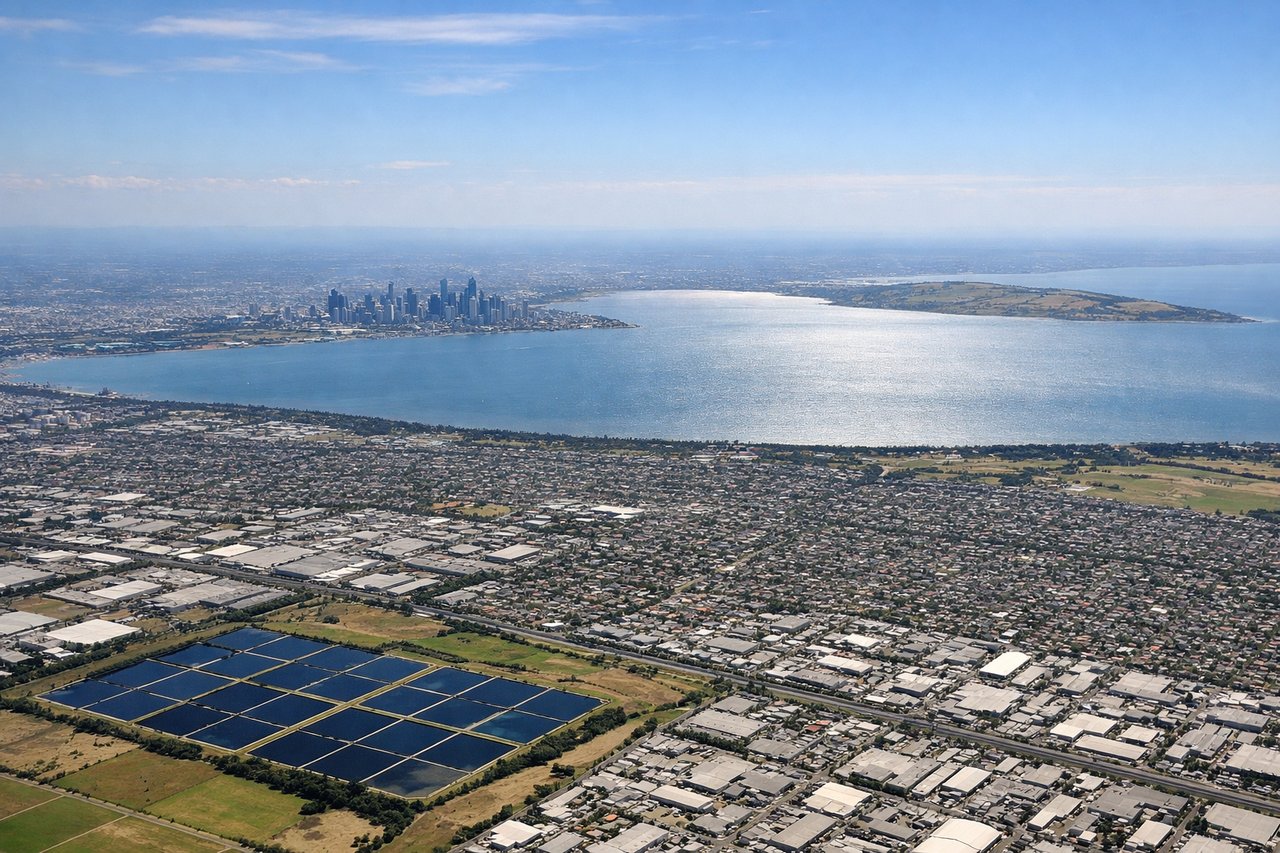
Takeoff from MEL
LEFTMelbourne's urban sprawl and Port Phillip Bay are visible on the left during northbound departure. The bay's distinctive shape and suburban grid provide immediate visual interest during climb-out, whereas the right side shows flat inland plains.
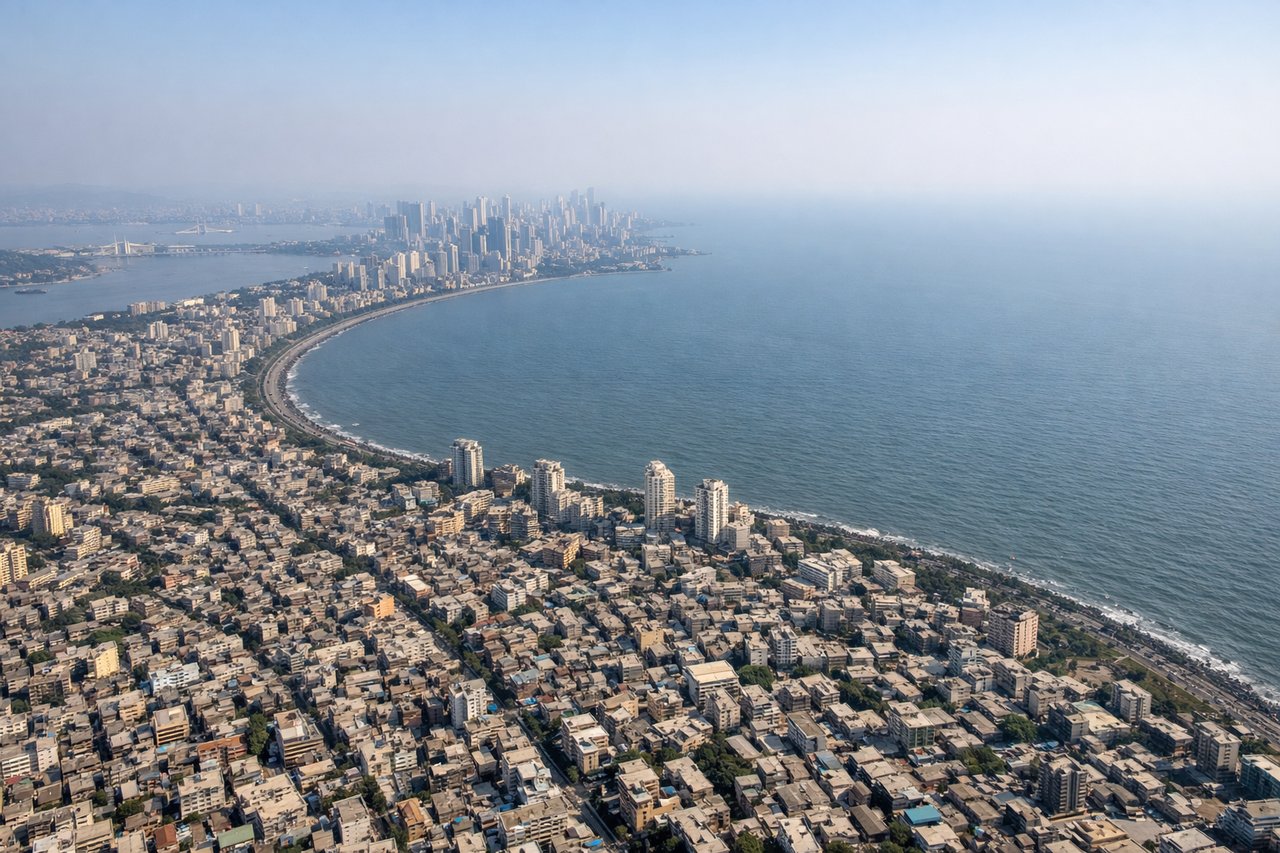
Landing at BOM
RIGHTBombay's approach typically uses runway 09 (eastbound landing) or 27 (westbound), and the right side captures the Arabian Sea coastline, Bombay Harbor, and the city's distinctive peninsular geography during descent. The left side shows inland terrain with less dramatic visual interest.
Will your flight be in sunlight?
Pick a date and time in the Sun Map to watch the sun move across your whole flight.
About This Route
Which side of the plane should I sit on flying from Melbourne International (MEL) to Chhatrapati Shivaji International (BOM)?
Sit on the Right side of the plane for the best views on flights from Melbourne to Bombay. Both sides score equally for the full flight due to the ocean-dominated cruise phase (5+ hours over the Arabian Sea and Indian Ocean), which caps both sides at 2.5. However, the right side edges ahead for landing quality: Bombay's harbor, peninsula, and coastal approach provide more distinctive visual landmarks than Melbourne's departure offers. The takeoff and landing phases are weighted equally in the full-flight experience, making the superior landing view the deciding factor.
What can I see during takeoff from Melbourne International in Melbourne?
During takeoff from Melbourne International (MEL), sit on the Left side for the best views. Melbourne's urban sprawl and Port Phillip Bay are visible on the left during northbound departure. The bay's distinctive shape and suburban grid provide immediate visual interest during climb-out, whereas the right side shows flat inland plains. Notable sights include: Port Phillip Bay, Melbourne CBD skyline, Dandenong Ranges (distant southeast), suburban sprawl of Greater Melbourne.
What can I see when landing at Chhatrapati Shivaji International in Bombay?
When landing at Chhatrapati Shivaji International (BOM), sit on the Right side for the best views. Bombay's approach typically uses runway 09 (eastbound landing) or 27 (westbound), and the right side captures the Arabian Sea coastline, Bombay Harbor, and the city's distinctive peninsular geography during descent. The left side shows inland terrain with less dramatic visual interest. Notable sights include: Arabian Sea, Bombay Harbor, Gateway of India and waterfront district, Colaba Peninsula.
How long is the flight from Melbourne to Bombay?
The flight from Melbourne International (MEL) to Chhatrapati Shivaji International (BOM) takes about 11 hours 50 minutes. The shortest flight path between them is 6,093 miles (9,806 km); winds and air traffic control usually add a few percent.
What does the Melbourne to Bombay flight path pass over?
The cruise phase crosses the Indian Ocean for approximately 5 hours with minimal landmarks. Passengers may glimpse the Maldive Islands (small atolls, difficult to spot at altitude) roughly 4 hours into flight. The Deccan Plateau becomes visible on the right side during descent into Bombay, appearing as elevated terrain with a reddish-brown hue. The Western Ghats mountain range forms a low ridge along India's west coast, visible on the right during final descent.