While takeoff favors the left with a quick Miami Beach glimpse, the right side wins overall thanks to sustained views of the Brazilian coastline during the latter part of cruise and the spectacular Rio approach past Sugarloaf and Corcovado, which are far more dramatic and memorable than the mostly ocean-dominated left side.
Flight Path
Open Caribbean Sea giving way to the Atlantic Ocean east of the Lesser Antilles, with the flight path passing well offshore of Venezuela, Guyana, Suriname, and the Amazon River delta before angling southeast along the Brazilian coast toward Rio.
Great circle distance and headings ›

Phase by phase
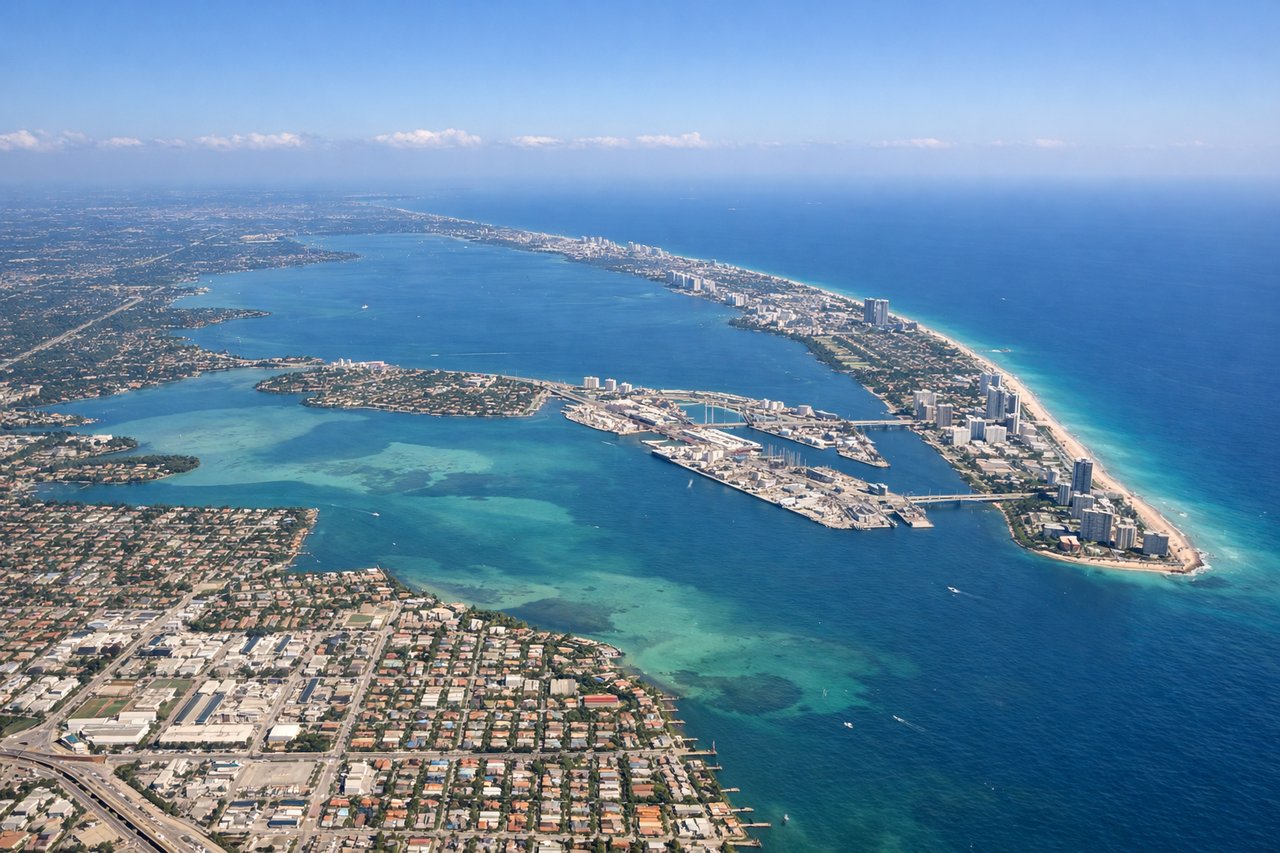
Takeoff from MIA
LEFTDeparting MIA to the south, the initial turn puts Miami Beach, Biscayne Bay, and the barrier islands on the left, giving a brief but vivid coastal city view before the route heads out over open water. The right side mostly shows flat Everglades and suburban sprawl.
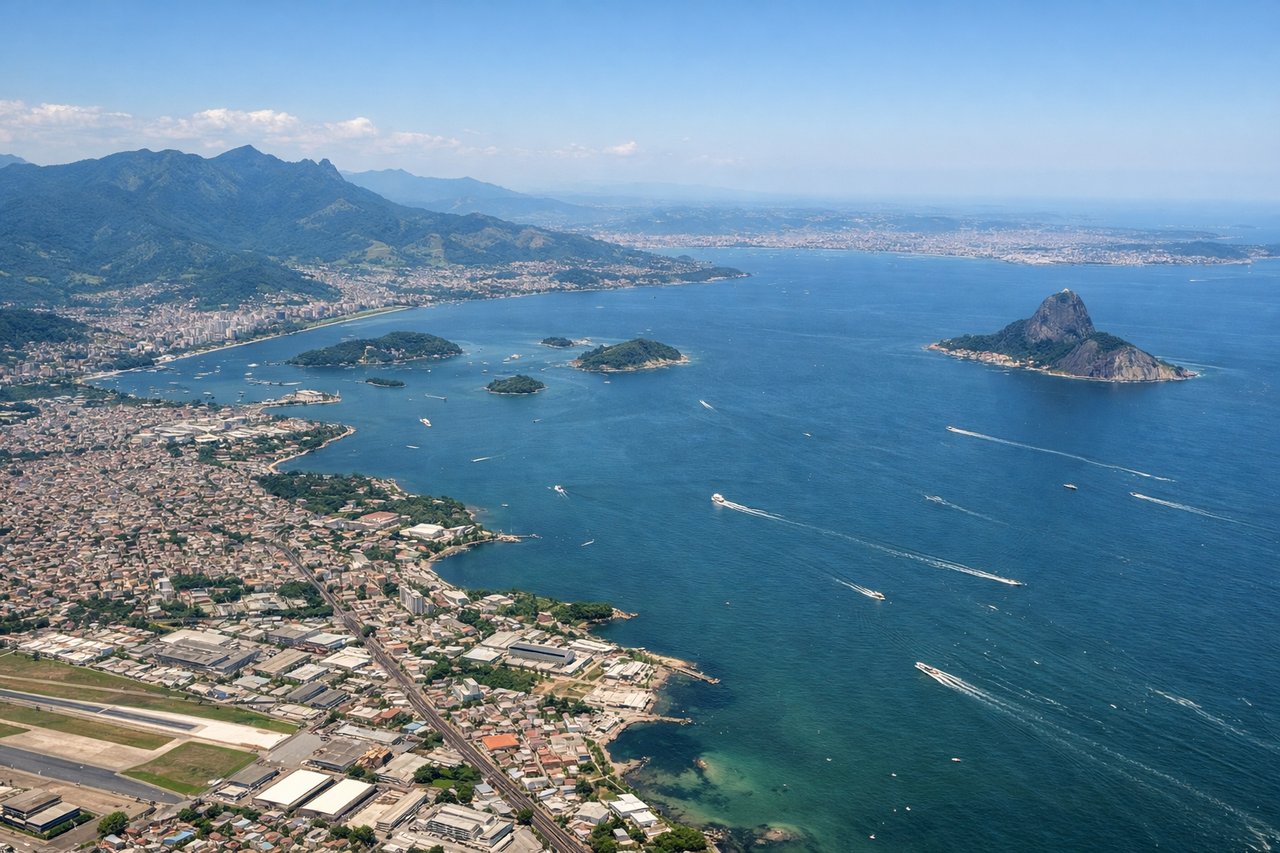
Landing at GIG
RIGHTOn approach to GIG's runway 10 over Guanabara Bay, the right side of the aircraft faces the city and its famous granite peaks, giving passengers a close view of Sugarloaf Mountain, Corcovado with Christ the Redeemer, and the curve of Copacabana beach before touchdown. The left side mostly faces open bay water and distant hills.
Landmarks on this routeAll landmarks →
Will your flight be in sunlight?
See exactly which side of the plane gets sun and shade at your departure time.
About This Route
Which side of the plane should I sit on flying from Miami International (MIA) to Galeao Antonio Carlos Jobim (GIG)?
Sit on the Right side of the plane for the best views on flights from Miami to Rio De Janeiro. While takeoff favors the left with a quick Miami Beach glimpse, the right side wins overall thanks to sustained views of the Brazilian coastline during the latter part of cruise and the spectacular Rio approach past Sugarloaf and Corcovado, which are far more dramatic and memorable than the mostly ocean-dominated left side.
What can I see during takeoff from Miami International in Miami?
During takeoff from Miami International (MIA), sit on the Left side for the best views. Departing MIA to the south, the initial turn puts Miami Beach, Biscayne Bay, and the barrier islands on the left, giving a brief but vivid coastal city view before the route heads out over open water. The right side mostly shows flat Everglades and suburban sprawl. Notable sights include: Miami Beach, Biscayne Bay, Downtown Miami skyline, Key Biscayne.
What can I see when landing at Galeao Antonio Carlos Jobim in Rio De Janeiro?
When landing at Galeao Antonio Carlos Jobim (GIG), sit on the Right side for the best views. On approach to GIG's runway 10 over Guanabara Bay, the right side of the aircraft faces the city and its famous granite peaks, giving passengers a close view of Sugarloaf Mountain, Corcovado with Christ the Redeemer, and the curve of Copacabana beach before touchdown. The left side mostly faces open bay water and distant hills. Notable sights include: Sugarloaf Mountain, Christ the Redeemer on Corcovado, Guanabara Bay, Copacabana beach.
How long is the flight from Miami to Rio De Janeiro?
The flight from Miami International (MIA) to Galeao Antonio Carlos Jobim (GIG) takes 8h 50m.
What does the Miami to Rio De Janeiro flight path pass over?
Open Caribbean Sea giving way to the Atlantic Ocean east of the Lesser Antilles, with the flight path passing well offshore of Venezuela, Guyana, Suriname, and the Amazon River delta before angling southeast along the Brazilian coast toward Rio.