Right side scores higher due to the dramatic Koolau Mountains and windward Oahu scenery during descent and landing, which provides genuine visual drama and landmark density. Left side's Miami departure views are pleasant but brief; the remaining 5+ hours are open Pacific Ocean with minimal visual interest, capping that side at 2.0. Right side's landing sequence compensates for the ocean-dominated cruise phase, yielding a slightly better overall experience.
Flight Path
Open Pacific Ocean with occasional scattered clouds; no significant land features visible during cruise phase. Flight path crosses approximately 2,100 nautical miles of open water between Florida and Hawaii with no intermediate islands or major geographic features.
Great circle distance and headings ›


Phase by phase
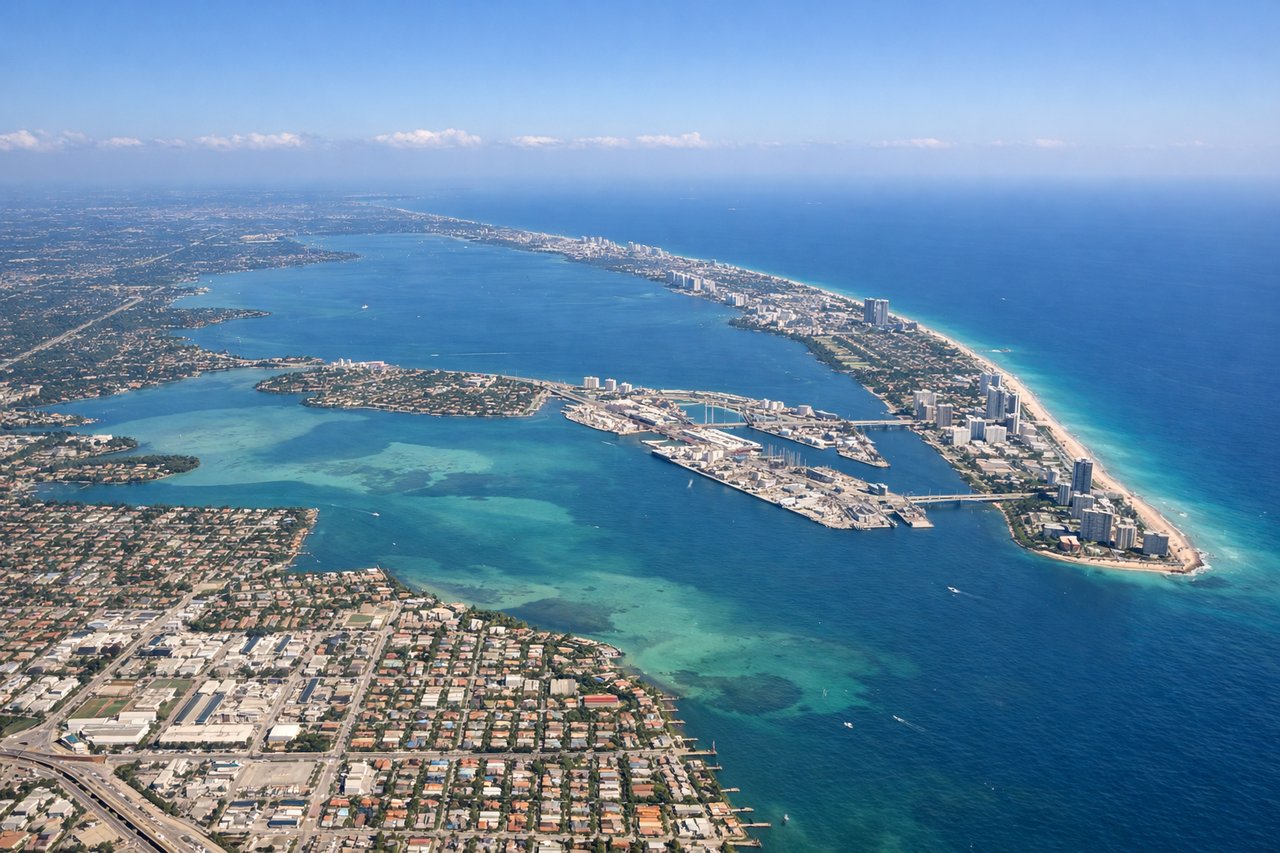
Takeoff from MIA
LEFTLeft side captures Miami's urban waterfront and Biscayne Bay during eastbound departure. Typical 08/09 runway operations mean aircraft depart east-northeast, offering views of downtown Miami, the port, and barrier islands along the initial climb.
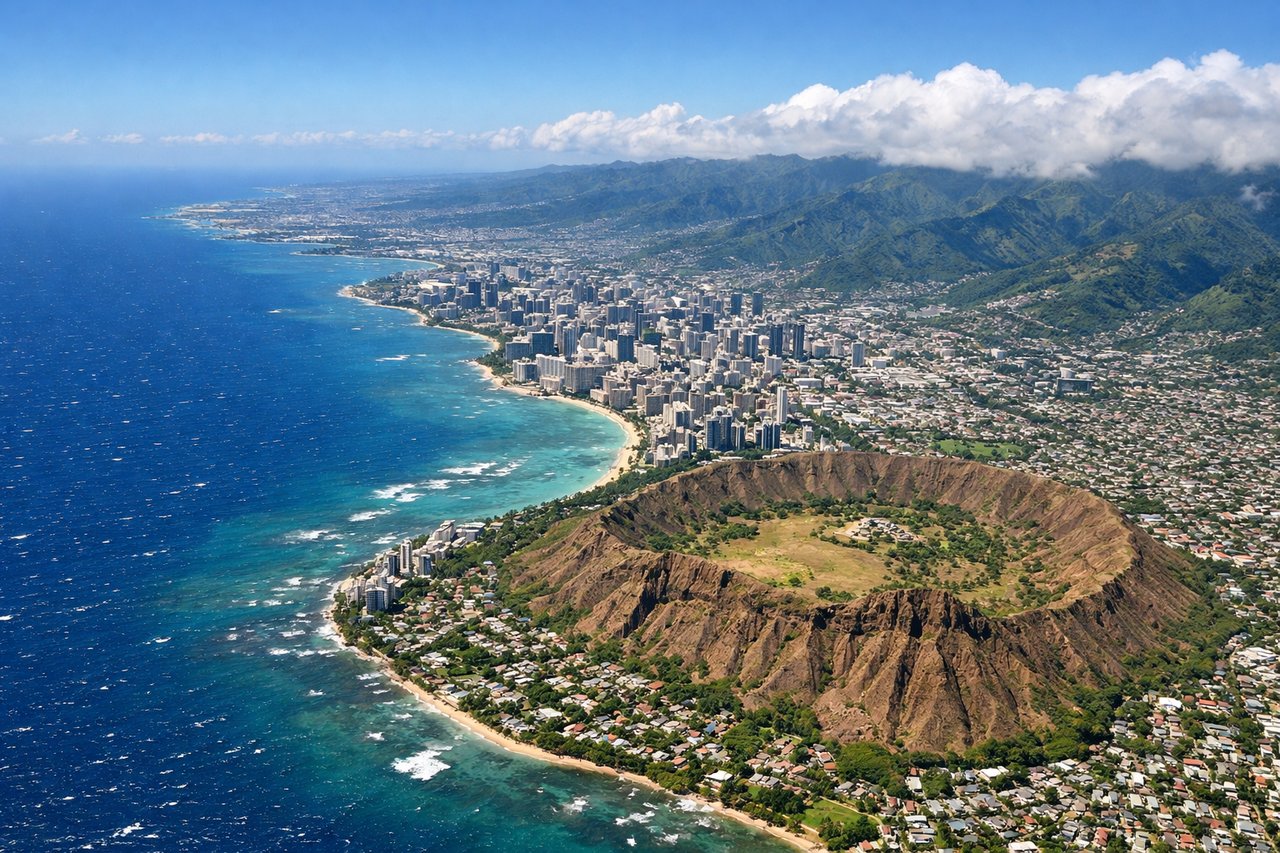
Landing at HNL
RIGHTRight side offers superior approach scenery into Honolulu. Typical northeast trade wind operations favor 04/08 runway ends; arrivals descending from the northeast provide views of the Koolau Mountains, windward Oahu coastline, and Honolulu's urban sprawl before touchdown on the 08L/26R runway closer to terminals.
Landmarks on this routeAll landmarks →
Will your flight be in sunlight?
See exactly which side of the plane gets sun and shade at your departure time.
About This Route
Which side of the plane should I sit on flying from Miami International (MIA) to Honolulu International (HNL)?
Sit on the Right side of the plane for the best views on flights from Miami to Honolulu. Right side scores higher due to the dramatic Koolau Mountains and windward Oahu scenery during descent and landing, which provides genuine visual drama and landmark density. Left side's Miami departure views are pleasant but brief; the remaining 5+ hours are open Pacific Ocean with minimal visual interest, capping that side at 2.0. Right side's landing sequence compensates for the ocean-dominated cruise phase, yielding a slightly better overall experience.
What can I see during takeoff from Miami International in Miami?
During takeoff from Miami International (MIA), sit on the Left side for the best views. Left side captures Miami's urban waterfront and Biscayne Bay during eastbound departure. Typical 08/09 runway operations mean aircraft depart east-northeast, offering views of downtown Miami, the port, and barrier islands along the initial climb. Notable sights include: Downtown Miami skyline, Biscayne Bay, Port of Miami container terminals, Miami Beach and barrier islands.
What can I see when landing at Honolulu International in Honolulu?
When landing at Honolulu International (HNL), sit on the Right side for the best views. Right side offers superior approach scenery into Honolulu. Typical northeast trade wind operations favor 04/08 runway ends; arrivals descending from the northeast provide views of the Koolau Mountains, windward Oahu coastline, and Honolulu's urban sprawl before touchdown on the 08L/26R runway closer to terminals. Notable sights include: Koolau Mountain Range, windward Oahu cliffs and valleys, Honolulu city and harbor, Diamond Head crater.
How long is the flight from Miami to Honolulu?
The flight from Miami International (MIA) to Honolulu International (HNL) takes 5h 30m.
What does the Miami to Honolulu flight path pass over?
Open Pacific Ocean with occasional scattered clouds; no significant land features visible during cruise phase. Flight path crosses approximately 2,100 nautical miles of open water between Florida and Hawaii with no intermediate islands or major geographic features.