While takeoff favors the right, the landing approach to KEF strongly favors the left, and the landing experience is more dramatic and memorable. The Reykjanes Peninsula's volcanic landscape is far more visually distinctive than Minneapolis suburbs.
Flight Path
Minneapolis to Keflavik is 2,936 miles (4,726 km), a flight of about 6 hours.
The flight path crosses the North Atlantic at high latitude. Midway, you'll be over open ocean roughly 400-500 miles east of Greenland's coast. In clear conditions, the southern tip of Greenland (Cape Farewell) may be visible on the left during the latter half of the flight, appearing as a distant, snow-covered landmass on the horizon. The route gradually transitions from the continental climate of Minnesota to the subarctic waters of the North Atlantic, with the ocean surface becoming increasingly visible as you approach Iceland. No significant islands or landmarks exist in the mid-Atlantic portion of this route.
Great circle distance and headings ›Phase by phase
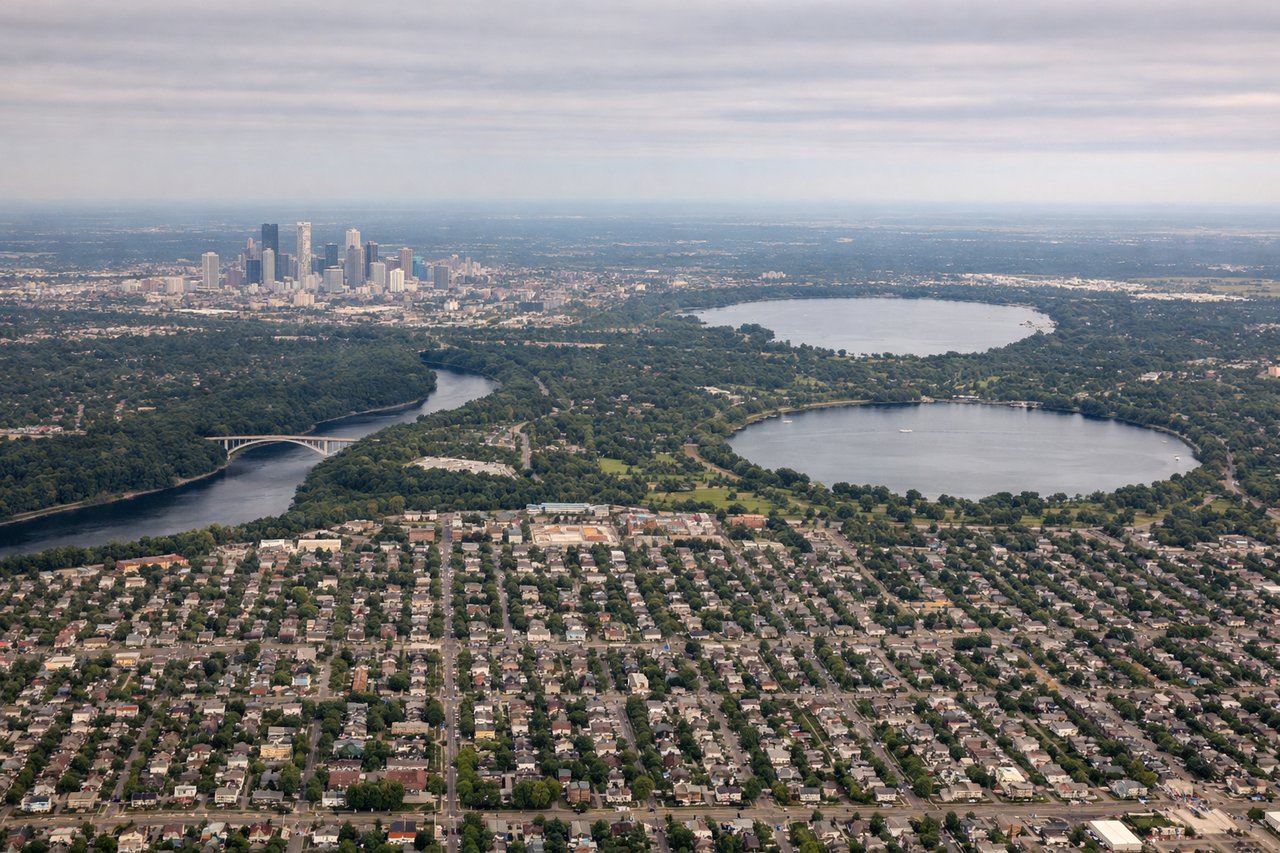
Takeoff from MSP
RIGHTMSP typically departs to the north or northeast. Right-side seats offer views of the Minnesota River valley and the urban sprawl of Minneapolis-St Paul expanding northward. Left seats face west toward less distinctive terrain.
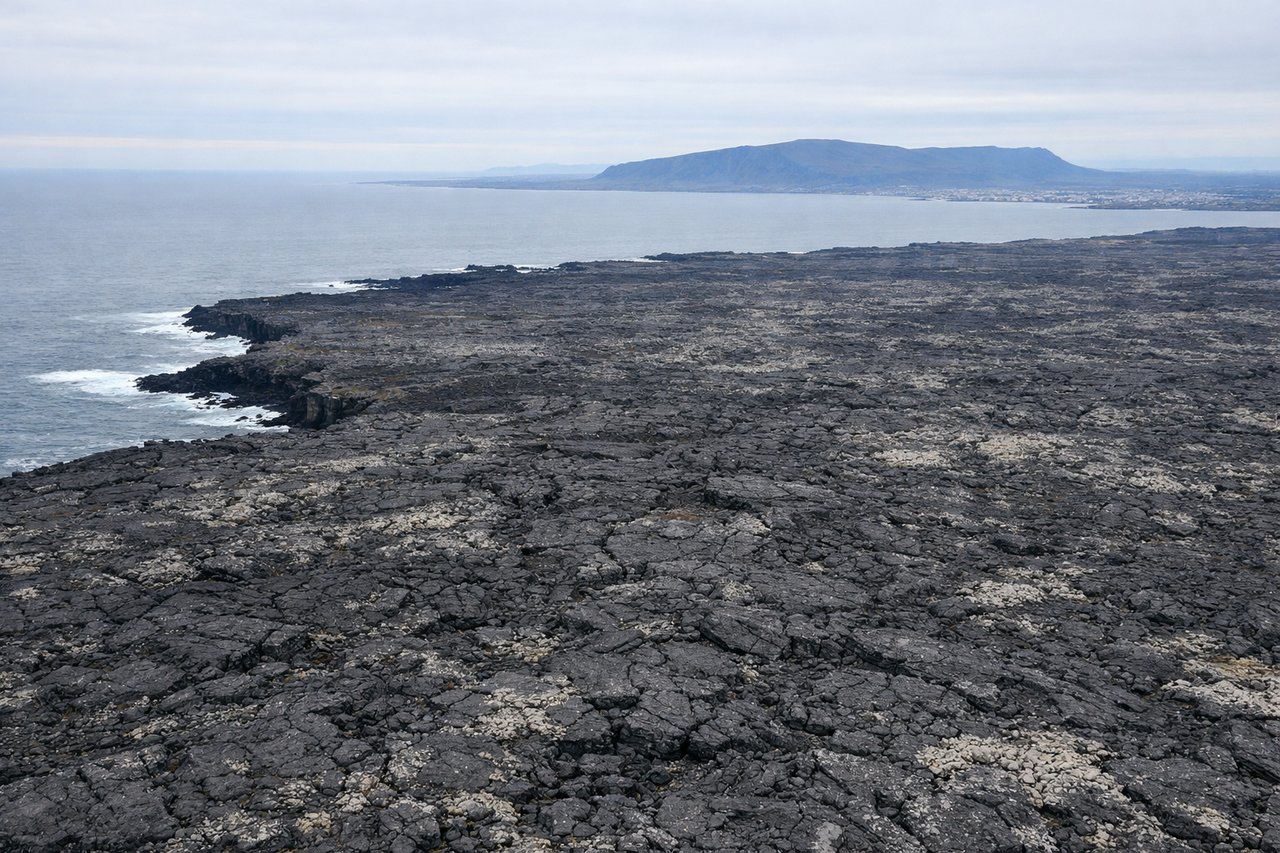
Landing at KEF
LEFTApproaching KEF from the southwest, left-side seats provide the best views of Iceland's southwestern coast, including the distinctive Reykjanes Peninsula and the geothermal landscape. Right seats face the open Atlantic.
Landmarks on this routeAll landmarks →
Will your flight be in sunlight?
Pick a date and time in the Sun Map to watch the sun move across your whole flight.
About This Route
Which side of the plane should I sit on flying from Minneapolis St Paul International (MSP) to Keflavik Nas (KEF)?
Sit on the Left side of the plane for the best views on flights from Minneapolis to Keflavik. While takeoff favors the right, the landing approach to KEF strongly favors the left, and the landing experience is more dramatic and memorable. The Reykjanes Peninsula's volcanic landscape is far more visually distinctive than Minneapolis suburbs.
What can I see during takeoff from Minneapolis St Paul International in Minneapolis?
During takeoff from Minneapolis St Paul International (MSP), sit on the Right side for the best views. MSP typically departs to the north or northeast. Right-side seats offer views of the Minnesota River valley and the urban sprawl of Minneapolis-St Paul expanding northward. Left seats face west toward less distinctive terrain. Notable sights include: Minnesota River valley (visible as a darker linear feature), Minneapolis downtown skyline (small but identifiable cluster), St Paul to the east, suburban development grid extending north.
What can I see when landing at Keflavik Nas in Keflavik?
When landing at Keflavik Nas (KEF), sit on the Left side for the best views. Approaching KEF from the southwest, left-side seats provide the best views of Iceland's southwestern coast, including the distinctive Reykjanes Peninsula and the geothermal landscape. Right seats face the open Atlantic. Notable sights include: Reykjanes Peninsula (dark lava fields and geothermal features), Faxaflói Bay, the Atlantic coastline with its characteristic black sand beaches, small settlements scattered across the peninsula.
How long is the flight from Minneapolis to Keflavik?
The flight from Minneapolis St Paul International (MSP) to Keflavik Nas (KEF) takes about 6 hours. The shortest flight path between them is 2,936 miles (4,726 km); winds and air traffic control usually add a few percent.
What does the Minneapolis to Keflavik flight path pass over?
The flight path crosses the North Atlantic at high latitude. Midway, you'll be over open ocean roughly 400-500 miles east of Greenland's coast. In clear conditions, the southern tip of Greenland (Cape Farewell) may be visible on the left during the latter half of the flight, appearing as a distant, snow-covered landmass on the horizon. The route gradually transitions from the continental climate of Minnesota to the subarctic waters of the North Atlantic, with the ocean surface becoming increasingly visible as you approach Iceland. No significant islands or landmarks exist in the mid-Atlantic portion of this route.