The right side consistently faces the Asian mainland corridor—Mount Fuji at departure, Taiwan's coastal mountains and the Vietnamese coastline during cruise, and Singapore's skyline on arrival—while the left side stays over the largely featureless Philippine Sea and South China Sea for most of the flight.
Flight Path
The route passes east of Taiwan's mountainous west coast, crosses the South China Sea, and tracks near the Vietnamese coastline before curving toward the Malay Peninsula and the Strait of Malacca on final approach to Singapore.
Great circle distance and headings ›


Phase by phase
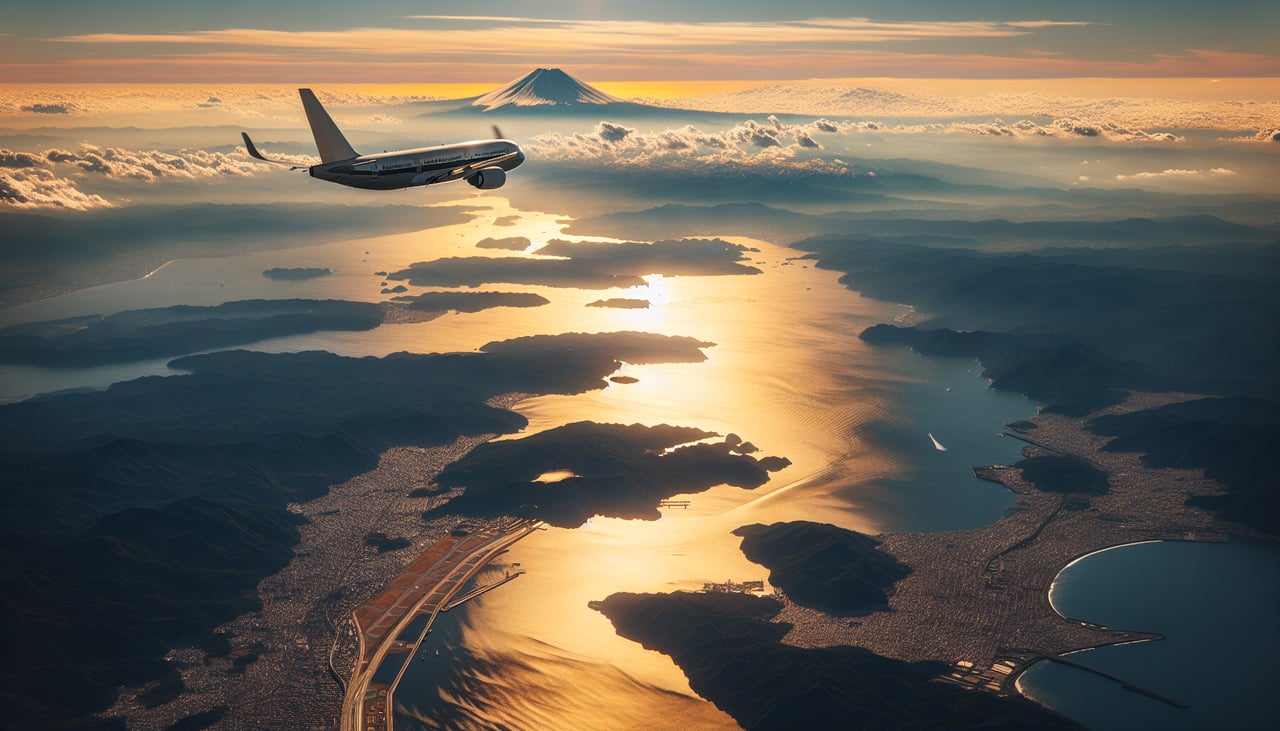
Takeoff from NRT
RIGHTDeparting Narita to the south, the climb passes over Chiba's farmland and Tokyo Bay, and on clear days Mount Fuji's snow-capped cone stands out far to the west on the right side. The left side only shows the flat Boso Peninsula fading into open Pacific water.
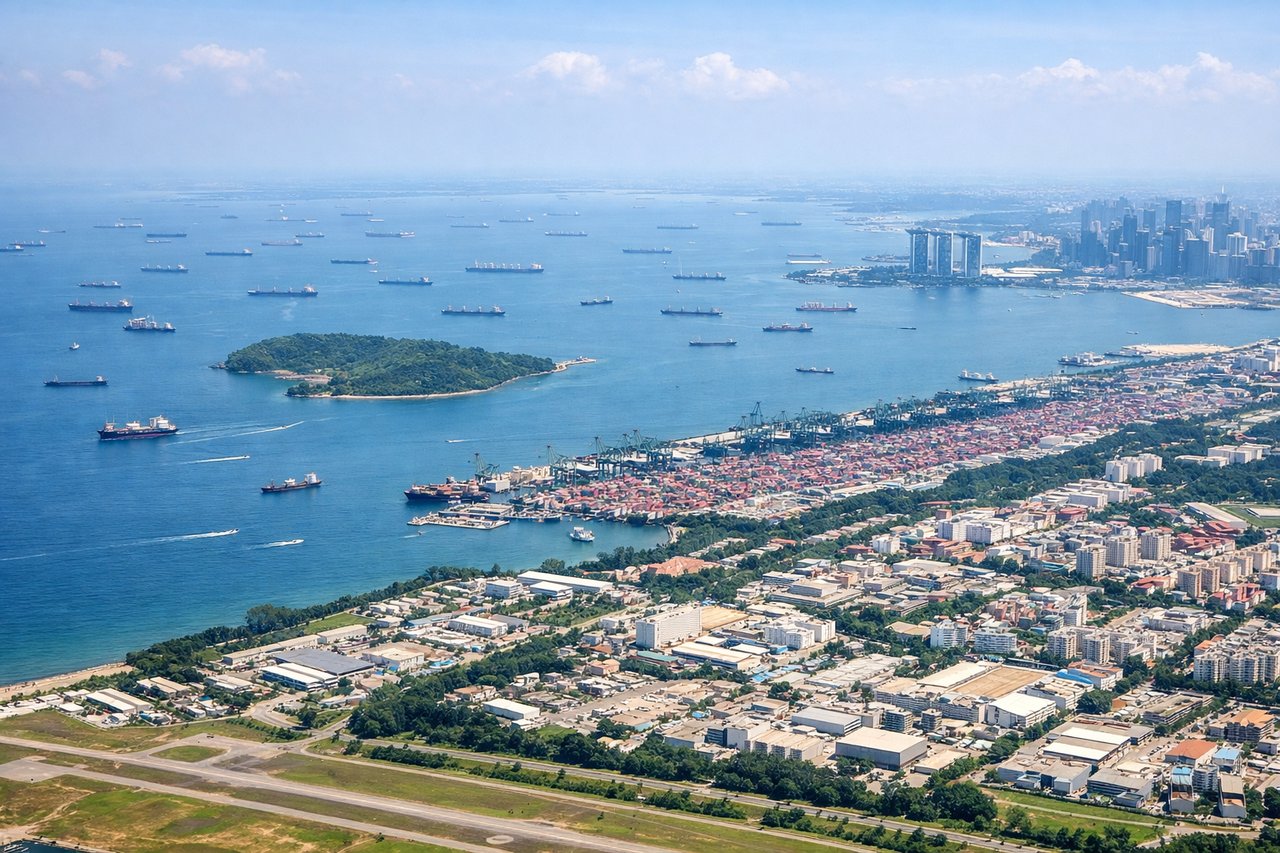
Landing at SIN
RIGHTOn the descent into Changi, the aircraft crosses the Strait of Malacca approach corridor and Johor before lining up with the runway, giving right-side passengers a sweeping view of Singapore's dense skyline, Marina Bay's skyscrapers, and the container port's rows of cranes. The left side mostly faces open sea and the flatter Riau islands with little detail.
Landmarks on this routeAll landmarks →
Will your flight be in sunlight?
See exactly which side of the plane gets sun and shade at your departure time.
About This Route
Which side of the plane should I sit on flying from New Tokyo International (NRT) to Singapore Changi (SIN)?
Sit on the Right side of the plane for the best views on flights from Tokyo to Singapore. The right side consistently faces the Asian mainland corridor—Mount Fuji at departure, Taiwan's coastal mountains and the Vietnamese coastline during cruise, and Singapore's skyline on arrival—while the left side stays over the largely featureless Philippine Sea and South China Sea for most of the flight.
What can I see during takeoff from New Tokyo International in Tokyo?
During takeoff from New Tokyo International (NRT), sit on the Right side for the best views. Departing Narita to the south, the climb passes over Chiba's farmland and Tokyo Bay, and on clear days Mount Fuji's snow-capped cone stands out far to the west on the right side. The left side only shows the flat Boso Peninsula fading into open Pacific water. Notable sights include: Mount Fuji, Tokyo Bay, Boso Peninsula coastline, Chiba farmland.
What can I see when landing at Singapore Changi in Singapore?
When landing at Singapore Changi (SIN), sit on the Right side for the best views. On the descent into Changi, the aircraft crosses the Strait of Malacca approach corridor and Johor before lining up with the runway, giving right-side passengers a sweeping view of Singapore's dense skyline, Marina Bay's skyscrapers, and the container port's rows of cranes. The left side mostly faces open sea and the flatter Riau islands with little detail. Notable sights include: Singapore skyline and Marina Bay, PSA container port, Johor Strait, Sentosa island.
How long is the flight from Tokyo to Singapore?
The flight from New Tokyo International (NRT) to Singapore Changi (SIN) takes 7h 05m.
What does the Tokyo to Singapore flight path pass over?
The route passes east of Taiwan's mountainous west coast, crosses the South China Sea, and tracks near the Vietnamese coastline before curving toward the Malay Peninsula and the Strait of Malacca on final approach to Singapore.