The left side wins because it captures Mt. Fuji and the Japanese Alps at departure, distant views of Siberian and Alaskan mountain ranges during the polar-route cruise, and the Toronto skyline with Lake Ontario on arrival — while the right side is dominated by featureless ocean and Arctic tundra for most of the flight.
Flown NRT to YYZ? Did we get it right?
Flight Path
Tokyo to Toronto is 6,400 miles (10,299 km), a flight of about 12 hours 50 minutes.
The great-circle route passes over Sakhalin Island and the Sea of Okhotsk, across the mountainous Russian Far East and Siberian taiga, over the Bering Sea, then across Alaska's Brooks Range and the Canadian Arctic tundra before descending over Hudson Bay and northern Ontario's lake-studded forest toward Toronto.
Great circle distance and headings ›

Phase by phase
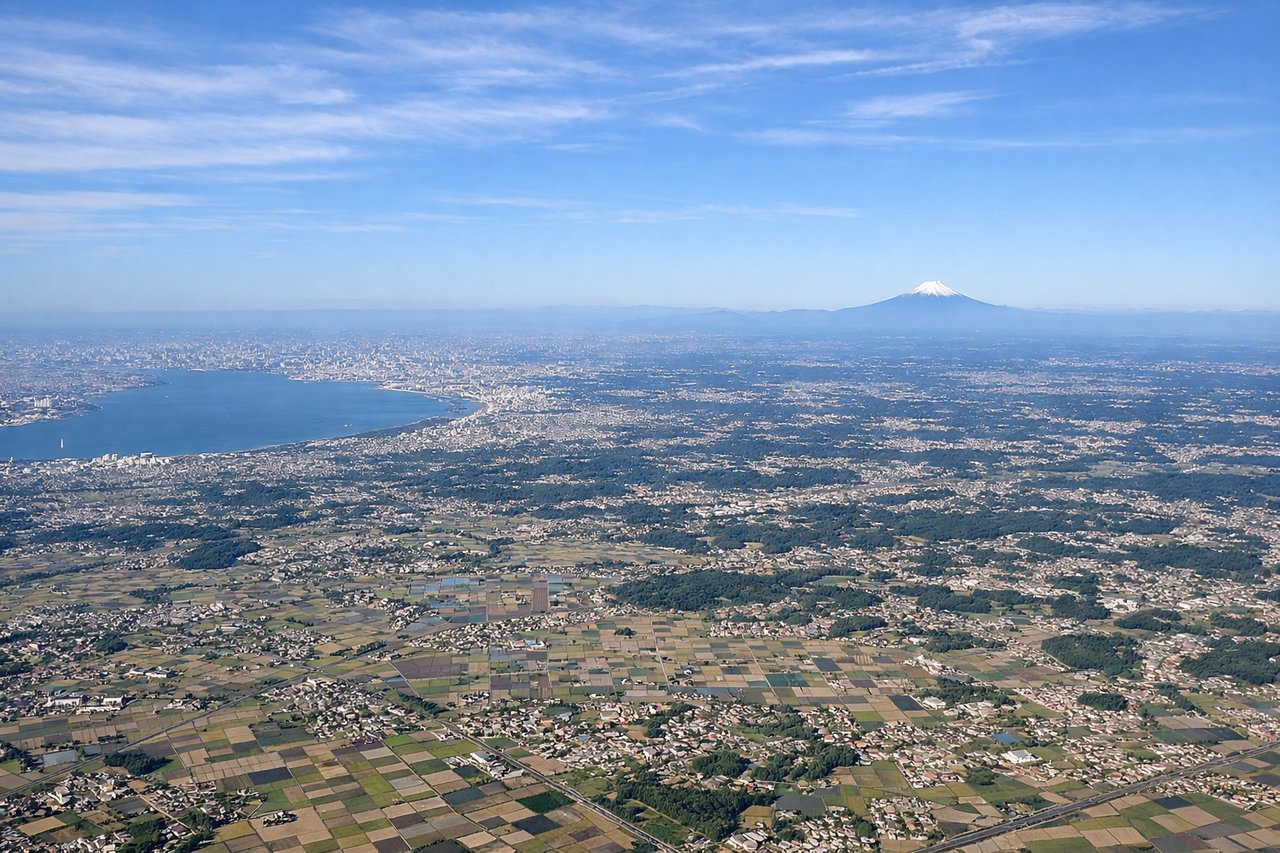
Takeoff from NRT
LEFTDeparting NRT northbound, the left side offers a chance to see Mt. Fuji's snow-capped cone and the Japanese Alps rising over Honshu as the aircraft climbs, while the right side only shows the flat Pacific coastline and open ocean.
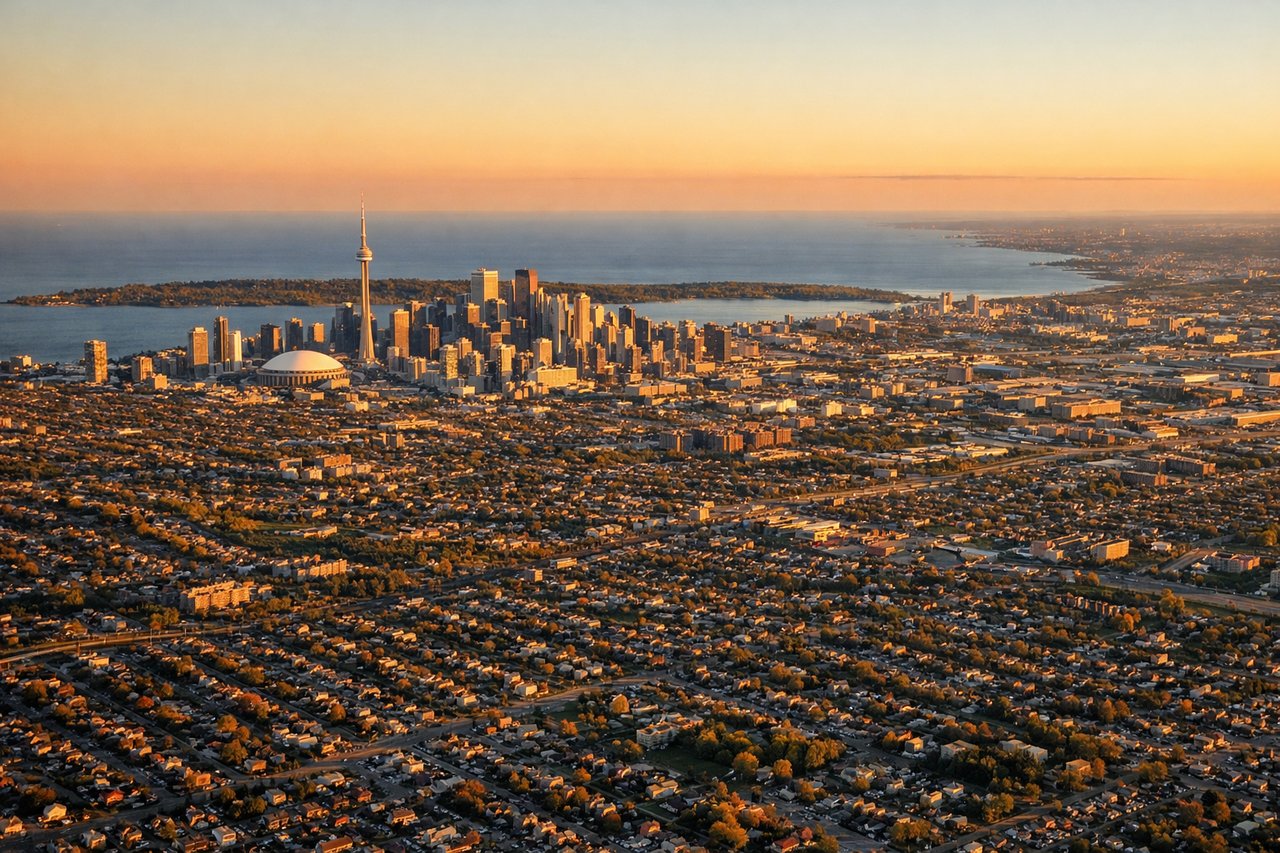
Landing at YYZ
LEFTOn approach into YYZ from the northwest, the left side gives views over Georgian Bay's shoreline and the patchwork farmland of southern Ontario, with glimpses of the Toronto skyline and Lake Ontario shoreline as the plane turns onto final approach.
Will your flight be in sunlight?
Pick a date and time in the Sun Map to watch the sun move across your whole flight.
About This Route
Which side of the plane should I sit on flying from New Tokyo International (NRT) to Lester B Pearson International (YYZ)?
Sit on the Left side of the plane for the best views on flights from Tokyo to Toronto. The left side wins because it captures Mt. Fuji and the Japanese Alps at departure, distant views of Siberian and Alaskan mountain ranges during the polar-route cruise, and the Toronto skyline with Lake Ontario on arrival — while the right side is dominated by featureless ocean and Arctic tundra for most of the flight.
What can I see during takeoff from New Tokyo International in Tokyo?
During takeoff from New Tokyo International (NRT), sit on the Left side for the best views. Departing NRT northbound, the left side offers a chance to see Mt. Fuji's snow-capped cone and the Japanese Alps rising over Honshu as the aircraft climbs, while the right side only shows the flat Pacific coastline and open ocean. Notable sights include: Mt. Fuji, Japanese Alps, Tokyo Bay, Boso Peninsula coastline.
What can I see when landing at Lester B Pearson International in Toronto?
When landing at Lester B Pearson International (YYZ), sit on the Left side for the best views. On approach into YYZ from the northwest, the left side gives views over Georgian Bay's shoreline and the patchwork farmland of southern Ontario, with glimpses of the Toronto skyline and Lake Ontario shoreline as the plane turns onto final approach. Notable sights include: Georgian Bay shoreline, Lake Ontario, Toronto skyline (CN Tower), Humber River valley.
How long is the flight from Tokyo to Toronto?
The flight from New Tokyo International (NRT) to Lester B Pearson International (YYZ) takes about 12 hours 50 minutes. The shortest flight path between them is 6,400 miles (10,299 km); winds and air traffic control usually add a few percent.
What does the Tokyo to Toronto flight path pass over?
The great-circle route passes over Sakhalin Island and the Sea of Okhotsk, across the mountainous Russian Far East and Siberian taiga, over the Bering Sea, then across Alaska's Brooks Range and the Canadian Arctic tundra before descending over Hudson Bay and northern Ontario's lake-studded forest toward Toronto.