Bucharest to Houston is 6,104 miles (9,824 km), a flight of about 11 hours 30 minutes.
Right-side seats dominate both segments of this transatlantic flight. Departure offers Carpathian Mountain views, and arrival showcases Houston's urban landscape and Galveston Bay. Left seats would see only plains and agricultural areas on both ends.
Flight Path
The flight path crosses the Atlantic Ocean for roughly 6-7 hours with no significant landmarks visible. Notable waypoints include: the Irish coast and Celtic Sea (if routed northwest), the North Atlantic (open ocean with occasional cloud formations), Newfoundland or the Canadian Maritimes (if routed via northern corridor), and the eastern seaboard of the United States including the Appalachian Mountains and Mississippi River valley during the final approach phase toward Texas. Most of the mid-Atlantic crossing offers only ocean and cloud cover.
Great circle distance and headings ›.jpg?width=600)


Phase by phase
Takeoff from OTP
RIGHTRight-side seats offer views of the Carpathian Mountains immediately after departure. The aircraft climbs northwestward from Bucharest, and the right wing points toward the dramatic peaks and foothills that dominate the landscape north of the city.
Landing at IAH
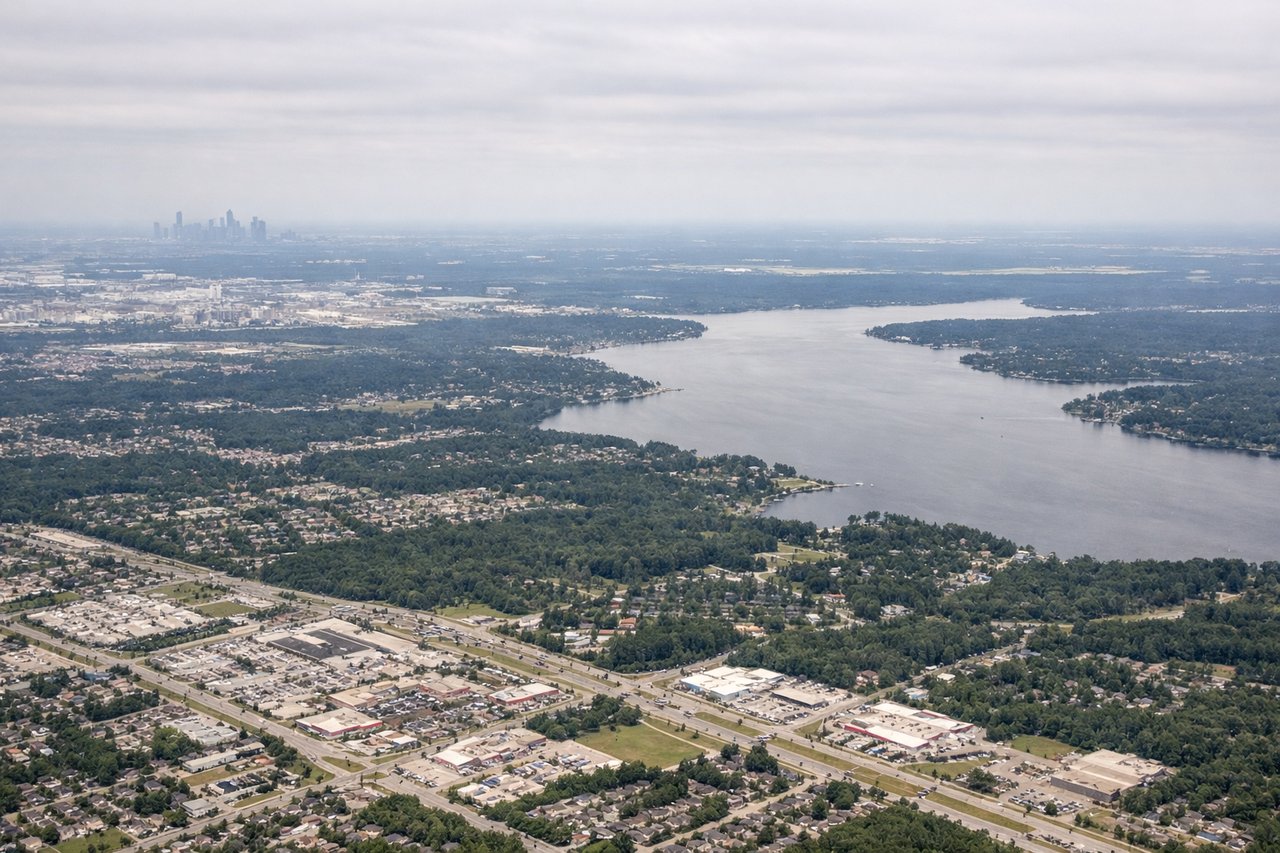
RIGHTRight-side seats provide views of the Houston metropolitan area and Galveston Bay during descent. The aircraft approaches from the east-northeast, and right-side windows capture the sprawling city grid, Buffalo Bayou, and the coastal features of the Texas Gulf Coast.
Landmarks on this routeAll landmarks →
Will your flight be in sunlight?
Pick a date and time in the Sun Map to watch the sun move across your whole flight.
About This Route
Which side of the plane should I sit on flying from Otopeni (OTP) to George Bush Intcntl Houston (IAH)?
Sit on the Right side of the plane for the best views on flights from Bucharest to Houston. Right-side seats dominate both segments of this transatlantic flight. Departure offers Carpathian Mountain views, and arrival showcases Houston's urban landscape and Galveston Bay. Left seats would see only plains and agricultural areas on both ends.
What can I see during takeoff from Otopeni in Bucharest?
During takeoff from Otopeni (OTP), sit on the Right side for the best views. Right-side seats offer views of the Carpathian Mountains immediately after departure. The aircraft climbs northwestward from Bucharest, and the right wing points toward the dramatic peaks and foothills that dominate the landscape north of the city. Notable sights include: Carpathian Mountains (northern arc), Danube River valley to the south, Bucharest urban sprawl below, Prahova Valley cutting through foothills.
What can I see when landing at George Bush Intcntl Houston in Houston?
When landing at George Bush Intcntl Houston (IAH), sit on the Right side for the best views. Right-side seats provide views of the Houston metropolitan area and Galveston Bay during descent. The aircraft approaches from the east-northeast, and right-side windows capture the sprawling city grid, Buffalo Bayou, and the coastal features of the Texas Gulf Coast. Notable sights include: Houston city center and sprawl, Buffalo Bayou winding through the city, Galveston Bay to the southeast, refineries and industrial complexes along the ship channel.
How long is the flight from Bucharest to Houston?
The flight from Otopeni (OTP) to George Bush Intcntl Houston (IAH) takes about 11 hours 30 minutes. The shortest flight path between them is 6,104 miles (9,824 km); winds and air traffic control usually add a few percent.
What does the Bucharest to Houston flight path pass over?
The flight path crosses the Atlantic Ocean for roughly 6-7 hours with no significant landmarks visible. Notable waypoints include: the Irish coast and Celtic Sea (if routed northwest), the North Atlantic (open ocean with occasional cloud formations), Newfoundland or the Canadian Maritimes (if routed via northern corridor), and the eastern seaboard of the United States including the Appalachian Mountains and Mississippi River valley during the final approach phase toward Texas. Most of the mid-Atlantic crossing offers only ocean and cloud cover.