Portland to Kodiak is 1,513 miles (2,435 km), a flight of about 3 hours 15 minutes.
The left side scores higher due to the dramatic Cascade Range and Mount Hood visible during takeoff, combined with consistent views of Oregon's mountainous terrain during the northern climb. While the right side offers a scenic landing approach to Kodiak Island, the left side's volcanic peaks and sustained terrain drama throughout the climb phase outweigh the landing advantage. The flight path northward from Portland naturally favors left-side views of the Cascades and subsequent Pacific Northwest geography.
Flight Path
Cascade Range (Mount Jefferson, Mount Washington, Three Sisters volcanic peaks), Willamette National Forest, Columbia River Gorge, Mount Rainier (visible from northern Oregon), Puget Sound and Seattle metropolitan area, Salish Sea, San Juan Islands, Strait of Georgia, British Columbia coastal ranges, Inside Passage fjords and islands, Gulf of Alaska approach
Great circle distance and headings ›Phase by phase
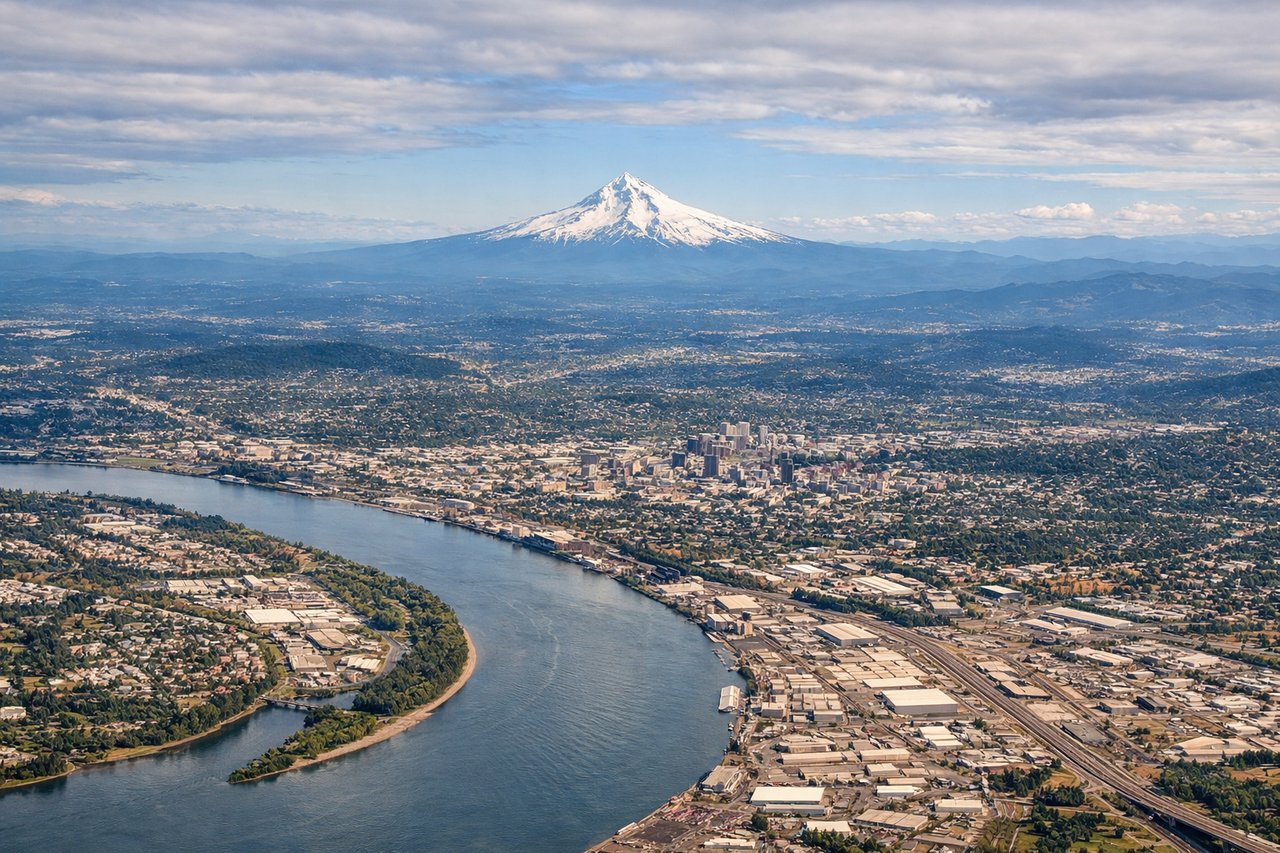
Takeoff from PDX
LEFTLeft side captures Portland's urban landscape and the Cascade Range immediately east of the city. The Willamette River valley and Mount Hood dominate the eastern horizon during climb-out, providing dramatic volcanic terrain and clear geographic reference points.
Landing at ADQ
RIGHTRight side offers superior approach views of Kodiak Island's rugged coastline, Chiniak Bay, and the surrounding Gulf of Alaska. The island's dramatic terrain, fjord-like inlets, and coastal geography create more visual interest than the left side's open ocean approach.
Will your flight be in sunlight?
Pick a date and time in the Sun Map to watch the sun move across your whole flight.
About This Route
Which side of the plane should I sit on flying from Portland International (PDX) to Kodiak (ADQ)?
Sit on the Left side of the plane for the best views on flights from Portland to Kodiak. The left side scores higher due to the dramatic Cascade Range and Mount Hood visible during takeoff, combined with consistent views of Oregon's mountainous terrain during the northern climb. While the right side offers a scenic landing approach to Kodiak Island, the left side's volcanic peaks and sustained terrain drama throughout the climb phase outweigh the landing advantage. The flight path northward from Portland naturally favors left-side views of the Cascades and subsequent Pacific Northwest geography.
What can I see during takeoff from Portland International in Portland?
During takeoff from Portland International (PDX), sit on the Left side for the best views. Left side captures Portland's urban landscape and the Cascade Range immediately east of the city. The Willamette River valley and Mount Hood dominate the eastern horizon during climb-out, providing dramatic volcanic terrain and clear geographic reference points. Notable sights include: Mount Hood (11,240 ft), Willamette River valley, Portland metropolitan area, Cascade Range foothills.
What can I see when landing at Kodiak in Kodiak?
When landing at Kodiak (ADQ), sit on the Right side for the best views. Right side offers superior approach views of Kodiak Island's rugged coastline, Chiniak Bay, and the surrounding Gulf of Alaska. The island's dramatic terrain, fjord-like inlets, and coastal geography create more visual interest than the left side's open ocean approach. Notable sights include: Kodiak Island's mountainous spine, Chiniak Bay, Gulf of Alaska coastline, Kodiak town harbor.
How long is the flight from Portland to Kodiak?
The flight from Portland International (PDX) to Kodiak (ADQ) takes about 3 hours 15 minutes. The shortest flight path between them is 1,513 miles (2,435 km); winds and air traffic control usually add a few percent.
What does the Portland to Kodiak flight path pass over?
Cascade Range (Mount Jefferson, Mount Washington, Three Sisters volcanic peaks), Willamette National Forest, Columbia River Gorge, Mount Rainier (visible from northern Oregon), Puget Sound and Seattle metropolitan area, Salish Sea, San Juan Islands, Strait of Georgia, British Columbia coastal ranges, Inside Passage fjords and islands, Gulf of Alaska approach