While left wins on takeoff, right provides superior views for the majority of the flight—the entire transatlantic crossing over the North Atlantic and the dramatic Icelandic approach. The landing views alone justify the right-side choice for this route.
Flown PDX to RKV? Did we get it right?
Flight Path
Portland to Reykjavik is 3,739 miles (6,017 km), a flight of about 7 hours 35 minutes.
The flight path crosses the North Atlantic at high altitude (typically 33,000-35,000 ft). Notable features include the Canadian Maritime provinces and Newfoundland during the first 2-3 hours, then open ocean for the majority of the flight. Around the 6-7 hour mark, the southern tip of Greenland becomes visible on the left side (west coast of Greenland's ice sheet). The final 2-3 hours approach Iceland, with the Mid-Atlantic Ridge features and Iceland's volcanic plateau becoming visible. The descent into Reykjavik reveals the Reykjanes Peninsula's distinctive dark lava fields and the capital's harbor geography.
Great circle distance and headings ›


Phase by phase
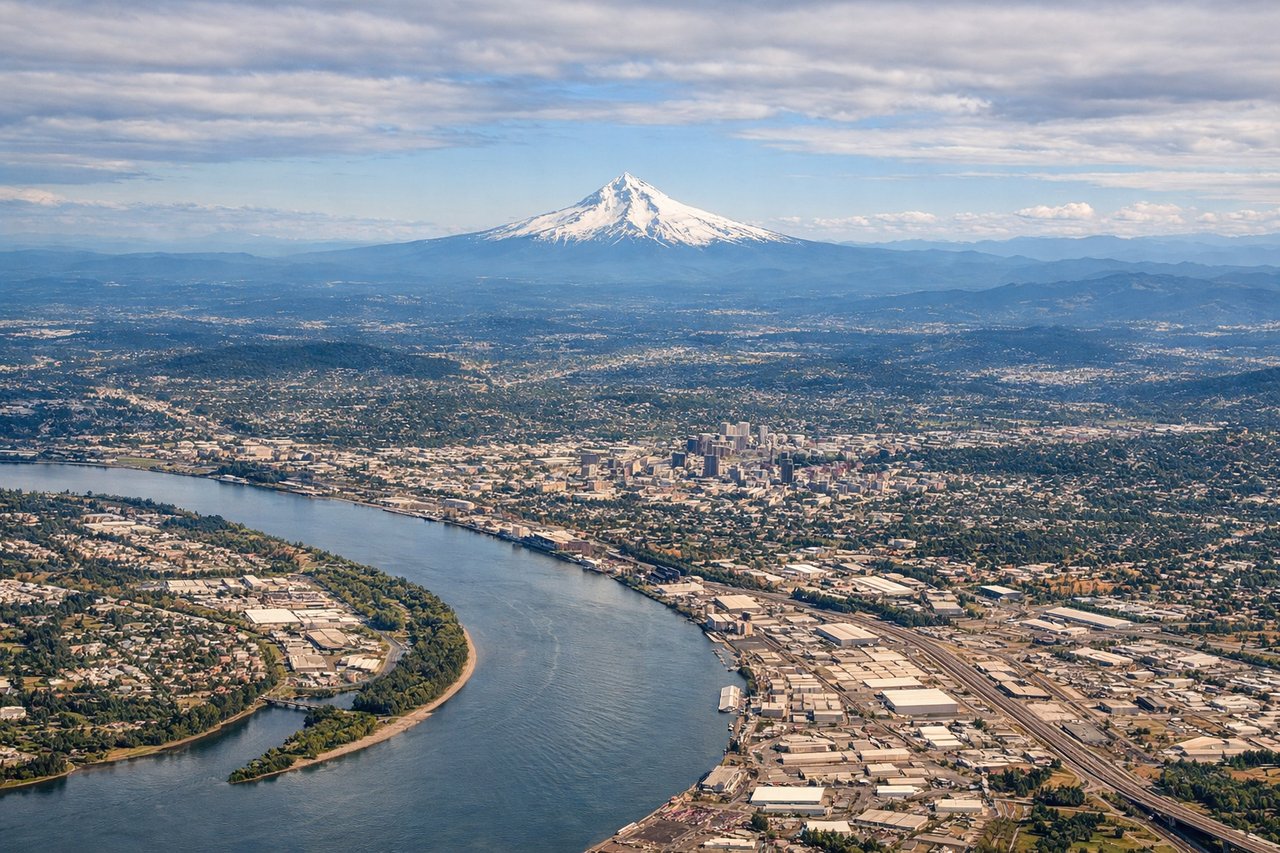
Takeoff from PDX
LEFTLeft side captures the Cascade Range immediately east of Portland, with Mount Hood dominating the view during climb-out. Right side shows only the Willamette Valley farmland and urban sprawl.
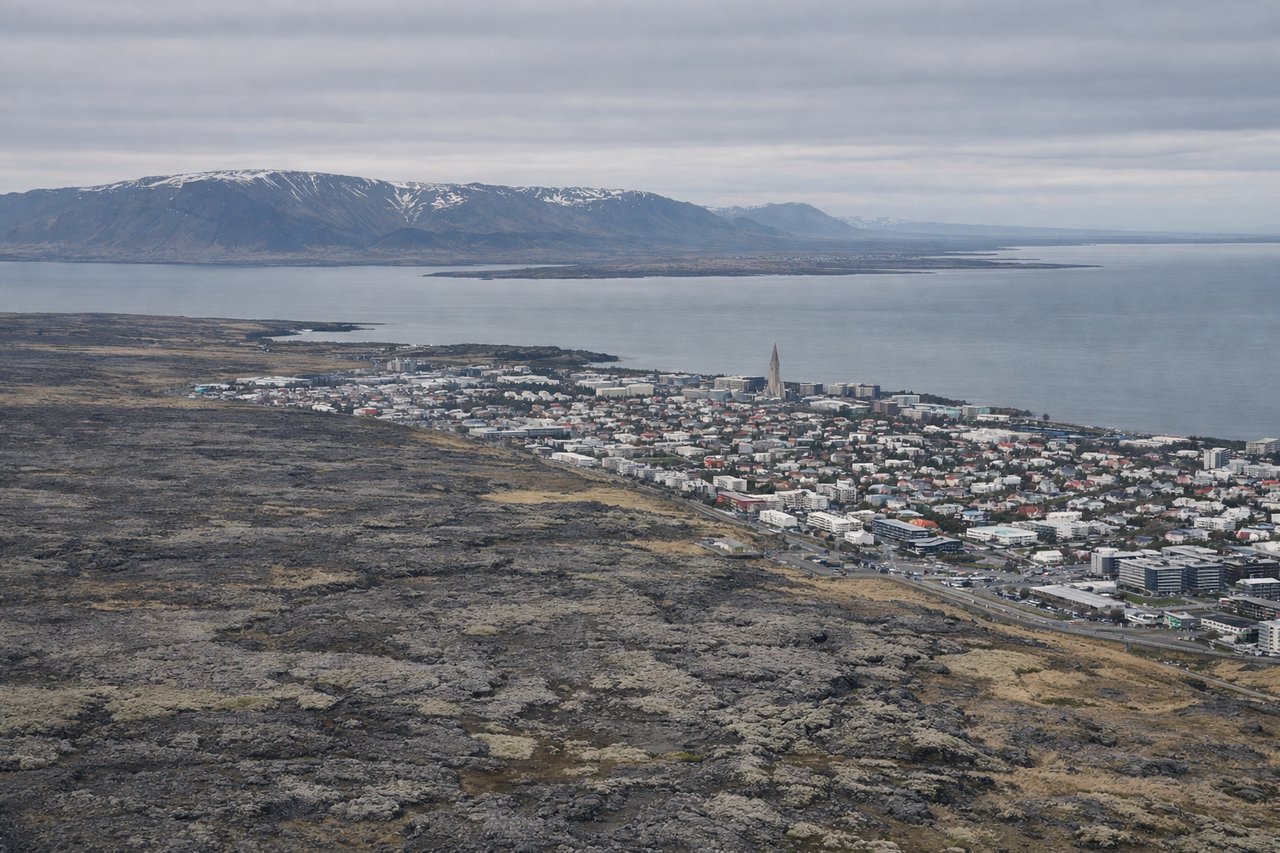
Landing at RKV
RIGHTRight side offers views of Iceland's dramatic coastline and glacial features during approach. The descent path typically brings aircraft over the Atlantic, and right-side seats capture Reykjavik's peninsula geography and the volcanic landscape surrounding Keflavik.
Will your flight be in sunlight?
Pick a date and time in the Sun Map to watch the sun move across your whole flight.
About This Route
Which side of the plane should I sit on flying from Portland International (PDX) to Reykjavik (RKV)?
Sit on the Right side of the plane for the best views on flights from Portland to Reykjavik. While left wins on takeoff, right provides superior views for the majority of the flight—the entire transatlantic crossing over the North Atlantic and the dramatic Icelandic approach. The landing views alone justify the right-side choice for this route.
What can I see during takeoff from Portland International in Portland?
During takeoff from Portland International (PDX), sit on the Left side for the best views. Left side captures the Cascade Range immediately east of Portland, with Mount Hood dominating the view during climb-out. Right side shows only the Willamette Valley farmland and urban sprawl. Notable sights include: Mount Hood (11,240 ft), Cascade Range ridgeline, Columbia River gorge to the north, Willamette Valley floor.
What can I see when landing at Reykjavik in Reykjavik?
When landing at Reykjavik (RKV), sit on the Right side for the best views. Right side offers views of Iceland's dramatic coastline and glacial features during approach. The descent path typically brings aircraft over the Atlantic, and right-side seats capture Reykjavik's peninsula geography and the volcanic landscape surrounding Keflavik. Notable sights include: Reykjavik peninsula and harbor, Faxaflói Bay, volcanic lava fields (dark basalt), distant glaciers on the horizon.
How long is the flight from Portland to Reykjavik?
The flight from Portland International (PDX) to Reykjavik (RKV) takes about 7 hours 35 minutes. The shortest flight path between them is 3,739 miles (6,017 km); winds and air traffic control usually add a few percent.
What does the Portland to Reykjavik flight path pass over?
The flight path crosses the North Atlantic at high altitude (typically 33,000-35,000 ft). Notable features include the Canadian Maritime provinces and Newfoundland during the first 2-3 hours, then open ocean for the majority of the flight. Around the 6-7 hour mark, the southern tip of Greenland becomes visible on the left side (west coast of Greenland's ice sheet). The final 2-3 hours approach Iceland, with the Mid-Atlantic Ridge features and Iceland's volcanic plateau becoming visible. The descent into Reykjavik reveals the Reykjanes Peninsula's distinctive dark lava fields and the capital's harbor geography.