Perth to Kiritimati is 6,097 miles (9,812 km), a flight of about 11 hours 50 minutes.
While takeoff favors the right for Perth's coastal geography, the landing view of Kiritimati's lagoon and atoll structure from the left is more visually distinctive and geographically significant. The approach to the island provides the more memorable window seat experience.
Flight Path
The flight crosses the eastern Indian Ocean for roughly 2,000 nautical miles with no significant land features. The route passes over open ocean with occasional deep-water swells visible at altitude. As the aircraft approaches the equator and transitions into the central Pacific, water color gradually shifts from the cooler tones of the Indian Ocean to the warmer turquoise hues typical of tropical Pacific waters. No islands or atolls are encountered along the direct route until Christmas Island appears on approach.
Great circle distance and headings ›
.jpg?width=600)


Phase by phase
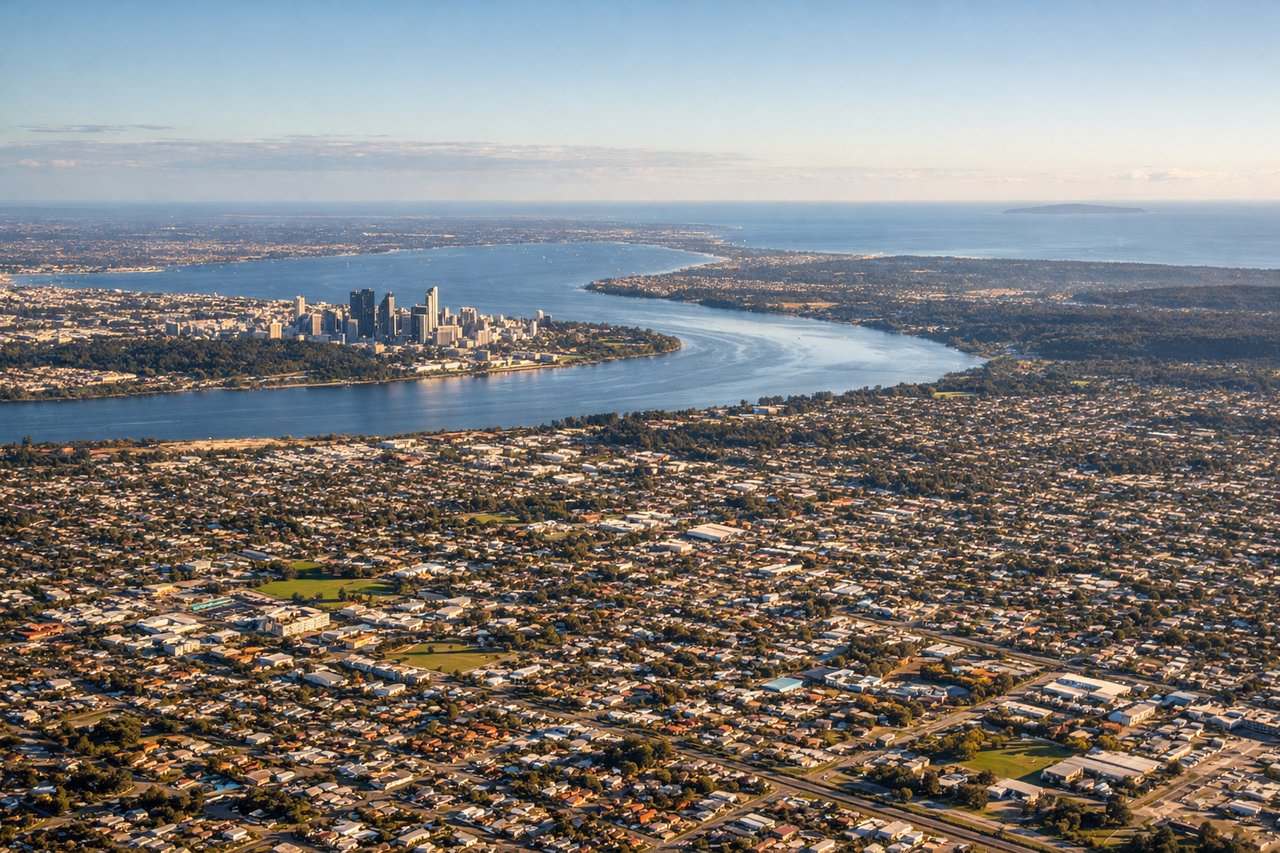
Takeoff from PER
RIGHTPerth International typically departs to the north or northeast. Right-side seats offer views of the Swan River estuary and the Indian Ocean coastline as the aircraft climbs out over water, providing clear geography of Perth's coastal layout.
Landing at CXI
LEFTApproaching Christmas Island (Kiritimati) from the southeast, left-side seats provide the best view of the atoll's distinctive ring structure, the lagoon, and the approach to the runway. The island's narrow land formations and turquoise lagoon are most visible from this angle during descent.
Landmarks on this routeAll landmarks →
Will your flight be in sunlight?
Pick a date and time in the Sun Map to watch the sun move across your whole flight.
About This Route
Which side of the plane should I sit on flying from Perth International (PER) to Christmas Island (CXI)?
Sit on the Left side of the plane for the best views on flights from Perth to Kiritimati. While takeoff favors the right for Perth's coastal geography, the landing view of Kiritimati's lagoon and atoll structure from the left is more visually distinctive and geographically significant. The approach to the island provides the more memorable window seat experience.
What can I see during takeoff from Perth International in Perth?
During takeoff from Perth International (PER), sit on the Right side for the best views. Perth International typically departs to the north or northeast. Right-side seats offer views of the Swan River estuary and the Indian Ocean coastline as the aircraft climbs out over water, providing clear geography of Perth's coastal layout. Notable sights include: Swan River estuary, Rottnest Island (visible as a small landmass offshore to the northwest), Indian Ocean, Perth city skyline receding inland.
What can I see when landing at Christmas Island in Kiritimati?
When landing at Christmas Island (CXI), sit on the Left side for the best views. Approaching Christmas Island (Kiritimati) from the southeast, left-side seats provide the best view of the atoll's distinctive ring structure, the lagoon, and the approach to the runway. The island's narrow land formations and turquoise lagoon are most visible from this angle during descent. Notable sights include: Kiritimati Lagoon (turquoise central water body), the atoll's narrow coral rim, Pacific Ocean, runway strip on the southern portion of the island.
How long is the flight from Perth to Kiritimati?
The flight from Perth International (PER) to Christmas Island (CXI) takes about 11 hours 50 minutes. The shortest flight path between them is 6,097 miles (9,812 km); winds and air traffic control usually add a few percent.
What does the Perth to Kiritimati flight path pass over?
The flight crosses the eastern Indian Ocean for roughly 2,000 nautical miles with no significant land features. The route passes over open ocean with occasional deep-water swells visible at altitude. As the aircraft approaches the equator and transitions into the central Pacific, water color gradually shifts from the cooler tones of the Indian Ocean to the warmer turquoise hues typical of tropical Pacific waters. No islands or atolls are encountered along the direct route until Christmas Island appears on approach.