Perth to Seattle is 9,241 miles (14,872 km), a flight of about 15 hours 30 minutes.
While takeoff offers coastal scenery, the landing approach into Seattle provides more dramatic and iconic views. Mount Rainier and the Cascade Range are far more visually striking than Perth's relatively flat coastal departure, making right-side seats the better choice for the overall journey.
Flight Path
This ultra-long-haul route crosses the central Pacific Ocean for approximately 8-10 hours with minimal visible landmarks. The flight typically departs Perth heading east-northeast, crosses the Indian Ocean, then transitions over the vast open Pacific. Depending on routing, aircraft may pass near or south of Hawaii (not typically visible from cruise altitude on northern tracks). The approach to North America brings views of the Pacific Northwest coastline, including the Oregon-Washington coast, before turning inland toward Seattle. The most notable midpoint visual feature would be the transition from open ocean to the North American continental shelf, but this occurs during night hours on typical westbound routing.
Great circle distance and headings ›Phase by phase
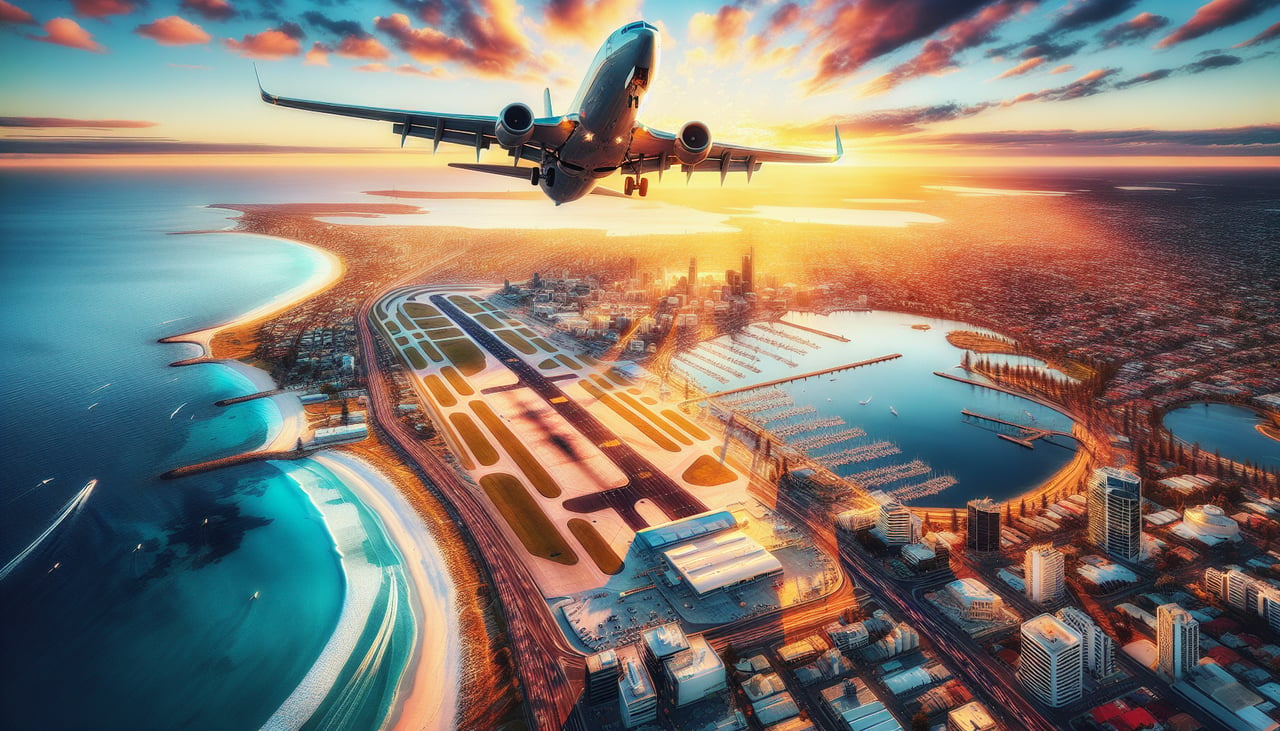
Takeoff from PER
LEFTLeft-side seats offer views of Perth's coastal geography as the aircraft climbs westward over the Indian Ocean. You'll see the Swan River estuary, Fremantle port, and the limestone cliffs of the Perth metropolitan coastline receding beneath the wing.
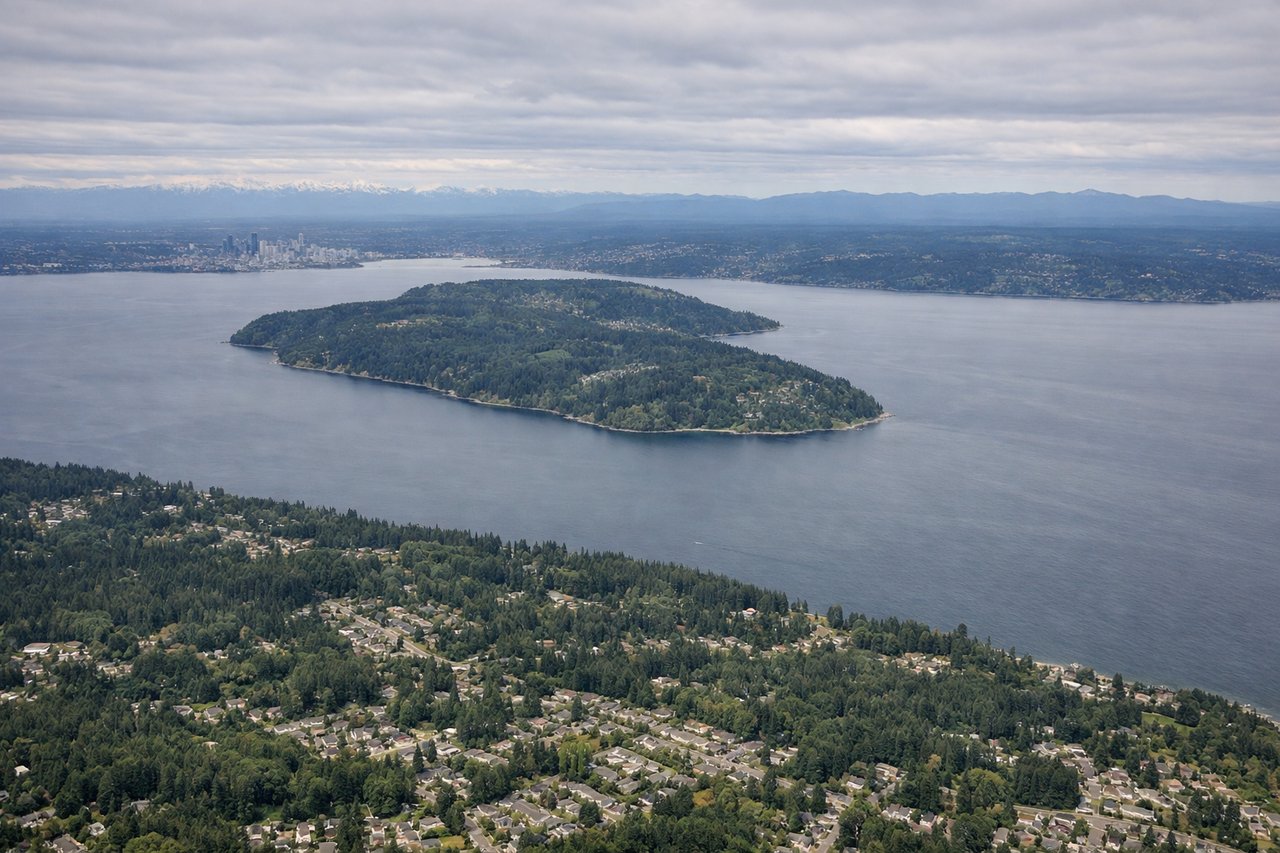
Landing at SEA
RIGHTRight-side seats provide excellent views during the descent into Seattle. You'll see the Cascade Range to the east, Mount Rainier dominating the skyline, and Puget Sound's complex waterway system with the San Juan Islands visible to the north.
Landmarks on this routeAll landmarks →
Will your flight be in sunlight?
Pick a date and time in the Sun Map to watch the sun move across your whole flight.
About This Route
Which side of the plane should I sit on flying from Perth International (PER) to Seattle Tacoma International (SEA)?
Sit on the Right side of the plane for the best views on flights from Perth to Seattle. While takeoff offers coastal scenery, the landing approach into Seattle provides more dramatic and iconic views. Mount Rainier and the Cascade Range are far more visually striking than Perth's relatively flat coastal departure, making right-side seats the better choice for the overall journey.
What can I see during takeoff from Perth International in Perth?
During takeoff from Perth International (PER), sit on the Left side for the best views. Left-side seats offer views of Perth's coastal geography as the aircraft climbs westward over the Indian Ocean. You'll see the Swan River estuary, Fremantle port, and the limestone cliffs of the Perth metropolitan coastline receding beneath the wing. Notable sights include: Swan River estuary, Fremantle Harbor, Indian Ocean coastline, Perth city grid.
What can I see when landing at Seattle Tacoma International in Seattle?
When landing at Seattle Tacoma International (SEA), sit on the Right side for the best views. Right-side seats provide excellent views during the descent into Seattle. You'll see the Cascade Range to the east, Mount Rainier dominating the skyline, and Puget Sound's complex waterway system with the San Juan Islands visible to the north. Notable sights include: Mount Rainier, Cascade Range, Puget Sound, San Juan Islands.
How long is the flight from Perth to Seattle?
The flight from Perth International (PER) to Seattle Tacoma International (SEA) takes about 15 hours 30 minutes. The shortest flight path between them is 9,241 miles (14,872 km); winds and air traffic control usually add a few percent.
What does the Perth to Seattle flight path pass over?
This ultra-long-haul route crosses the central Pacific Ocean for approximately 8-10 hours with minimal visible landmarks. The flight typically departs Perth heading east-northeast, crosses the Indian Ocean, then transitions over the vast open Pacific. Depending on routing, aircraft may pass near or south of Hawaii (not typically visible from cruise altitude on northern tracks). The approach to North America brings views of the Pacific Northwest coastline, including the Oregon-Washington coast, before turning inland toward Seattle. The most notable midpoint visual feature would be the transition from open ocean to the North American continental shelf, but this occurs during night hours on typical westbound routing.