Seattle to Perth is 9,241 miles (14,872 km), a flight of about 17 hours.
The left side delivers the spectacular Mount Rainier and Cascade departure view, which is one of the most dramatic takeoff panoramas in North America. The landing view from the right is good but Perth's flat coastal geography is less dramatic. Left wins on the strength of the departure alone.
Flight Path
The route tracks southwest over the North Pacific, crossing the Hawaiian Islands chain (visible as small dark specks in the vast ocean if routing passes near them), then continues over the central Pacific with no significant landmasses until approaching the Australian coast. The flight crosses the equator roughly over open ocean west of Kiribati. The Australian landfall is typically over the remote northwest coast near the Pilbara or Kimberley region, where the red-brown desert plateau and occasional river gorges are visible before the landscape transitions to the flat scrubland of Western Australia's interior.
Great circle distance and headings ›Phase by phase
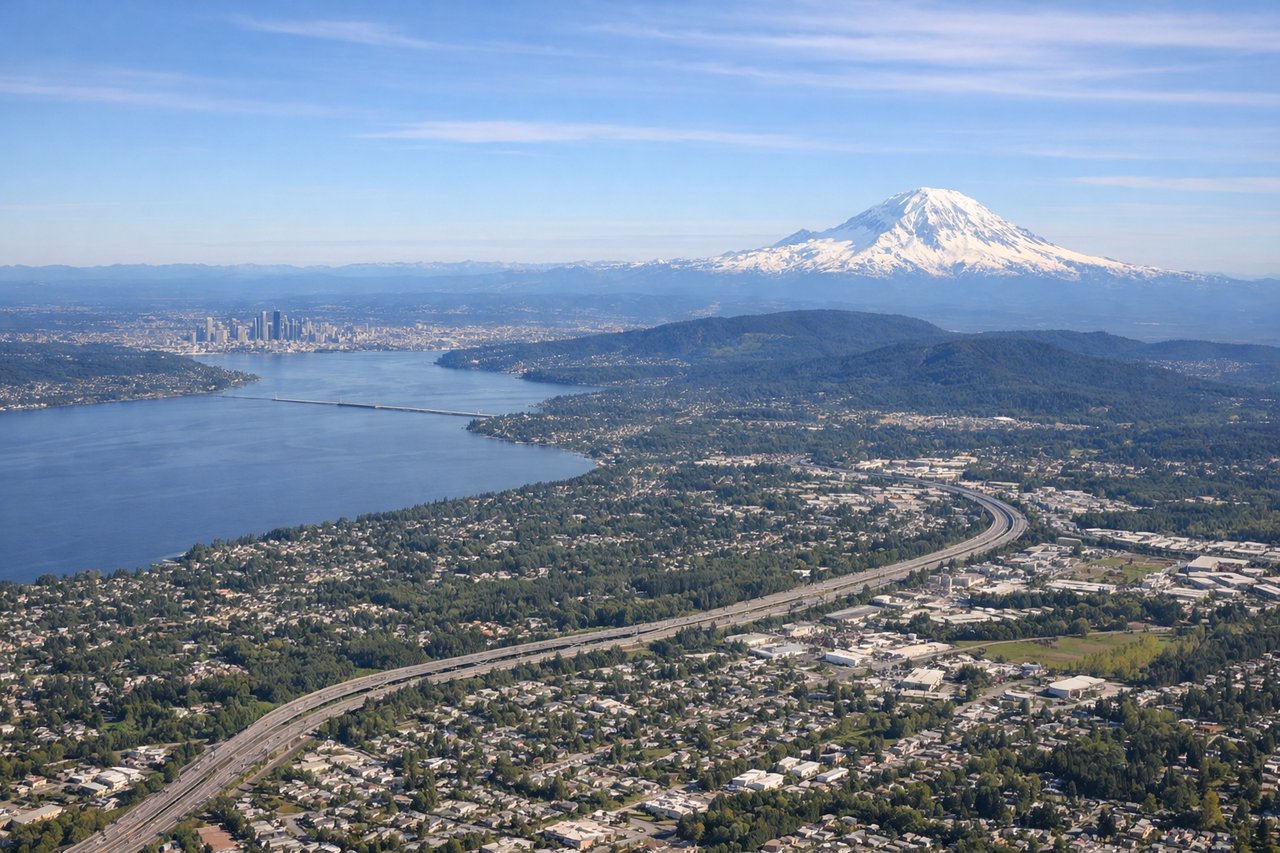
Takeoff from SEA
LEFTSEA departures on runway 16L/16R head south, putting the left side facing east toward the Cascade Range. You get a clear view of Mount Rainier dominating the skyline, with the Seattle skyline and Elliott Bay visible during the initial climb-out to the north.
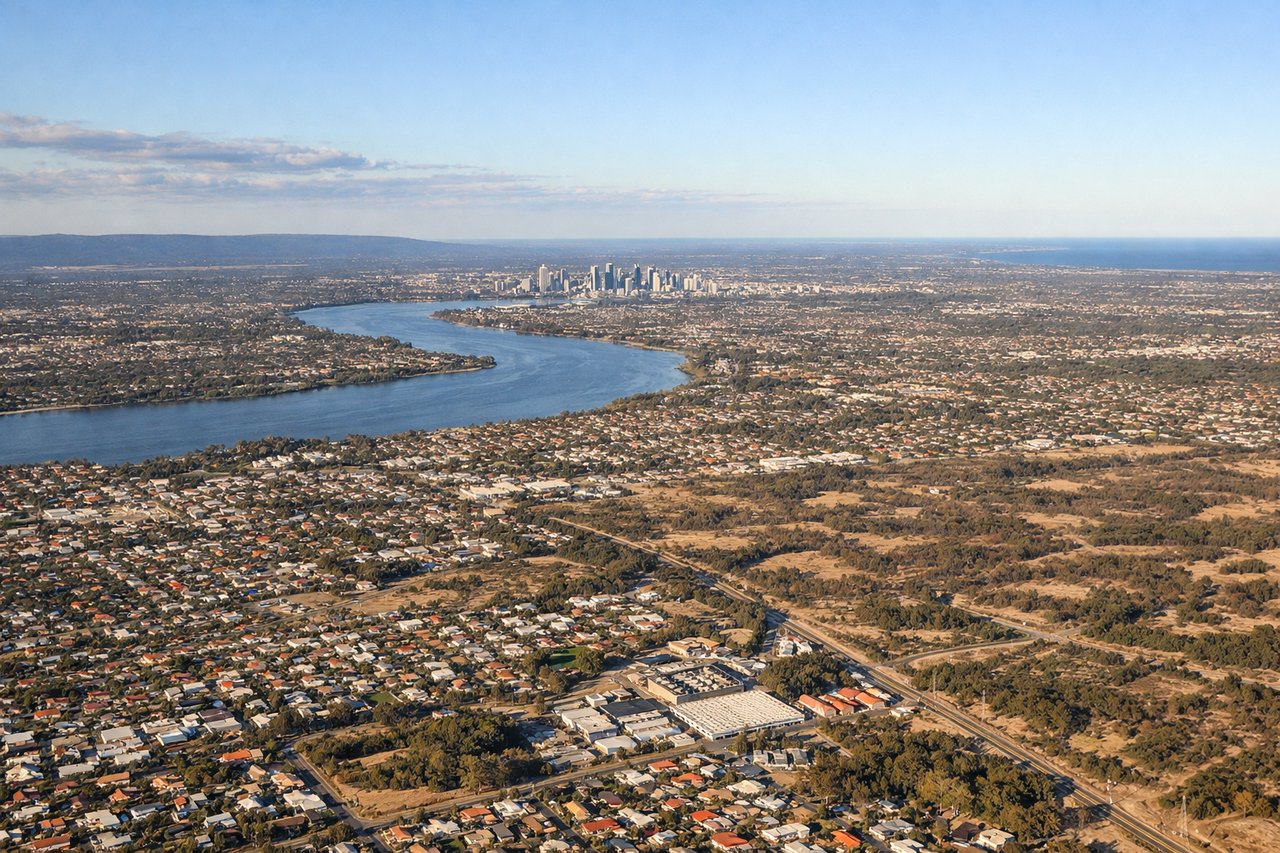
Landing at PER
RIGHTPerth Airport sits east of the city, and aircraft typically approach from the east on runway 21 or land heading south. A right-side seat gives you the Swan River snaking through Perth's western suburbs and the Indian Ocean coastline as you descend over the city.
Landmarks on this routeAll landmarks →
Will your flight be in sunlight?
Pick a date and time in the Sun Map to watch the sun move across your whole flight.
About This Route
Which side of the plane should I sit on flying from Seattle Tacoma International (SEA) to Perth International (PER)?
Sit on the Left side of the plane for the best views on flights from Seattle to Perth. The left side delivers the spectacular Mount Rainier and Cascade departure view, which is one of the most dramatic takeoff panoramas in North America. The landing view from the right is good but Perth's flat coastal geography is less dramatic. Left wins on the strength of the departure alone.
What can I see during takeoff from Seattle Tacoma International in Seattle?
During takeoff from Seattle Tacoma International (SEA), sit on the Left side for the best views. SEA departures on runway 16L/16R head south, putting the left side facing east toward the Cascade Range. You get a clear view of Mount Rainier dominating the skyline, with the Seattle skyline and Elliott Bay visible during the initial climb-out to the north. Notable sights include: Mount Rainier (14,411 ft), Elliott Bay and Seattle skyline, Lake Washington, Puget Sound.
What can I see when landing at Perth International in Perth?
When landing at Perth International (PER), sit on the Right side for the best views. Perth Airport sits east of the city, and aircraft typically approach from the east on runway 21 or land heading south. A right-side seat gives you the Swan River snaking through Perth's western suburbs and the Indian Ocean coastline as you descend over the city. Notable sights include: Swan River, Indian Ocean coastline, Perth CBD, Fremantle Harbour.
How long is the flight from Seattle to Perth?
The flight from Seattle Tacoma International (SEA) to Perth International (PER) takes about 17 hours. The shortest flight path between them is 9,241 miles (14,872 km); winds and air traffic control usually add a few percent.
What does the Seattle to Perth flight path pass over?
The route tracks southwest over the North Pacific, crossing the Hawaiian Islands chain (visible as small dark specks in the vast ocean if routing passes near them), then continues over the central Pacific with no significant landmasses until approaching the Australian coast. The flight crosses the equator roughly over open ocean west of Kiribati. The Australian landfall is typically over the remote northwest coast near the Pilbara or Kimberley region, where the red-brown desert plateau and occasional river gorges are visible before the landscape transitions to the flat scrubland of Western Australia's interior.