The right side scores higher due to superior landing scenery into Montreal. While the left side offers a scenic departure over Panama City and the canal, the right side's approach over the St. Lawrence River, Laurentian Mountains, and Montreal's distinctive urban geography provides greater visual drama and landmark density during the final 90 minutes of flight. The cruise segment over the eastern United States and Great Lakes region favors the right side's views of the Appalachian foothills and the transition into Canadian Shield terrain.
Flight Path
Yucatan Peninsula and Gulf of Mexico (visible during early cruise), Florida peninsula and Atlantic coastline, Appalachian Mountains (Tennessee to Pennsylvania), Great Lakes region (Lake Ontario visible on approach), St. Lawrence River valley
Great circle distance and headings ›Phase by phase
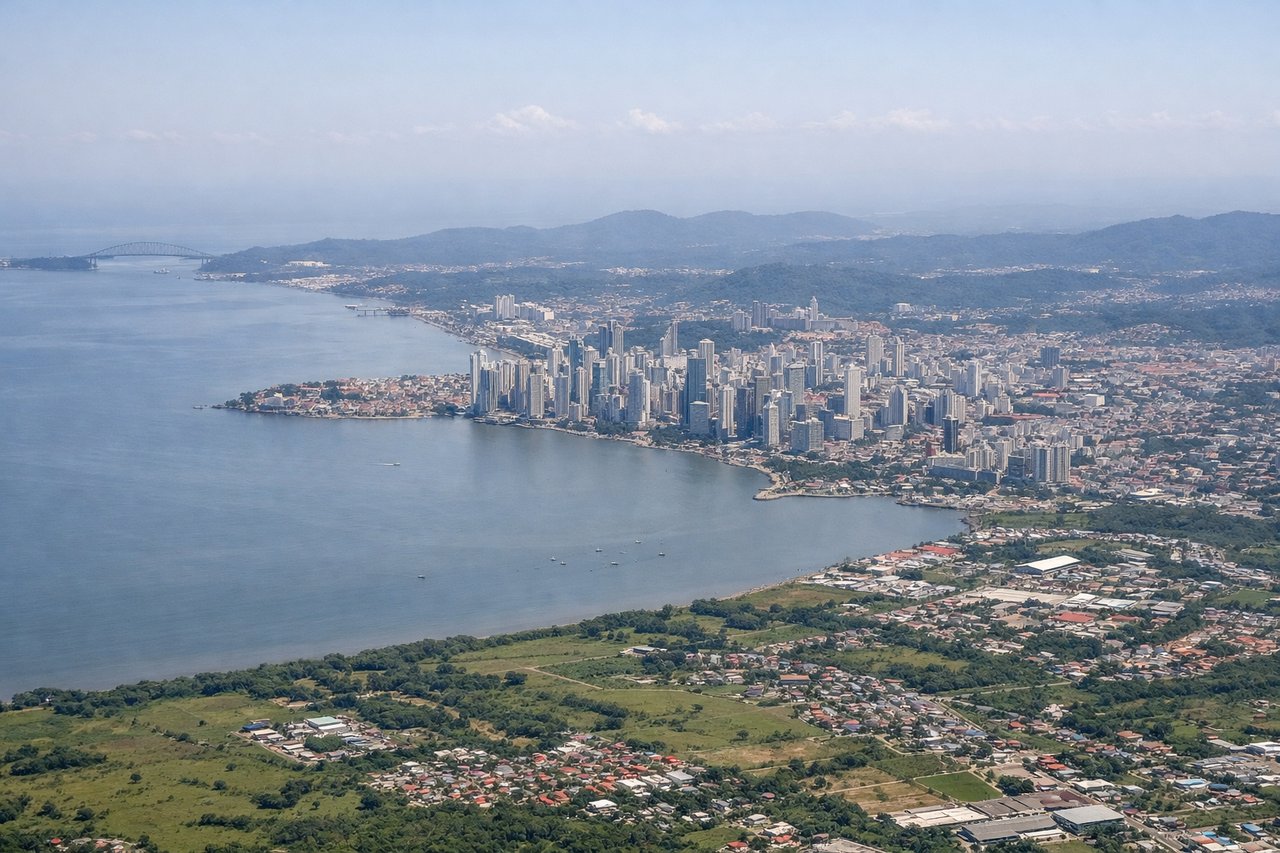
Takeoff from PTY
LEFTPanama City's Caribbean coastline and the Panama Canal approach provide immediate urban and maritime interest during departure. The left side captures the city skyline, Balboa Harbor, and the initial canal approach before climbing over the isthmus.
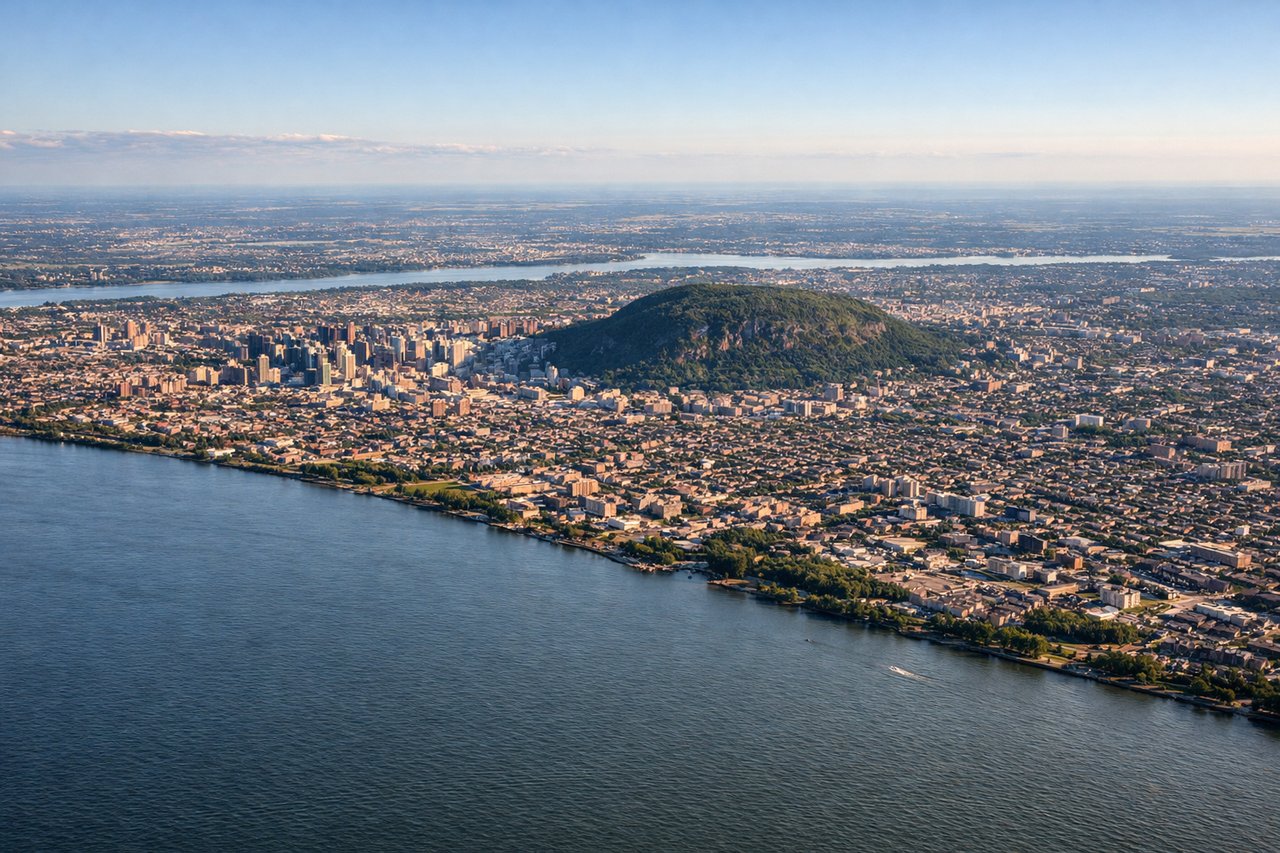
Landing at YUL
RIGHTThe right side offers superior approach scenery into Montreal. The descent path over the St. Lawrence River, the Laurentian Mountains to the north, and the city's distinctive geography—including Mount Royal and the river's serpentine course—create compelling visual variety during final approach.
Will your flight be in sunlight?
See exactly which side of the plane gets sun and shade at your departure time.
About This Route
Which side of the plane should I sit on flying from Tocumen International (PTY) to Montreal International Dorval (YUL)?
Sit on the Right side of the plane for the best views on flights from Panama City to Montreal. The right side scores higher due to superior landing scenery into Montreal. While the left side offers a scenic departure over Panama City and the canal, the right side's approach over the St. Lawrence River, Laurentian Mountains, and Montreal's distinctive urban geography provides greater visual drama and landmark density during the final 90 minutes of flight. The cruise segment over the eastern United States and Great Lakes region favors the right side's views of the Appalachian foothills and the transition into Canadian Shield terrain.
What can I see during takeoff from Tocumen International in Panama City?
During takeoff from Tocumen International (PTY), sit on the Left side for the best views. Panama City's Caribbean coastline and the Panama Canal approach provide immediate urban and maritime interest during departure. The left side captures the city skyline, Balboa Harbor, and the initial canal approach before climbing over the isthmus. Notable sights include: Panama City skyline and Casco Viejo district, Balboa Harbor and container terminals, Panama Canal locks and Gatun Lake, Caribbean coastline.
What can I see when landing at Montreal International Dorval in Montreal?
When landing at Montreal International Dorval (YUL), sit on the Right side for the best views. The right side offers superior approach scenery into Montreal. The descent path over the St. Lawrence River, the Laurentian Mountains to the north, and the city's distinctive geography—including Mount Royal and the river's serpentine course—create compelling visual variety during final approach. Notable sights include: St. Lawrence River and its islands, Laurentian Mountains to the north, Mount Royal and downtown Montreal skyline, Île-Perrot and suburban sprawl.
How long is the flight from Panama City to Montreal?
The flight from Tocumen International (PTY) to Montreal International Dorval (YUL) takes 4h 35m.
What does the Panama City to Montreal flight path pass over?
Yucatan Peninsula and Gulf of Mexico (visible during early cruise), Florida peninsula and Atlantic coastline, Appalachian Mountains (Tennessee to Pennsylvania), Great Lakes region (Lake Ontario visible on approach), St. Lawrence River valley