Reno to Denver is 802 miles (1,291 km), a flight of about 1 hour 55 minutes.
The right side delivers the strongest visual bookends of the flight — Lake Tahoe and the Sierra Nevada at departure, and the dramatic Front Range meeting the plains at arrival — while the left side mostly shows featureless Great Basin desert during cruise.
Flight Path
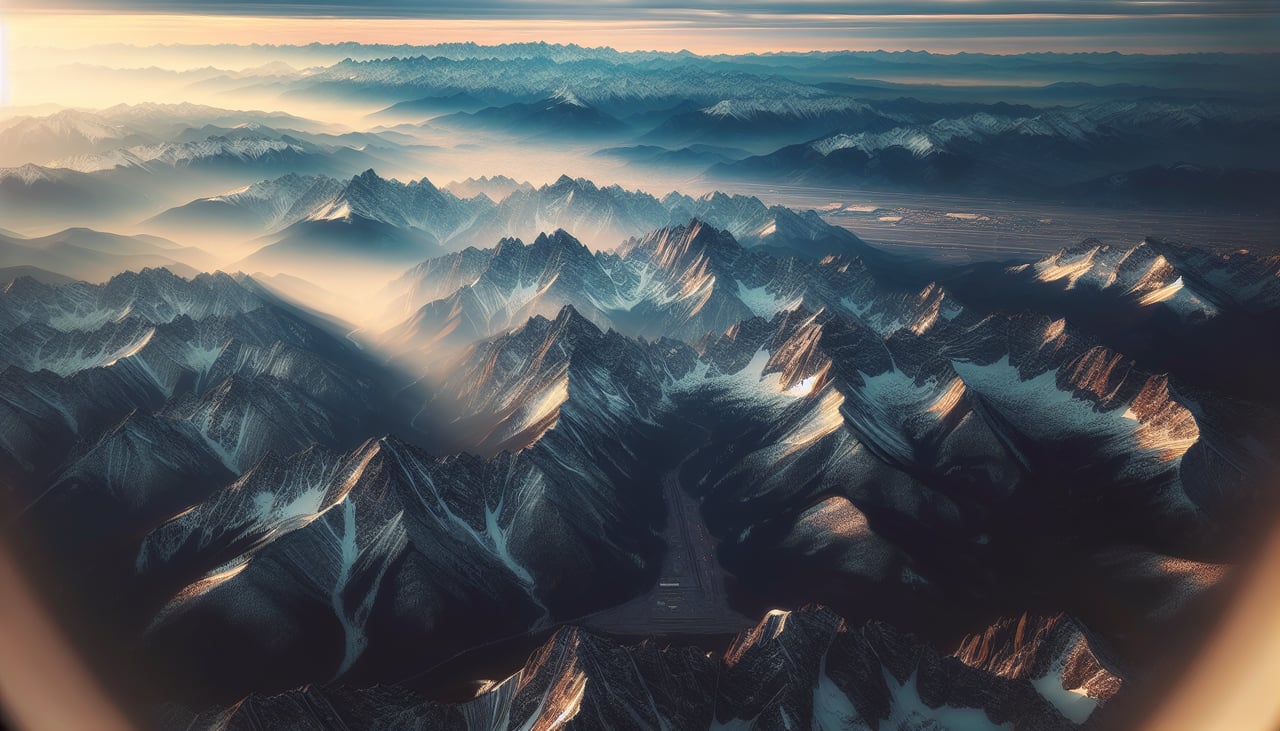
Great Basin desert ranges of Nevada and Utah, the Wasatch Range near the Utah-Colorado border, and the western edge of the Rocky Mountains approaching Colorado
Great circle distance and headings ›
.jpg?width=600)
Phase by phase
Takeoff from RNO
RIGHTDeparting RNO to the north before turning east, the right side gives passengers a good look back at Lake Tahoe's blue basin and the jagged Sierra Nevada crest fading into the distance as the plane climbs away from the Truckee Meadows.
Landing at DEN
RIGHTOn approach into DEN from the west, the Front Range of the Rockies remains visible off the right side as the aircraft descends over the high plains, with the Denver skyline and the abrupt mountain-to-plains transition clearly visible before touchdown.
Landmarks on this routeAll landmarks →
Will your flight be in sunlight?
Pick a date and time in the Sun Map to watch the sun move across your whole flight.
About This Route
Which side of the plane should I sit on flying from Reno Tahoe International (RNO) to Denver International (DEN)?
Sit on the Right side of the plane for the best views on flights from Reno to Denver. The right side delivers the strongest visual bookends of the flight — Lake Tahoe and the Sierra Nevada at departure, and the dramatic Front Range meeting the plains at arrival — while the left side mostly shows featureless Great Basin desert during cruise.
What can I see during takeoff from Reno Tahoe International in Reno?
During takeoff from Reno Tahoe International (RNO), sit on the Right side for the best views. Departing RNO to the north before turning east, the right side gives passengers a good look back at Lake Tahoe's blue basin and the jagged Sierra Nevada crest fading into the distance as the plane climbs away from the Truckee Meadows. Notable sights include: Lake Tahoe, Sierra Nevada crest, Carson Range, Truckee River valley.
What can I see when landing at Denver International in Denver?
When landing at Denver International (DEN), sit on the Right side for the best views. On approach into DEN from the west, the Front Range of the Rockies remains visible off the right side as the aircraft descends over the high plains, with the Denver skyline and the abrupt mountain-to-plains transition clearly visible before touchdown. Notable sights include: Front Range foothills, Denver skyline, South Platte River, high plains grassland.
How long is the flight from Reno to Denver?
The flight from Reno Tahoe International (RNO) to Denver International (DEN) takes about 1 hour 55 minutes. The shortest flight path between them is 802 miles (1,291 km); winds and air traffic control usually add a few percent.
What does the Reno to Denver flight path pass over?
Great Basin desert ranges of Nevada and Utah, the Wasatch Range near the Utah-Colorado border, and the western edge of the Rocky Mountains approaching Colorado