While takeoff favors the right side with Rainier and the Seattle skyline, the longer cruise over British Columbia's Coast Mountains and the dramatic Alaska Range approach into Fairbanks give the left side more sustained, higher-impact scenery over the full flight.
Flight Path
British Columbia's Coast Mountains and interior plateau, the Cassiar and Skeena ranges, the St. Elias Mountains near the Yukon-Alaska border, and the eastern Alaska Range approaching the Tanana Valley
Great circle distance and headings ›


Phase by phase
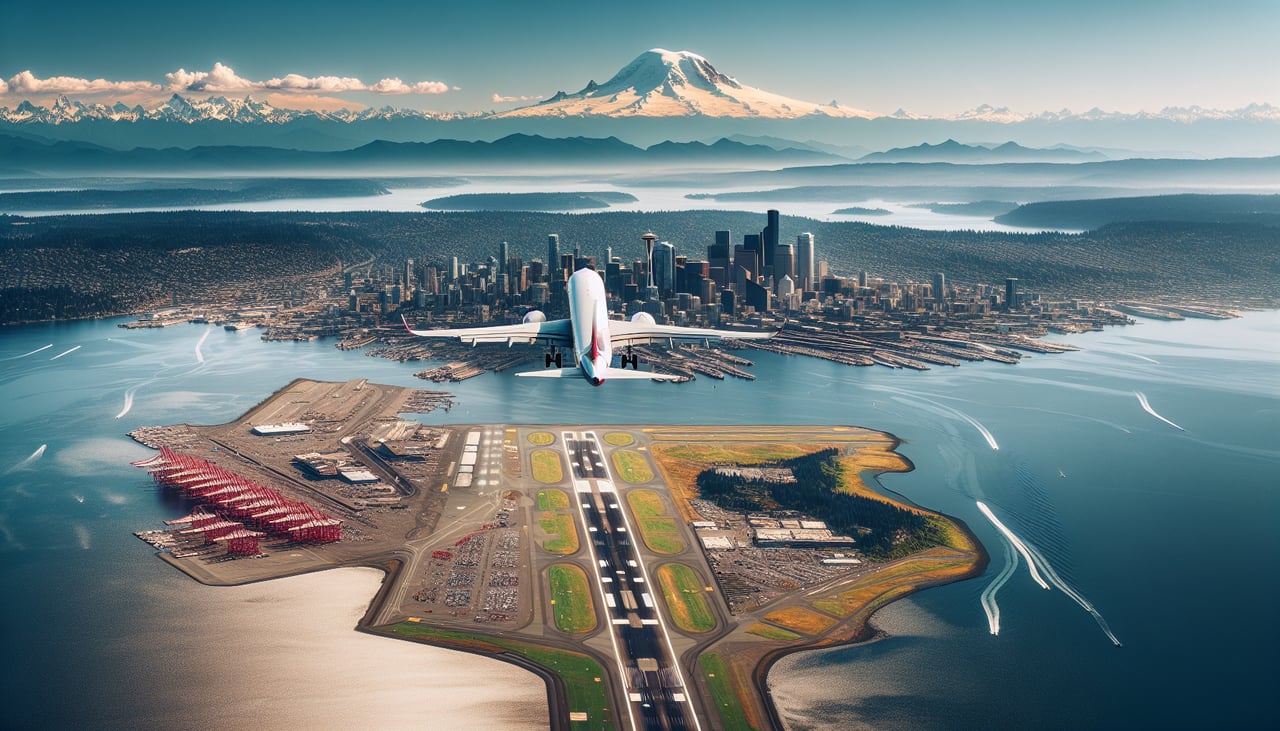
Takeoff from SEA
RIGHTDeparting SEA and turning onto a northbound course, the right side offers a clear view back across Lake Washington and downtown Seattle toward Mount Rainier and the Cascade front, while the left side mostly shows Puget Sound and the lower Olympic foothills.
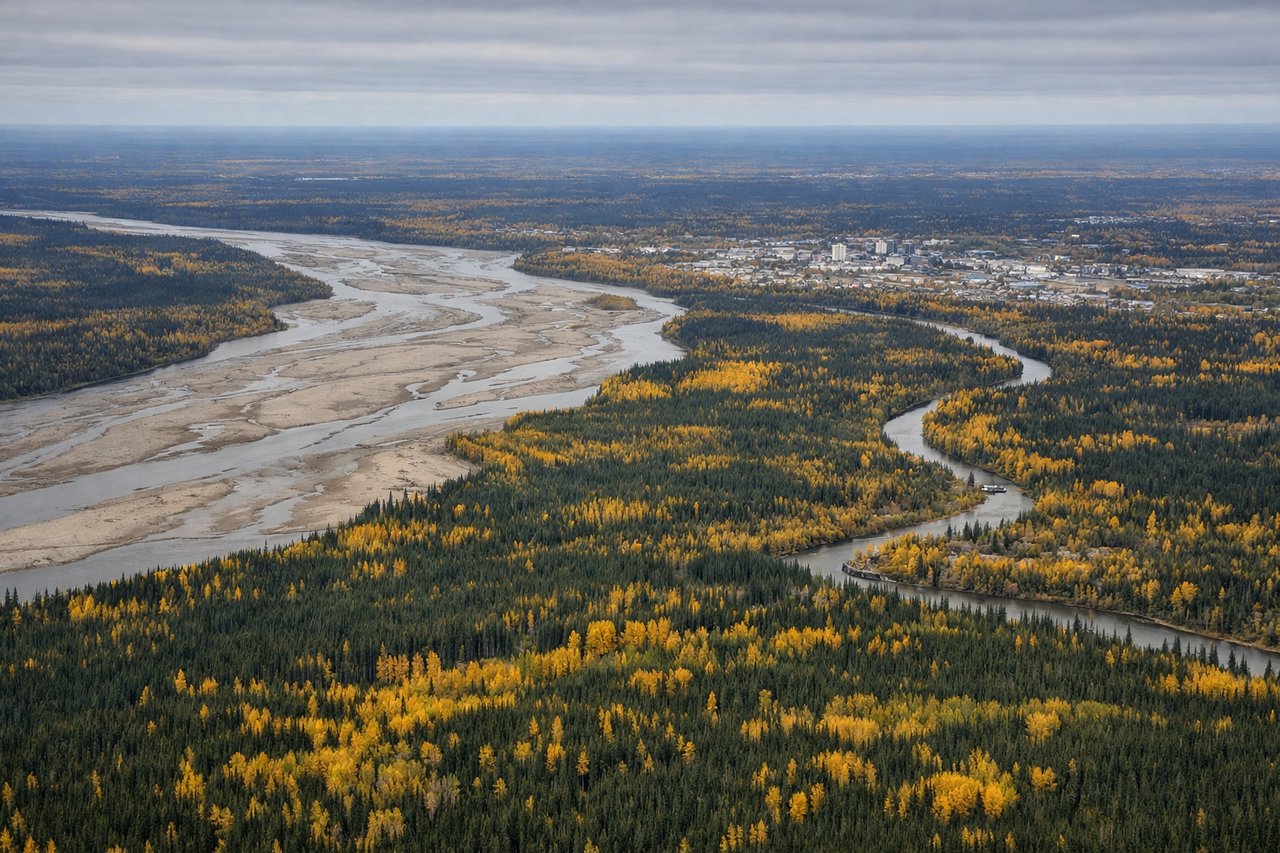
Landing at FAI
LEFTOn the descent into Fairbanks from the south, the left side faces southwest toward the Alaska Range, where the jagged, glaciated peaks around Denali can appear on the horizon on a clear day before the aircraft settles into the flat Tanana River valley for landing.
Landmarks on this routeAll landmarks →
Will your flight be in sunlight?
See exactly which side of the plane gets sun and shade at your departure time.
About This Route
Which side of the plane should I sit on flying from Seattle Tacoma International (SEA) to Fairbanks International (FAI)?
Sit on the Left side of the plane for the best views on flights from Seattle to Fairbanks. While takeoff favors the right side with Rainier and the Seattle skyline, the longer cruise over British Columbia's Coast Mountains and the dramatic Alaska Range approach into Fairbanks give the left side more sustained, higher-impact scenery over the full flight.
What can I see during takeoff from Seattle Tacoma International in Seattle?
During takeoff from Seattle Tacoma International (SEA), sit on the Right side for the best views. Departing SEA and turning onto a northbound course, the right side offers a clear view back across Lake Washington and downtown Seattle toward Mount Rainier and the Cascade front, while the left side mostly shows Puget Sound and the lower Olympic foothills. Notable sights include: Mount Rainier, Seattle downtown skyline, Lake Washington, Cascade foothills.
What can I see when landing at Fairbanks International in Fairbanks?
When landing at Fairbanks International (FAI), sit on the Left side for the best views. On the descent into Fairbanks from the south, the left side faces southwest toward the Alaska Range, where the jagged, glaciated peaks around Denali can appear on the horizon on a clear day before the aircraft settles into the flat Tanana River valley for landing. Notable sights include: Alaska Range crest, distant Denali summit, Tanana River valley, boreal taiga forest.
How long is the flight from Seattle to Fairbanks?
The flight from Seattle Tacoma International (SEA) to Fairbanks International (FAI) takes 3h 45m.
What does the Seattle to Fairbanks flight path pass over?
British Columbia's Coast Mountains and interior plateau, the Cassiar and Skeena ranges, the St. Elias Mountains near the Yukon-Alaska border, and the eastern Alaska Range approaching the Tanana Valley