While the Seattle takeoff favors the right side, the bulk of this long flight rewards the left side: the route curves north over Canada's boreal wilderness and Baffin Island before crossing the southern Greenland ice sheet, a dramatic, ever-changing panorama that dominates the cruise phase, followed by a left-side view of Iceland's volcanic coast and Reykjavik on final approach.
Flight Path
The flight path crosses northern Canada near Hudson Bay and Nunavut, then continues over Baffin Island and the Davis Strait before crossing the southern Greenland ice sheet and Denmark Strait on the way to Iceland.
Great circle distance and headings ›
.jpg?width=600)


Phase by phase
Takeoff from SEA
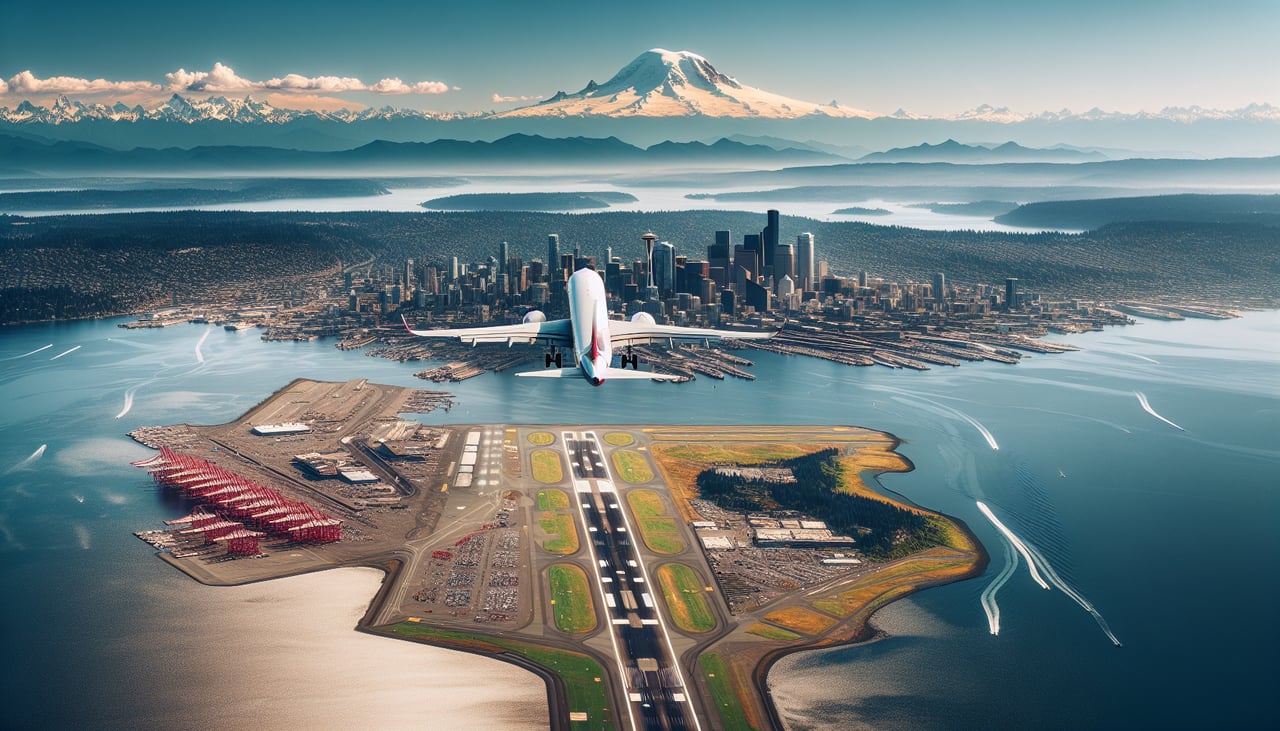
RIGHTSEA departures typically use runway 34, climbing northwest before banking right to pick up the northeast heading toward Canada. That right turn swings the right side of the cabin across Seattle's downtown skyline, Lake Washington, and Mount Rainier's snow-capped cone on the horizon, while the left side mostly sees the Olympic foothills and open water.
Landing at KEF
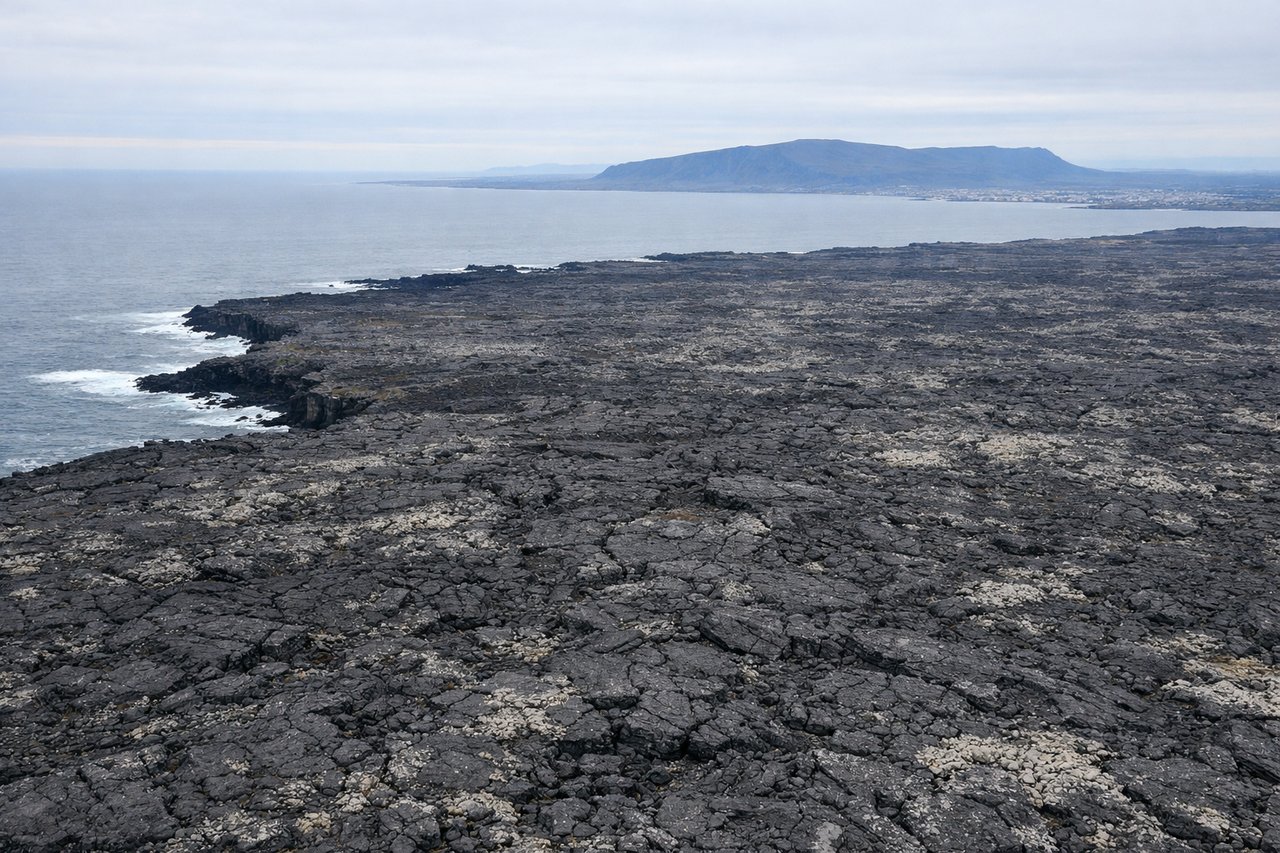
LEFTOn approach into Keflavik from the north (common with prevailing southerly winds favoring runway 19), the aircraft tracks south along Iceland's west coast, putting the black lava fields of the Reykjanes Peninsula and, further inland, Reykjavik across Faxafloi Bay on the left side of the cabin.
Landmarks on this routeAll landmarks →
Will your flight be in sunlight?
See exactly which side of the plane gets sun and shade at your departure time.
About This Route
Which side of the plane should I sit on flying from Seattle Tacoma International (SEA) to Keflavik Nas (KEF)?
Sit on the Left side of the plane for the best views on flights from Seattle to Keflavik. While the Seattle takeoff favors the right side, the bulk of this long flight rewards the left side: the route curves north over Canada's boreal wilderness and Baffin Island before crossing the southern Greenland ice sheet, a dramatic, ever-changing panorama that dominates the cruise phase, followed by a left-side view of Iceland's volcanic coast and Reykjavik on final approach.
What can I see during takeoff from Seattle Tacoma International in Seattle?
During takeoff from Seattle Tacoma International (SEA), sit on the Right side for the best views. SEA departures typically use runway 34, climbing northwest before banking right to pick up the northeast heading toward Canada. That right turn swings the right side of the cabin across Seattle's downtown skyline, Lake Washington, and Mount Rainier's snow-capped cone on the horizon, while the left side mostly sees the Olympic foothills and open water. Notable sights include: Mount Rainier, Downtown Seattle skyline, Lake Washington, Puget Sound.
What can I see when landing at Keflavik Nas in Keflavik?
When landing at Keflavik Nas (KEF), sit on the Left side for the best views. On approach into Keflavik from the north (common with prevailing southerly winds favoring runway 19), the aircraft tracks south along Iceland's west coast, putting the black lava fields of the Reykjanes Peninsula and, further inland, Reykjavik across Faxafloi Bay on the left side of the cabin. Notable sights include: Reykjanes Peninsula lava fields, Faxafloi Bay, Reykjavik skyline, Mount Esja.
How long is the flight from Seattle to Keflavik?
The flight from Seattle Tacoma International (SEA) to Keflavik Nas (KEF) takes 6h 55m.
What does the Seattle to Keflavik flight path pass over?
The flight path crosses northern Canada near Hudson Bay and Nunavut, then continues over Baffin Island and the Davis Strait before crossing the southern Greenland ice sheet and Denmark Strait on the way to Iceland.