Seattle to Oslo is 4,554 miles (7,329 km), a flight of about 9 hours 30 minutes.
Left side wins at both ends. Over the Arctic and Greenland the views are largely symmetric, but the left seat captures the best of Seattle's departure scenery and Oslo's fjord approach.
Flight Path
The great circle route tracks north over British Columbia and the Yukon, crosses the southern tip of Greenland's ice sheet near Prins Christian Sund, transits Iceland's volcanic interior or just south of it, then crosses the Norwegian Sea before descending over southern Norway. Greenland's ice cap and coastal fjords are the most dramatic visual feature at cruise altitude, visible on both sides. The Norwegian coast near Bergen may be visible on descent.
Great circle distance and headings ›
.jpg?width=600)


Phase by phase
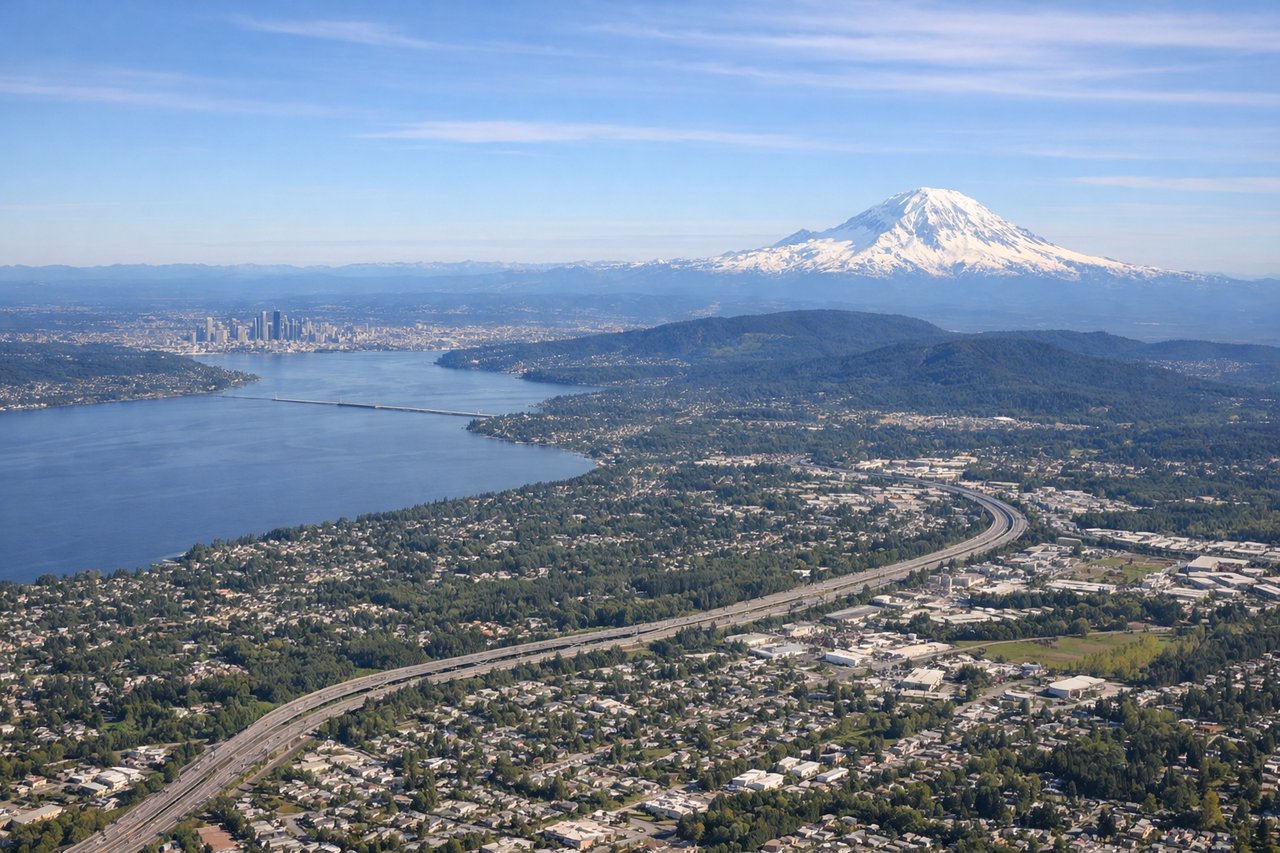
Takeoff from SEA
LEFTSEA primarily uses runways 16L/16R for southbound departures and 34L/34R for northbound. On a polar route to Oslo, aircraft typically depart northbound on 34s, then bank left (west then north). A left seat gives you Elliott Bay, downtown Seattle, and the Olympic Mountains as you climb out and turn north.
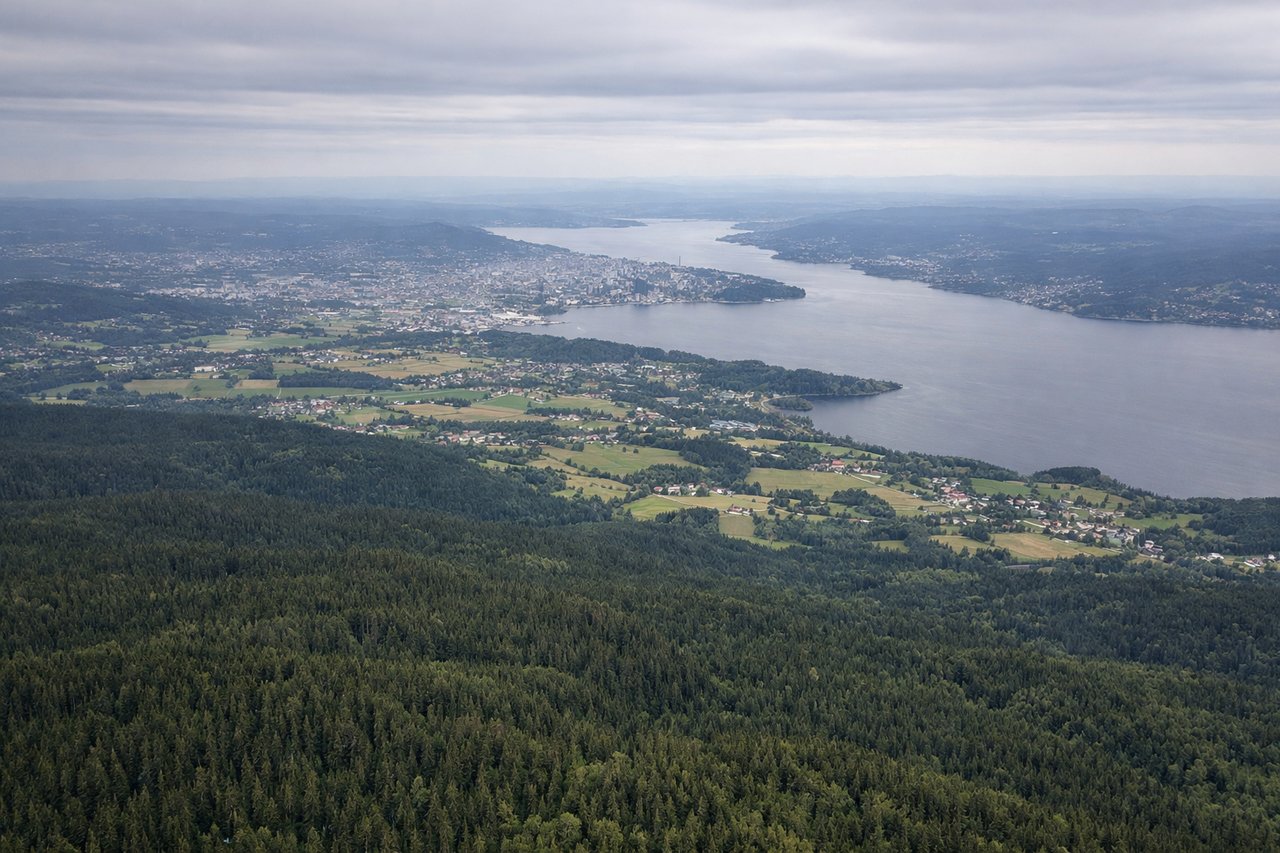
Landing at OSL
LEFTOslo Gardermoen sits northeast of Oslo. Aircraft typically approach from the south or southwest on runway 01L/01R heading north, or land on 19L/19R heading south. On approach from the west on a polar route, a left seat faces south toward Oslo city, the Oslofjord, and the surrounding forested hills of Østmarka.
Landmarks on this routeAll landmarks →
Will your flight be in sunlight?
Pick a date and time in the Sun Map to watch the sun move across your whole flight.
About This Route
Which side of the plane should I sit on flying from Seattle Tacoma International (SEA) to Oslo Gardermoen (OSL)?
Sit on the Left side of the plane for the best views on flights from Seattle to Oslo. Left side wins at both ends. Over the Arctic and Greenland the views are largely symmetric, but the left seat captures the best of Seattle's departure scenery and Oslo's fjord approach.
What can I see during takeoff from Seattle Tacoma International in Seattle?
During takeoff from Seattle Tacoma International (SEA), sit on the Left side for the best views. SEA primarily uses runways 16L/16R for southbound departures and 34L/34R for northbound. On a polar route to Oslo, aircraft typically depart northbound on 34s, then bank left (west then north). A left seat gives you Elliott Bay, downtown Seattle, and the Olympic Mountains as you climb out and turn north. Notable sights include: Elliott Bay and downtown Seattle skyline, Olympic Mountains to the west, Puget Sound waterways, Lake Washington to the east.
What can I see when landing at Oslo Gardermoen in Oslo?
When landing at Oslo Gardermoen (OSL), sit on the Left side for the best views. Oslo Gardermoen sits northeast of Oslo. Aircraft typically approach from the south or southwest on runway 01L/01R heading north, or land on 19L/19R heading south. On approach from the west on a polar route, a left seat faces south toward Oslo city, the Oslofjord, and the surrounding forested hills of Østmarka. Notable sights include: Oslofjord inlet, Oslo city center and harbor, Lake Mjøsa to the north, forested Romerike plateau surrounding the airport.
How long is the flight from Seattle to Oslo?
The flight from Seattle Tacoma International (SEA) to Oslo Gardermoen (OSL) takes about 9 hours 30 minutes. The shortest flight path between them is 4,554 miles (7,329 km); winds and air traffic control usually add a few percent.
What does the Seattle to Oslo flight path pass over?
The great circle route tracks north over British Columbia and the Yukon, crosses the southern tip of Greenland's ice sheet near Prins Christian Sund, transits Iceland's volcanic interior or just south of it, then crosses the Norwegian Sea before descending over southern Norway. Greenland's ice cap and coastal fjords are the most dramatic visual feature at cruise altitude, visible on both sides. The Norwegian coast near Bergen may be visible on descent.