The left side wins on both ends: the Great Salt Lake at departure and Chiba's coastal patchwork with distant Tokyo Bay views at arrival, plus a west-facing cruise view over the Cascade volcanoes and Aleutian island chain, giving far more visual variety than the plain terrain visible from the right.
Flight Path
Cascade volcanoes near the Washington coast, Gulf of Alaska, Aleutian Islands, North Pacific open ocean, Kamchatka Peninsula
Great circle distance and headings ›


Phase by phase
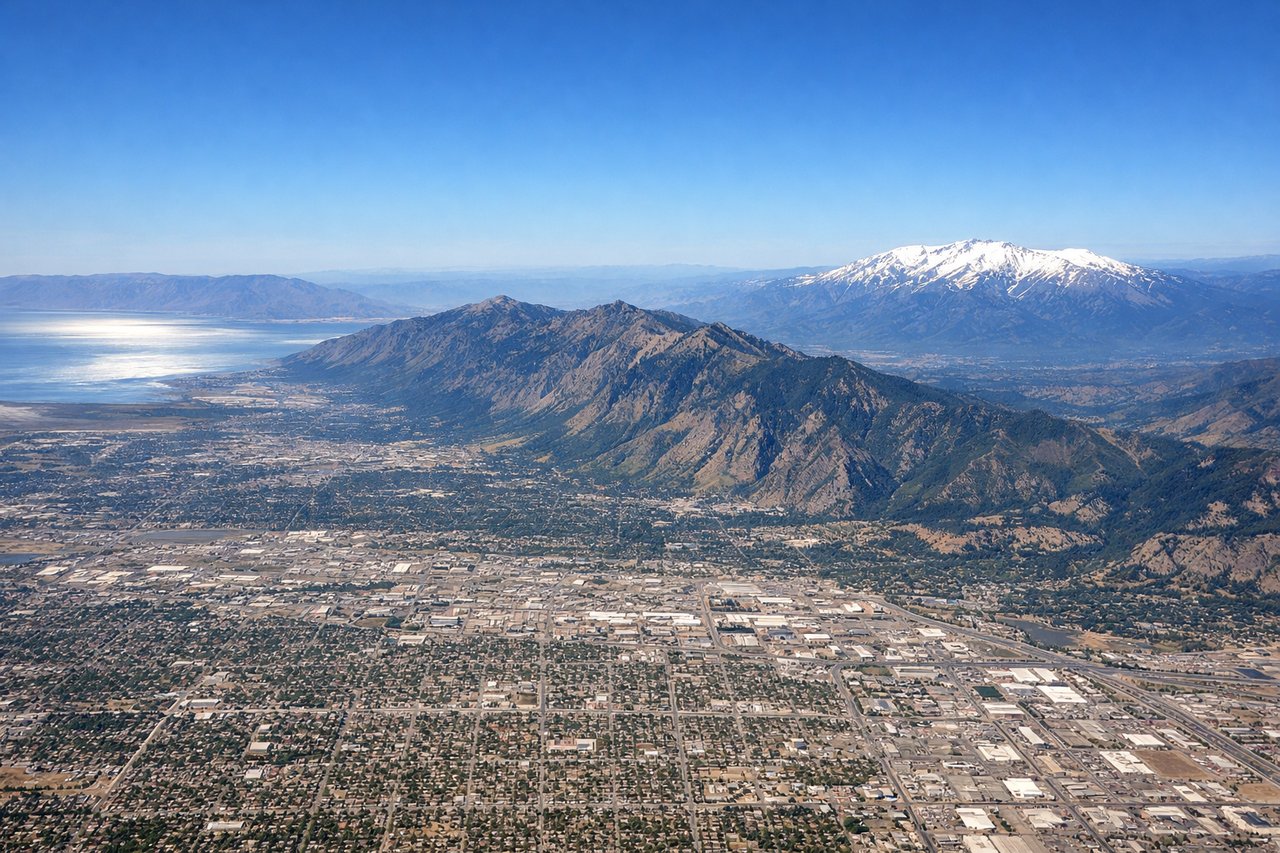
Takeoff from SLC
LEFTDeparting SLC to the north, the left side looks west over the Great Salt Lake and its stark salt flats and islands, a striking and immediately recognizable landscape. The right side only shows the Wasatch Front foothills before the plane turns away from them.
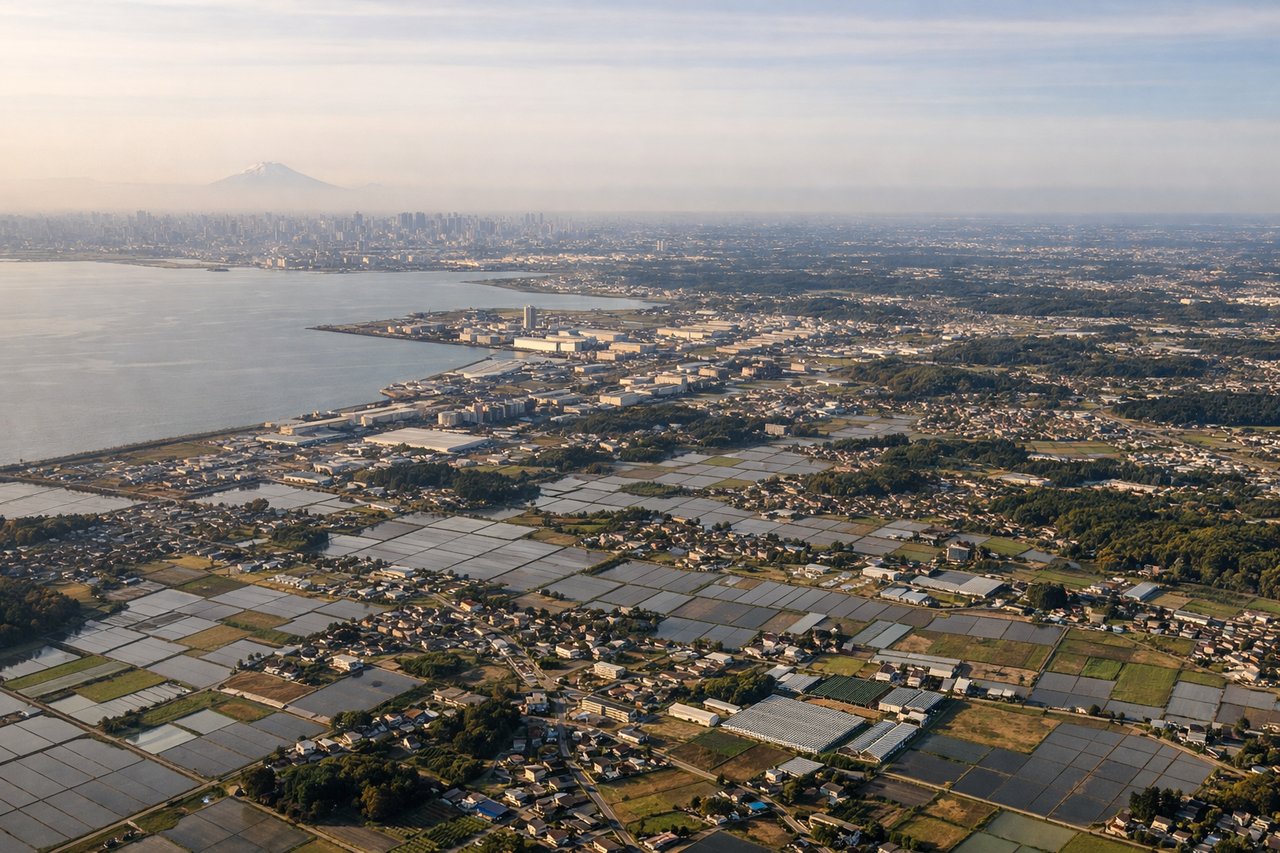
Landing at NRT
LEFTOn approach to Narita from the north, the left side offers views across Chiba's patchwork farmland toward the distant Pacific coastline and, on clear days, the Tokyo Bay industrial waterfront in the far distance. The right side mostly shows featureless inland terrain with no coastline or skyline.
Landmarks on this routeAll landmarks →
Will your flight be in sunlight?
See exactly which side of the plane gets sun and shade at your departure time.
About This Route
Which side of the plane should I sit on flying from Salt Lake City International (SLC) to New Tokyo International (NRT)?
Sit on the Left side of the plane for the best views on flights from Salt Lake City to Tokyo. The left side wins on both ends: the Great Salt Lake at departure and Chiba's coastal patchwork with distant Tokyo Bay views at arrival, plus a west-facing cruise view over the Cascade volcanoes and Aleutian island chain, giving far more visual variety than the plain terrain visible from the right.
What can I see during takeoff from Salt Lake City International in Salt Lake City?
During takeoff from Salt Lake City International (SLC), sit on the Left side for the best views. Departing SLC to the north, the left side looks west over the Great Salt Lake and its stark salt flats and islands, a striking and immediately recognizable landscape. The right side only shows the Wasatch Front foothills before the plane turns away from them. Notable sights include: Great Salt Lake, Antelope Island, Great Salt Lake Desert, Oquirrh Mountains.
What can I see when landing at New Tokyo International in Tokyo?
When landing at New Tokyo International (NRT), sit on the Left side for the best views. On approach to Narita from the north, the left side offers views across Chiba's patchwork farmland toward the distant Pacific coastline and, on clear days, the Tokyo Bay industrial waterfront in the far distance. The right side mostly shows featureless inland terrain with no coastline or skyline. Notable sights include: Chiba coastline, Tokyo Bay (distant), Boso Peninsula farmland, Narita cityscape.
How long is the flight from Salt Lake City to Tokyo?
The flight from Salt Lake City International (SLC) to New Tokyo International (NRT) takes 11h 45m.
What does the Salt Lake City to Tokyo flight path pass over?
Cascade volcanoes near the Washington coast, Gulf of Alaska, Aleutian Islands, North Pacific open ocean, Kamchatka Peninsula