St. Louis to London is 4,189 miles (6,742 km), a flight of about 8 hours 5 minutes.
The right side offers a brief but genuine skyline moment at both ends of the flight—St. Louis's Arch and riverfront on departure, and London's Thames and Canary Wharf on arrival—while the long mid-Atlantic and Canadian wilderness crossing is scenically neutral for either side.
Flight Path
Great Lakes region (Lake Erie or Ontario), the forested Canadian Shield and Quebec/Labrador coastline, then several hours of open North Atlantic before the Irish coast comes into view on descent toward the UK.
Great circle distance and headings ›

.jpeg?width=600)
Phase by phase

Takeoff from STL
RIGHTDeparting STL, the aircraft typically turns onto an eastbound heading shortly after takeoff, putting downtown St. Louis and the Mississippi/Missouri confluence on the right side. Passengers get a brief but clear look at the Gateway Arch and river bluffs before climbing over flat Illinois farmland.
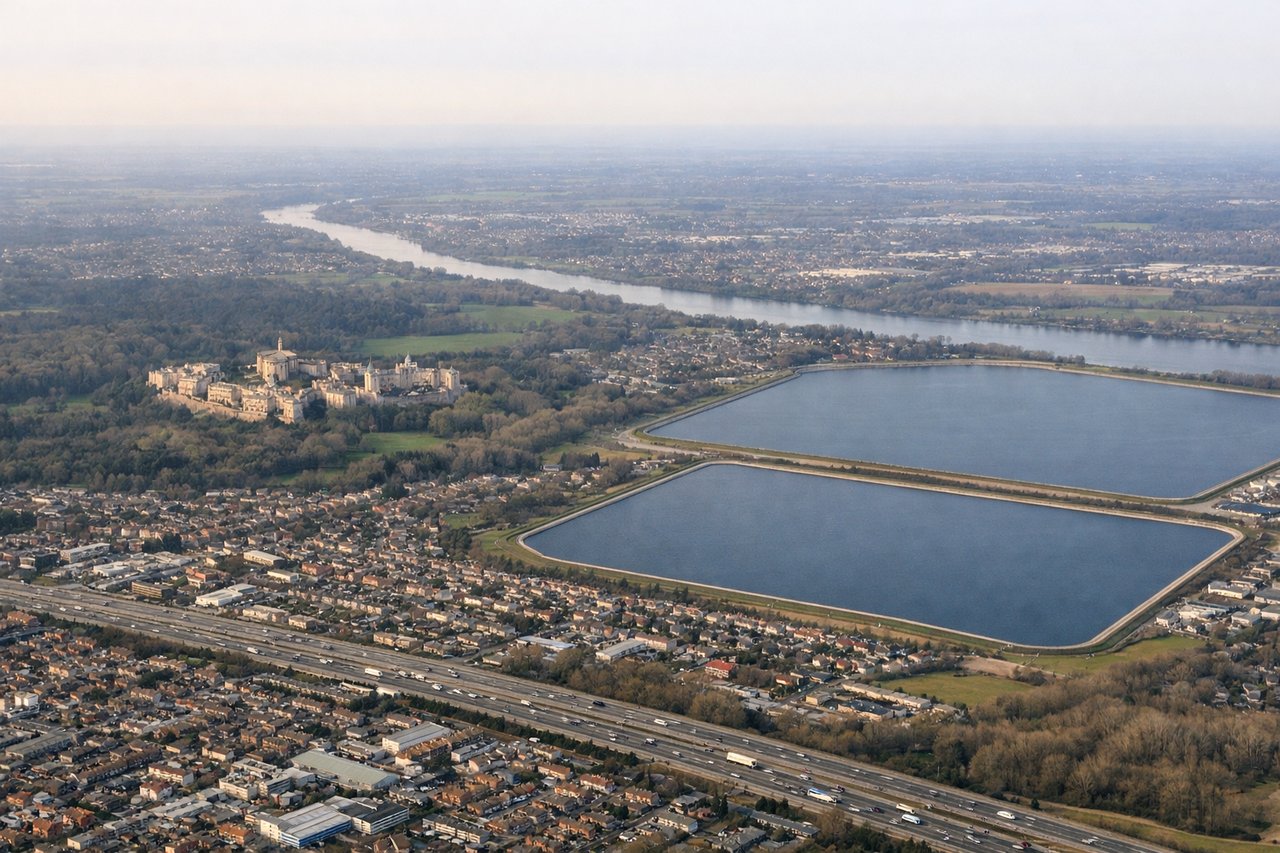
Landing at LHR
RIGHTOn the common westerly-operations approach into LHR, the aircraft descends from the east directly over London before turning onto final for runway 27. This puts the City of London, Canary Wharf, and the Thames on the right side of the aircraft as it passes north of the river bend.
Landmarks on this routeAll landmarks →
Will your flight be in sunlight?
Pick a date and time in the Sun Map to watch the sun move across your whole flight.
About This Route
Which side of the plane should I sit on flying from Lambert St Louis International (STL) to Heathrow (LHR)?
Sit on the Right side of the plane for the best views on flights from St. Louis to London. The right side offers a brief but genuine skyline moment at both ends of the flight—St. Louis's Arch and riverfront on departure, and London's Thames and Canary Wharf on arrival—while the long mid-Atlantic and Canadian wilderness crossing is scenically neutral for either side.
What can I see during takeoff from Lambert St Louis International in St. Louis?
During takeoff from Lambert St Louis International (STL), sit on the Right side for the best views. Departing STL, the aircraft typically turns onto an eastbound heading shortly after takeoff, putting downtown St. Louis and the Mississippi/Missouri confluence on the right side. Passengers get a brief but clear look at the Gateway Arch and river bluffs before climbing over flat Illinois farmland. Notable sights include: Gateway Arch, Mississippi River, Missouri River confluence, Forest Park.
What can I see when landing at Heathrow in London?
When landing at Heathrow (LHR), sit on the Right side for the best views. On the common westerly-operations approach into LHR, the aircraft descends from the east directly over London before turning onto final for runway 27. This puts the City of London, Canary Wharf, and the Thames on the right side of the aircraft as it passes north of the river bend. Notable sights include: River Thames, Canary Wharf skyline, City of London towers, Wembley Stadium in the distance.
How long is the flight from St. Louis to London?
The flight from Lambert St Louis International (STL) to Heathrow (LHR) takes about 8 hours 5 minutes. The shortest flight path between them is 4,189 miles (6,742 km); winds and air traffic control usually add a few percent.
What does the St. Louis to London flight path pass over?
Great Lakes region (Lake Erie or Ontario), the forested Canadian Shield and Quebec/Labrador coastline, then several hours of open North Atlantic before the Irish coast comes into view on descent toward the UK.