While takeoff favors the right for Gulf of Finland views, the landing approach into Heathrow from the east provides left-side passengers with superior scenery of the Thames, London's urban landscape, and surrounding countryside. The landing experience outweighs the takeoff advantage.
Flown TLL to LHR? Did we get it right?
Flight Path
Tallinn to London is 1,123 miles (1,808 km), a flight of about 2 hours 50 minutes.
The flight path crosses the North Sea heading southwest. Over water, you'll see the North Sea's open expanse. As you approach the UK, the East Anglian coast becomes visible (Norfolk/Suffolk area), followed by the Midlands and southern English countryside. The Pennines are too far north of this route to be visible. Key midpoint landmarks include the North Sea crossing, the English east coast near The Wash, and the gradual transition from rural Midlands to the increasingly dense suburban landscape of the Home Counties as you approach London.
Great circle distance and headings ›Phase by phase
Takeoff from TLL
RIGHTRight-side seats offer views of the Gulf of Finland and the Estonian coastline as the aircraft climbs out westward. You'll see the irregular rocky shoreline and scattered islands that characterize this region before heading out over open water.
Landing at LHR
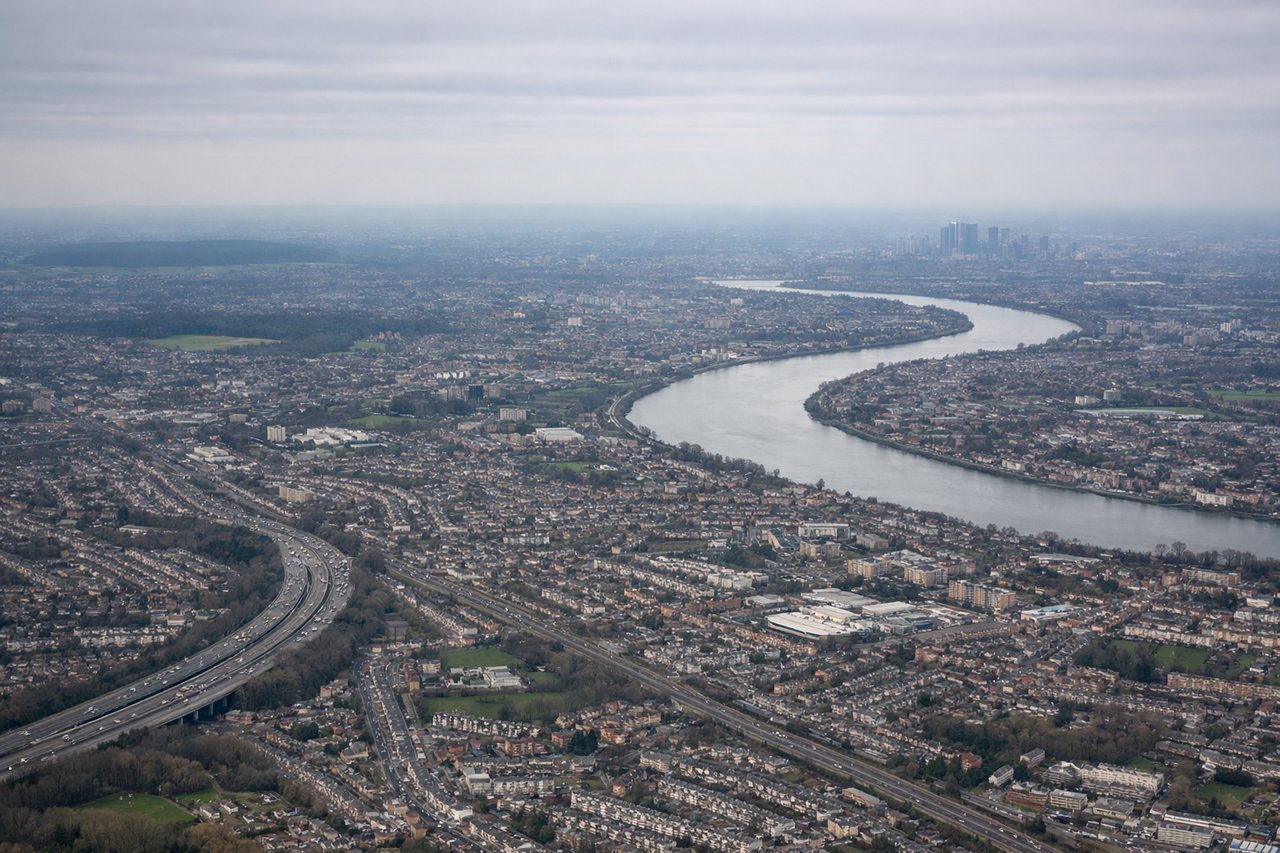
LEFTLeft-side seats provide excellent views during descent into Heathrow. You'll see the Thames River winding through London, the city's urban sprawl, and the distinctive pattern of London's suburbs and green spaces. The approach path from the east gives left-side passengers the best perspective of these features.
Will your flight be in sunlight?
Pick a date and time in the Sun Map to watch the sun move across your whole flight.
About This Route
Which side of the plane should I sit on flying from Tallinn (TLL) to Heathrow (LHR)?
Sit on the Left side of the plane for the best views on flights from Tallinn to London. While takeoff favors the right for Gulf of Finland views, the landing approach into Heathrow from the east provides left-side passengers with superior scenery of the Thames, London's urban landscape, and surrounding countryside. The landing experience outweighs the takeoff advantage.
What can I see during takeoff from Tallinn in Tallinn?
During takeoff from Tallinn (TLL), sit on the Right side for the best views. Right-side seats offer views of the Gulf of Finland and the Estonian coastline as the aircraft climbs out westward. You'll see the irregular rocky shoreline and scattered islands that characterize this region before heading out over open water. Notable sights include: Gulf of Finland, Tallinn Bay, Estonian archipelago (Naissaar and Aegna islands), Lake Ülemiste (visible before takeoff during taxi).
What can I see when landing at Heathrow in London?
When landing at Heathrow (LHR), sit on the Left side for the best views. Left-side seats provide excellent views during descent into Heathrow. You'll see the Thames River winding through London, the city's urban sprawl, and the distinctive pattern of London's suburbs and green spaces. The approach path from the east gives left-side passengers the best perspective of these features. Notable sights include: River Thames (multiple meanders visible), London urban area and suburbs, Colne Valley reservoirs, Windsor Castle area (visible on clear days).
How long is the flight from Tallinn to London?
The flight from Tallinn (TLL) to Heathrow (LHR) takes about 2 hours 50 minutes. The shortest flight path between them is 1,123 miles (1,808 km); winds and air traffic control usually add a few percent.
What does the Tallinn to London flight path pass over?
The flight path crosses the North Sea heading southwest. Over water, you'll see the North Sea's open expanse. As you approach the UK, the East Anglian coast becomes visible (Norfolk/Suffolk area), followed by the Midlands and southern English countryside. The Pennines are too far north of this route to be visible. Key midpoint landmarks include the North Sea crossing, the English east coast near The Wash, and the gradual transition from rural Midlands to the increasingly dense suburban landscape of the Home Counties as you approach London.