The left side wins primarily on the strength of the Tampa Bay departure, which offers a genuinely scenic coastal and urban view, while the rest of the flight over Georgia's flat-to-rolling terrain is unremarkable on either side.
Flight Path
Tampa to Atlanta is 407 miles (655 km), a flight of about 1 hour 25 minutes.
Rural central Florida flatwoods and farmland transitioning into the rolling Piedmont plateau of southern Georgia, with the Ocala National Forest and small lakes visible early in the route.
Great circle distance and headings ›Phase by phase
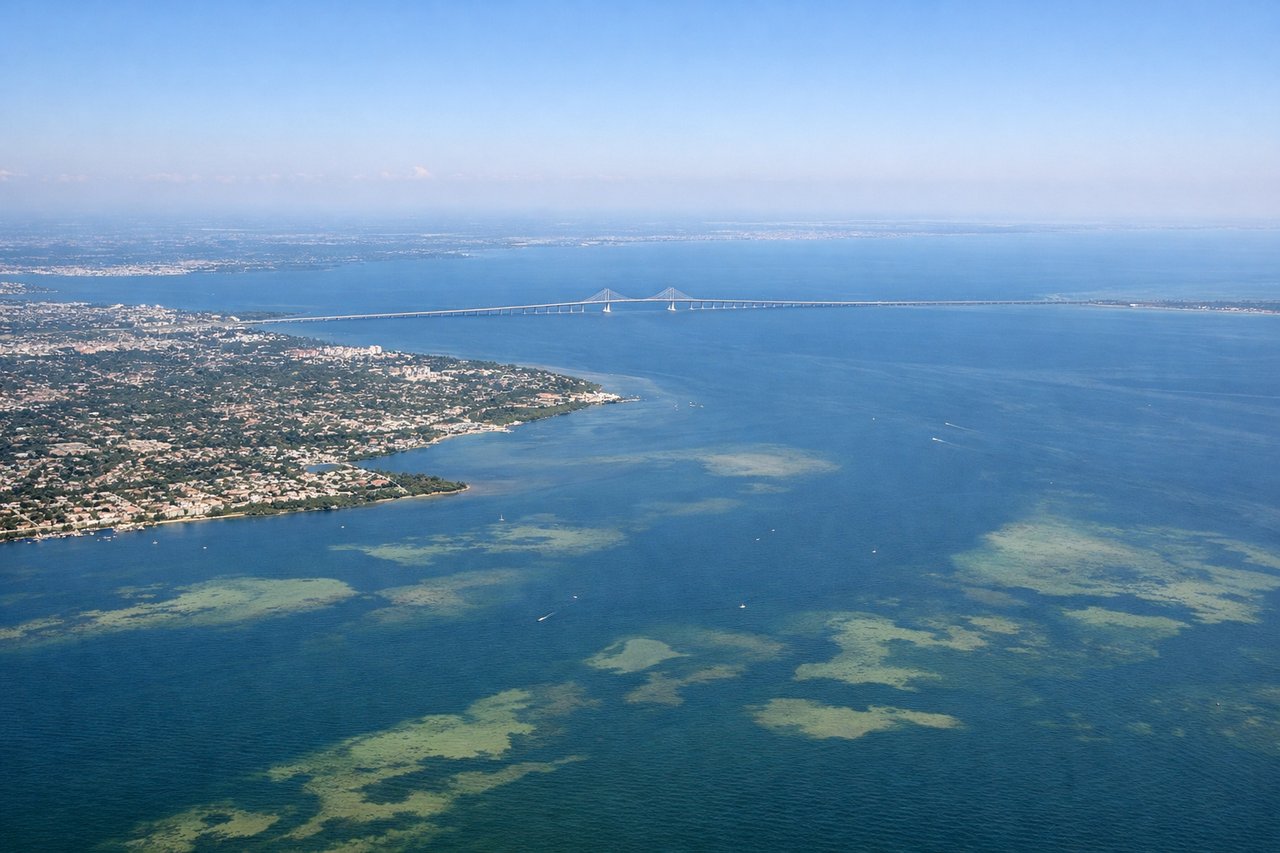
Takeoff from TPA
LEFTDeparting TPA to the north, the left side offers views over Tampa Bay, Old Tampa Bay, and the Gulf coastline before the route turns inland. It's the more visually distinct side during climb-out, with water, causeways, and coastal development visible.

Landing at ATL
RIGHTArriving into ATL from the south or southwest, the right side gives a glimpse of Atlanta's skyline and the rolling green Piedmont terrain as the plane descends, offering slightly more urban interest than the opposite side's suburban sprawl.
Landmarks on this routeAll landmarks →
Will your flight be in sunlight?
Pick a date and time in the Sun Map to watch the sun move across your whole flight.
About This Route
Which side of the plane should I sit on flying from Tampa International (TPA) to The William B Hartsfield Atlanta International (ATL)?
Sit on the Left side of the plane for the best views on flights from Tampa to Atlanta. The left side wins primarily on the strength of the Tampa Bay departure, which offers a genuinely scenic coastal and urban view, while the rest of the flight over Georgia's flat-to-rolling terrain is unremarkable on either side.
What can I see during takeoff from Tampa International in Tampa?
During takeoff from Tampa International (TPA), sit on the Left side for the best views. Departing TPA to the north, the left side offers views over Tampa Bay, Old Tampa Bay, and the Gulf coastline before the route turns inland. It's the more visually distinct side during climb-out, with water, causeways, and coastal development visible. Notable sights include: Tampa Bay, Courtney Campbell Causeway, Downtown Tampa skyline, Gulf of Mexico coastline.
What can I see when landing at The William B Hartsfield Atlanta International in Atlanta?
When landing at The William B Hartsfield Atlanta International (ATL), sit on the Right side for the best views. Arriving into ATL from the south or southwest, the right side gives a glimpse of Atlanta's skyline and the rolling green Piedmont terrain as the plane descends, offering slightly more urban interest than the opposite side's suburban sprawl. Notable sights include: Atlanta downtown skyline, Piedmont foothills, Chattahoochee River, suburban Atlanta sprawl.
How long is the flight from Tampa to Atlanta?
The flight from Tampa International (TPA) to The William B Hartsfield Atlanta International (ATL) takes about 1 hour 25 minutes. The shortest flight path between them is 407 miles (655 km); winds and air traffic control usually add a few percent.
What does the Tampa to Atlanta flight path pass over?
Rural central Florida flatwoods and farmland transitioning into the rolling Piedmont plateau of southern Georgia, with the Ocala National Forest and small lakes visible early in the route.