Right side scores higher (3.5 vs 2.5) due to superior scenic variety across the full flight. Takeoff offers immediate coastal and bay scenery; cruise crosses the Atlantic with occasional ship traffic and weather systems visible; landing provides the Seine River's dramatic meanders and Île-de-France agricultural landscape. Left side experiences extended ocean monotony during cruise (5+ hours of open Atlantic) with only the departure's inland Florida views and arrival's suburban Paris sprawl to break the pattern.
Flown TPA to CDG? Did we get it right?
Flight Path
Tampa to Paris is 4,573 miles (7,360 km), a flight of about 7 hours 45 minutes.
North Atlantic Ocean with occasional weather systems and ship traffic; Azores region (typically 500+ miles south of track); Irish coast and Celtic Sea approaching Europe; English Channel or Bay of Biscay depending on routing; Normandy coast and Seine River valley on final approach to Paris
Great circle distance and headings ›Phase by phase
Takeoff from TPA
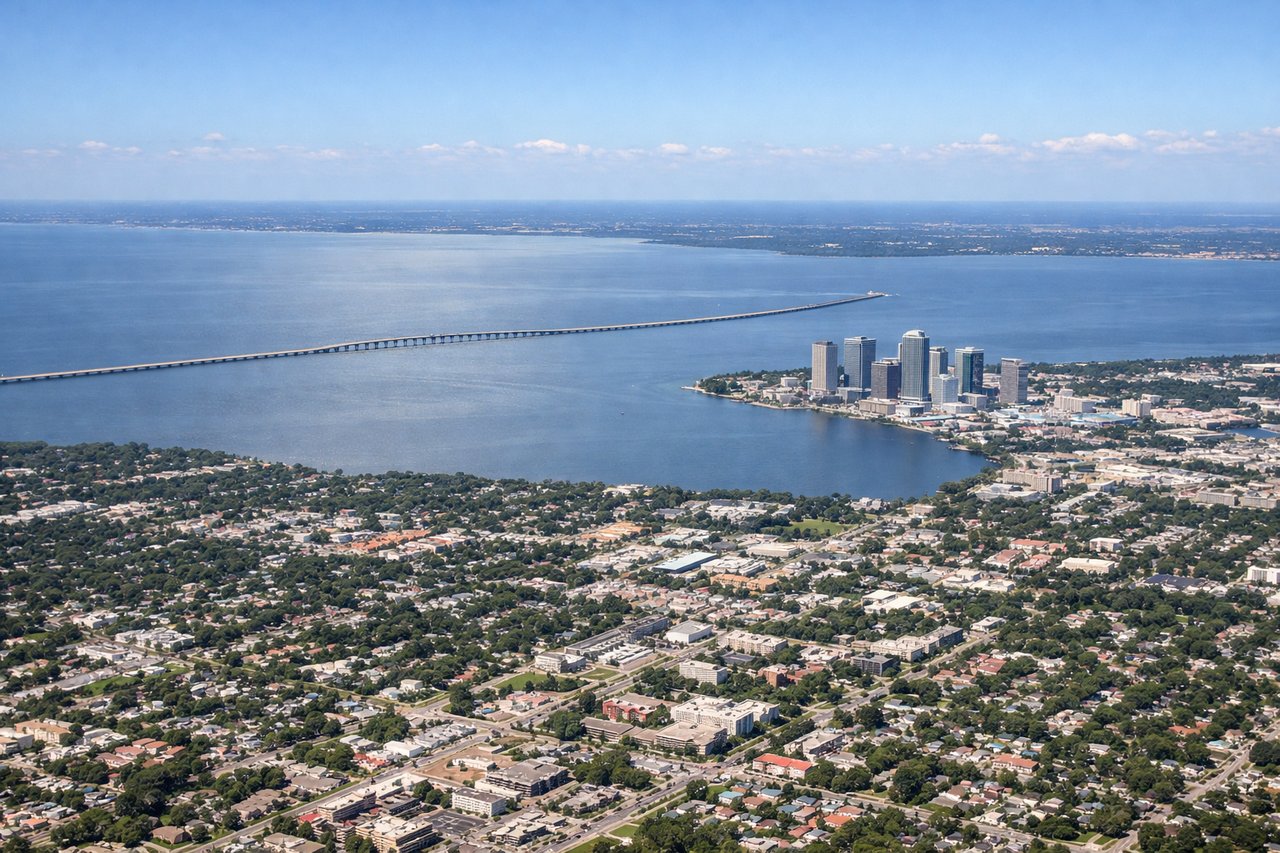
RIGHTRight side captures Tampa Bay's distinctive water features and coastal geography during northbound departure. The bay, barrier islands, and Gulf of Mexico shoreline provide immediate visual interest as the aircraft climbs out on runway 01.
Landing at CDG
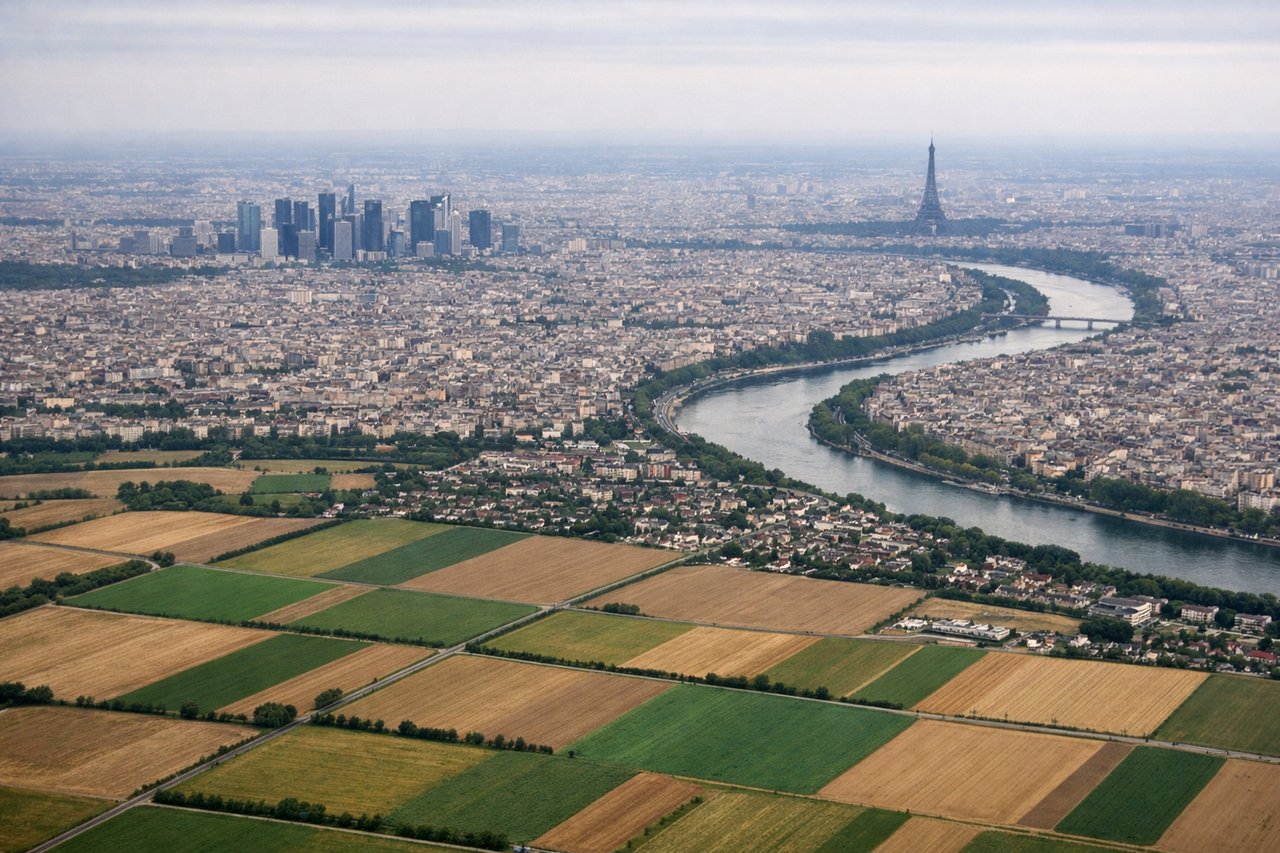
RIGHTRight side offers superior views during the CDG approach. Westbound arrivals (prevailing '26/27' configuration) descend over the Seine River valley, Île-de-France farmland, and the distinctive Seine meanders. The river's serpentine path and surrounding patchwork agricultural landscape provide continuous visual interest during the final descent.
Will your flight be in sunlight?
Pick a date and time in the Sun Map to watch the sun move across your whole flight.
About This Route
Which side of the plane should I sit on flying from Tampa International (TPA) to Charles De Gaulle (CDG)?
Sit on the Right side of the plane for the best views on flights from Tampa to Paris. Right side scores higher (3.5 vs 2.5) due to superior scenic variety across the full flight. Takeoff offers immediate coastal and bay scenery; cruise crosses the Atlantic with occasional ship traffic and weather systems visible; landing provides the Seine River's dramatic meanders and Île-de-France agricultural landscape. Left side experiences extended ocean monotony during cruise (5+ hours of open Atlantic) with only the departure's inland Florida views and arrival's suburban Paris sprawl to break the pattern.
What can I see during takeoff from Tampa International in Tampa?
During takeoff from Tampa International (TPA), sit on the Right side for the best views. Right side captures Tampa Bay's distinctive water features and coastal geography during northbound departure. The bay, barrier islands, and Gulf of Mexico shoreline provide immediate visual interest as the aircraft climbs out on runway 01. Notable sights include: Tampa Bay with its irregular shoreline, Hillsborough Bay, barrier islands (Clearwater Beach, Treasure Island), Gulf of Mexico coastline.
What can I see when landing at Charles De Gaulle in Paris?
When landing at Charles De Gaulle (CDG), sit on the Right side for the best views. Right side offers superior views during the CDG approach. Westbound arrivals (prevailing '26/27' configuration) descend over the Seine River valley, Île-de-France farmland, and the distinctive Seine meanders. The river's serpentine path and surrounding patchwork agricultural landscape provide continuous visual interest during the final descent. Notable sights include: Seine River with characteristic meanders, Île-de-France agricultural patchwork, Versailles region, Paris metropolitan sprawl on approach.
How long is the flight from Tampa to Paris?
The flight from Tampa International (TPA) to Charles De Gaulle (CDG) takes about 7 hours 45 minutes. The shortest flight path between them is 4,573 miles (7,360 km); winds and air traffic control usually add a few percent.
What does the Tampa to Paris flight path pass over?
North Atlantic Ocean with occasional weather systems and ship traffic; Azores region (typically 500+ miles south of track); Irish coast and Celtic Sea approaching Europe; English Channel or Bay of Biscay depending on routing; Normandy coast and Seine River valley on final approach to Paris