The right side offers superior scenery on departure (Taiwan's dramatic mountain ranges and coastline) and provides reasonable views during the long overwater crossing. While the left side wins on landing, the takeoff experience is more visually rewarding and the flight path favors right-side viewing for extended periods.
Flown TPE to MEL? Did we get it right?
Flight Path
Taipei to Melbourne is 4,598 miles (7,400 km), a flight of about 9 hours.
The flight path crosses the South China Sea heading southeast, passing east of the Philippines (Luzon visible on some routes), then over the Coral Sea. Notable features include the Philippine archipelago's mountainous islands (if visible on the route), the Coral Sea's deep blue waters, and the Great Barrier Reef region off Queensland's coast during the final approach to Australia. The flight typically maintains cruising altitude of 35,000-43,000 feet for most of the overwater segment, limiting detailed ground visibility but offering expansive seascape views.
Great circle distance and headings ›


Phase by phase

Takeoff from TPE
RIGHTRight-side seats capture the northeastern Taiwan coastline and the Central Mountain Range as the aircraft climbs southeastward out of Taipei. The Keelung River valley and Taipei basin are visible immediately after departure, with dramatic peaks rising inland.
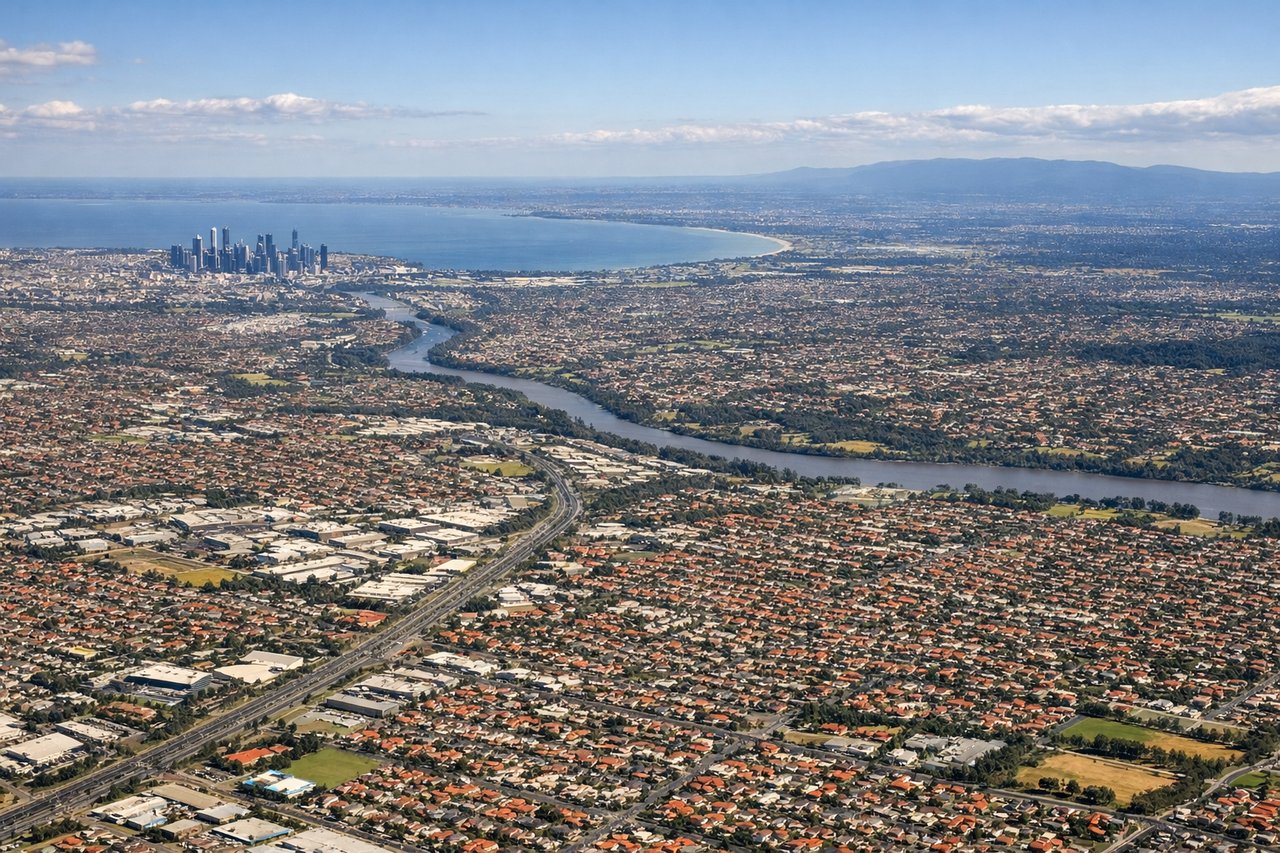
Landing at MEL
LEFTLeft-side seats provide views of the Port Phillip Bay approach and the Dandenong Ranges as the aircraft descends into Melbourne from the northwest. The bay's distinctive shape and the green forested ridgelines are prominent during final approach.
Will your flight be in sunlight?
Pick a date and time in the Sun Map to watch the sun move across your whole flight.
About This Route
Which side of the plane should I sit on flying from Chiang Kai Shek International (TPE) to Melbourne International (MEL)?
Sit on the Right side of the plane for the best views on flights from Taipei to Melbourne. The right side offers superior scenery on departure (Taiwan's dramatic mountain ranges and coastline) and provides reasonable views during the long overwater crossing. While the left side wins on landing, the takeoff experience is more visually rewarding and the flight path favors right-side viewing for extended periods.
What can I see during takeoff from Chiang Kai Shek International in Taipei?
During takeoff from Chiang Kai Shek International (TPE), sit on the Right side for the best views. Right-side seats capture the northeastern Taiwan coastline and the Central Mountain Range as the aircraft climbs southeastward out of Taipei. The Keelung River valley and Taipei basin are visible immediately after departure, with dramatic peaks rising inland. Notable sights include: Central Mountain Range (Xueshan and Daxueshan peaks), Keelung River valley, Taipei basin urban sprawl, northeastern Taiwan coastline near Jiufen.
What can I see when landing at Melbourne International in Melbourne?
When landing at Melbourne International (MEL), sit on the Left side for the best views. Left-side seats provide views of the Port Phillip Bay approach and the Dandenong Ranges as the aircraft descends into Melbourne from the northwest. The bay's distinctive shape and the green forested ridgelines are prominent during final approach. Notable sights include: Port Phillip Bay (distinctive enclosed water body), Dandenong Ranges (forested hills southeast of city), Yarra River delta, Melbourne CBD skyline.
How long is the flight from Taipei to Melbourne?
The flight from Chiang Kai Shek International (TPE) to Melbourne International (MEL) takes about 9 hours. The shortest flight path between them is 4,598 miles (7,400 km); winds and air traffic control usually add a few percent.
What does the Taipei to Melbourne flight path pass over?
The flight path crosses the South China Sea heading southeast, passing east of the Philippines (Luzon visible on some routes), then over the Coral Sea. Notable features include the Philippine archipelago's mountainous islands (if visible on the route), the Coral Sea's deep blue waters, and the Great Barrier Reef region off Queensland's coast during the final approach to Australia. The flight typically maintains cruising altitude of 35,000-43,000 feet for most of the overwater segment, limiting detailed ground visibility but offering expansive seascape views.