The left side wins overall because the Warsaw departure view over the Vistula and city center is more visually dramatic than the landing view, and during the cruise the left side faces slightly more southward, giving occasional views toward the Oder River valley and German lowland cities as you cross Poland and Germany. The Amsterdam arrival on the right is good but the left side holds its value longer through the flight.
Flight Path
The route crosses the flat North European Plain the entire way — no mountains. Notable features include the Oder River crossing near the Polish-German border, the Berlin metropolitan area visible to the south around the midpoint, the Elbe River crossing in central Germany, and the flat heathland of the Netherlands as you descend. The terrain is uniformly low throughout with rivers and agricultural patchwork as the main visual interest.
Great circle distance and headings ›Phase by phase
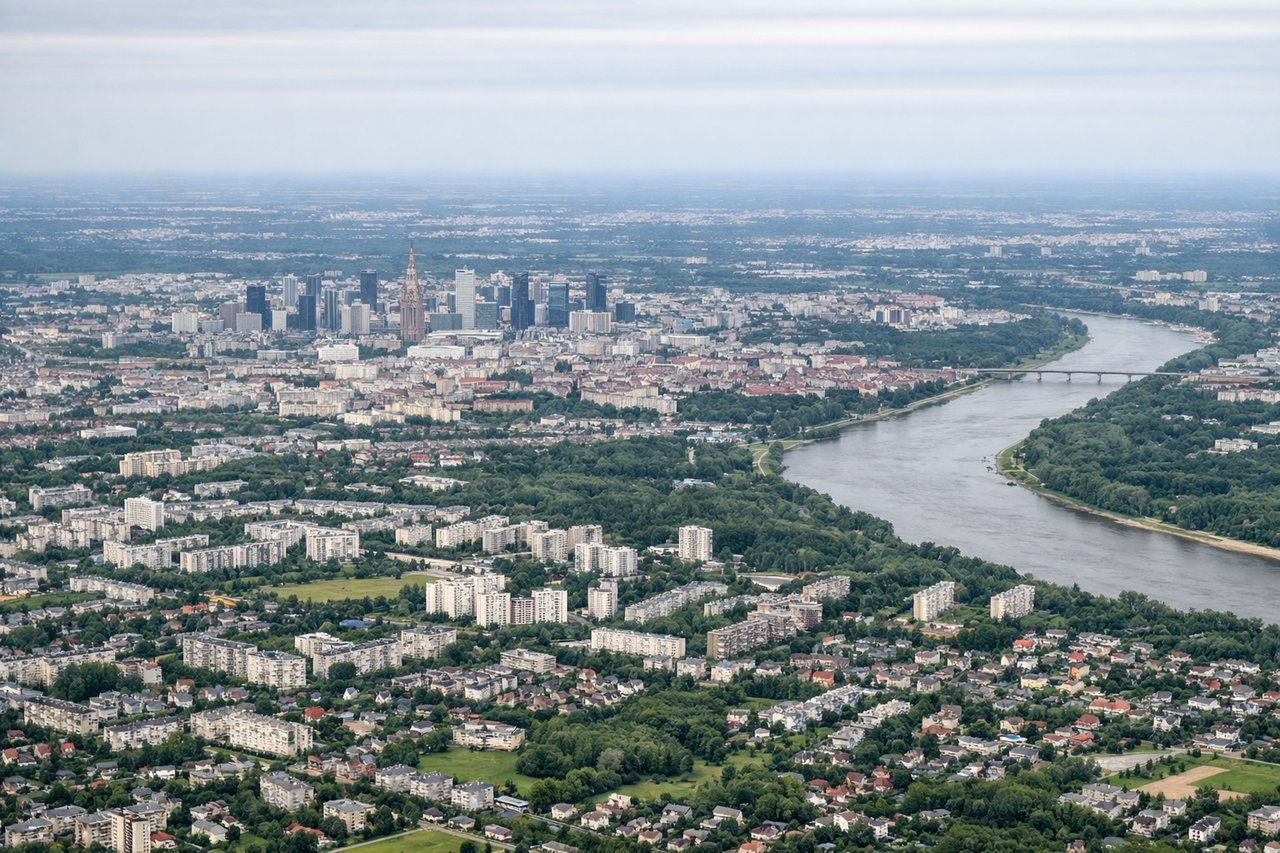
Takeoff from WAW
LEFTWarsaw Chopin typically departs westbound on runway 29, so the left (south) side gives you a view back over central Warsaw as you climb out. You can see the Vistula River snaking through the city and the Old Town area to the northeast before the aircraft turns west.
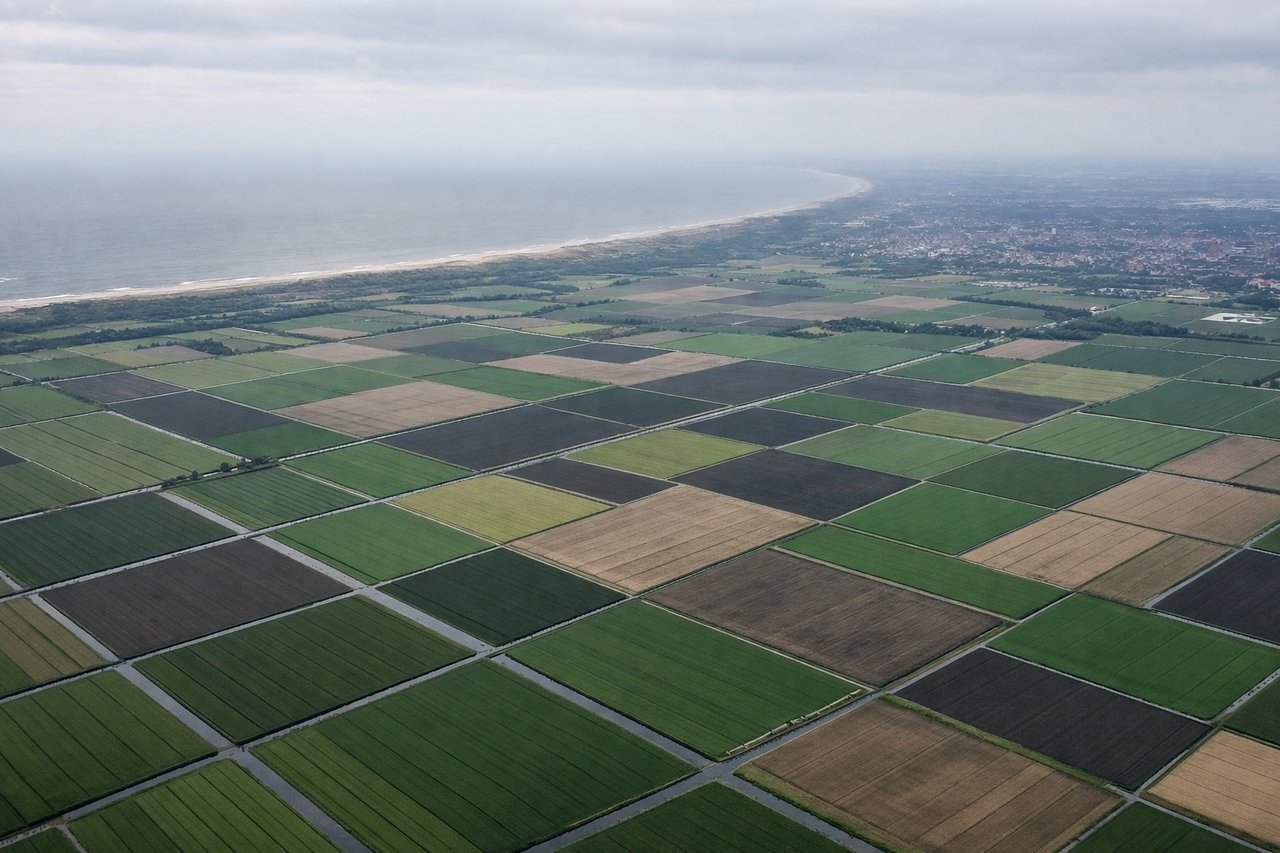
Landing at AMS
RIGHTSchiphol typically lands on runways from the east or northeast, meaning the right (north) side gives views over the IJ lake system, the Amsterdam canal ring, and the approach over the flat polder landscape. The city center and its distinctive canal pattern are clearly visible on the right during descent.
Landmarks on this routeAll landmarks →
Will your flight be in sunlight?
See exactly which side of the plane gets sun and shade at your departure time.
About This Route
Which side of the plane should I sit on flying from Okecie (WAW) to Schiphol (AMS)?
Sit on the Left side of the plane for the best views on flights from Warsaw to Amsterdam. The left side wins overall because the Warsaw departure view over the Vistula and city center is more visually dramatic than the landing view, and during the cruise the left side faces slightly more southward, giving occasional views toward the Oder River valley and German lowland cities as you cross Poland and Germany. The Amsterdam arrival on the right is good but the left side holds its value longer through the flight.
What can I see during takeoff from Okecie in Warsaw?
During takeoff from Okecie (WAW), sit on the Left side for the best views. Warsaw Chopin typically departs westbound on runway 29, so the left (south) side gives you a view back over central Warsaw as you climb out. You can see the Vistula River snaking through the city and the Old Town area to the northeast before the aircraft turns west. Notable sights include: Vistula River through central Warsaw, Palace of Culture and Science tower visible in the city center, Warsaw Old Town district to the north, Łazienki Park green space to the south.
What can I see when landing at Schiphol in Amsterdam?
When landing at Schiphol (AMS), sit on the Right side for the best views. Schiphol typically lands on runways from the east or northeast, meaning the right (north) side gives views over the IJ lake system, the Amsterdam canal ring, and the approach over the flat polder landscape. The city center and its distinctive canal pattern are clearly visible on the right during descent. Notable sights include: Amsterdam canal ring from above, IJmeer lake to the northeast, Haarlemmer polder flat agricultural grid, Amsterdam city center rooftops and Centraal Station area.
How long is the flight from Warsaw to Amsterdam?
The flight from Okecie (WAW) to Schiphol (AMS) takes Approximately 2 hours 10 minutes.
What does the Warsaw to Amsterdam flight path pass over?
The route crosses the flat North European Plain the entire way — no mountains. Notable features include the Oder River crossing near the Polish-German border, the Berlin metropolitan area visible to the south around the midpoint, the Elbe River crossing in central Germany, and the flat heathland of the Netherlands as you descend. The terrain is uniformly low throughout with rivers and agricultural patchwork as the main visual interest.