The left side edges out the right by offering brief glimpses of Warsaw's skyline on departure and the Champagne vineyard country on arrival, while the right side stays flat and featureless for nearly the entire flight.
Flight Path
The route crosses the flat North European Plain through eastern Germany, passing near Berlin and Hannover with no significant mountains or coastline, before descending into the gently rolling Champagne region of northern France.
Great circle distance and headings ›
.jpg?width=600)
Phase by phase
Takeoff from WAW
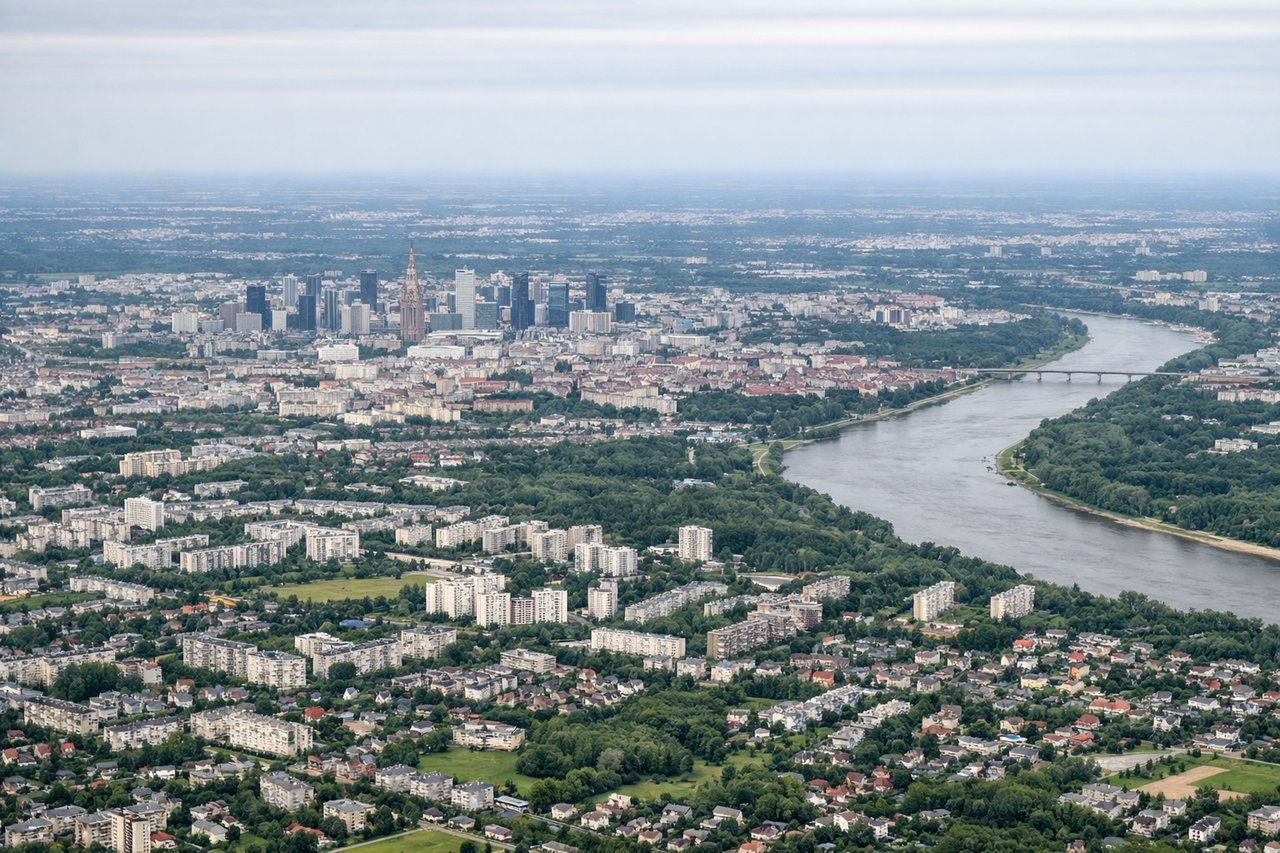
LEFTDeparting WAW on runway 29 or 11, the initial climb offers a brief look back over the Vistula river and Warsaw's skyline on the left side before the aircraft turns onto its westward heading. The right side shows mostly flat Mazovian farmland with no distinguishing features.
Landing at CDG
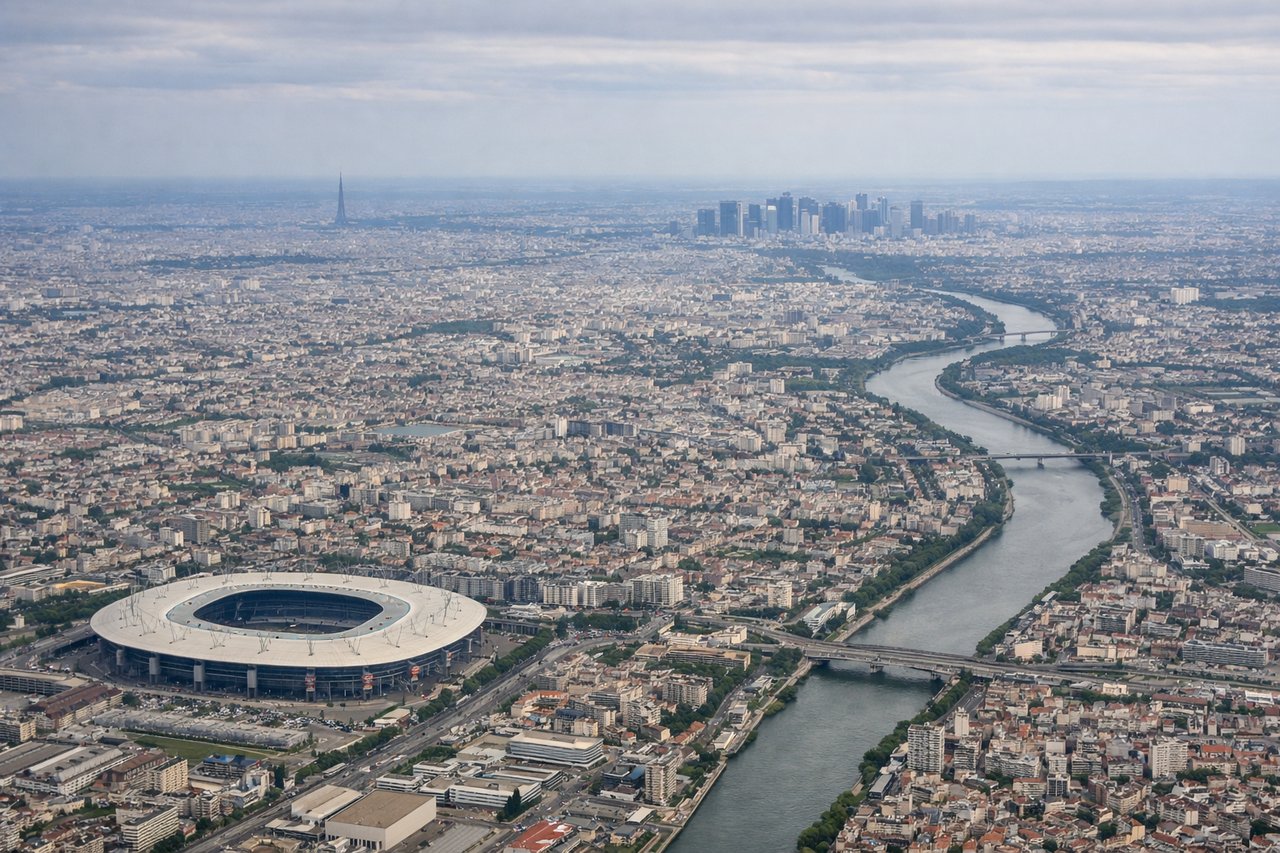
LEFTOn approach into CDG from the east, aircraft often track over the Champagne vineyards and the Marne valley before turning toward the northern runways, giving left-side passengers a view of rolling vine-covered hills. The right side mostly shows flat plains around Seine-et-Marne with little variation.
Landmarks on this routeAll landmarks →
Will your flight be in sunlight?
See exactly which side of the plane gets sun and shade at your departure time.
About This Route
Which side of the plane should I sit on flying from Okecie (WAW) to Charles De Gaulle (CDG)?
Sit on the Left side of the plane for the best views on flights from Warsaw to Paris. The left side edges out the right by offering brief glimpses of Warsaw's skyline on departure and the Champagne vineyard country on arrival, while the right side stays flat and featureless for nearly the entire flight.
What can I see during takeoff from Okecie in Warsaw?
During takeoff from Okecie (WAW), sit on the Left side for the best views. Departing WAW on runway 29 or 11, the initial climb offers a brief look back over the Vistula river and Warsaw's skyline on the left side before the aircraft turns onto its westward heading. The right side shows mostly flat Mazovian farmland with no distinguishing features. Notable sights include: Vistula River, Warsaw skyline, Praga district rooftops.
What can I see when landing at Charles De Gaulle in Paris?
When landing at Charles De Gaulle (CDG), sit on the Left side for the best views. On approach into CDG from the east, aircraft often track over the Champagne vineyards and the Marne valley before turning toward the northern runways, giving left-side passengers a view of rolling vine-covered hills. The right side mostly shows flat plains around Seine-et-Marne with little variation. Notable sights include: Marne River valley, Champagne vineyard hills, outer Paris suburbs.
How long is the flight from Warsaw to Paris?
The flight from Okecie (WAW) to Charles De Gaulle (CDG) takes 2h10m.
What does the Warsaw to Paris flight path pass over?
The route crosses the flat North European Plain through eastern Germany, passing near Berlin and Hannover with no significant mountains or coastline, before descending into the gently rolling Champagne region of northern France.